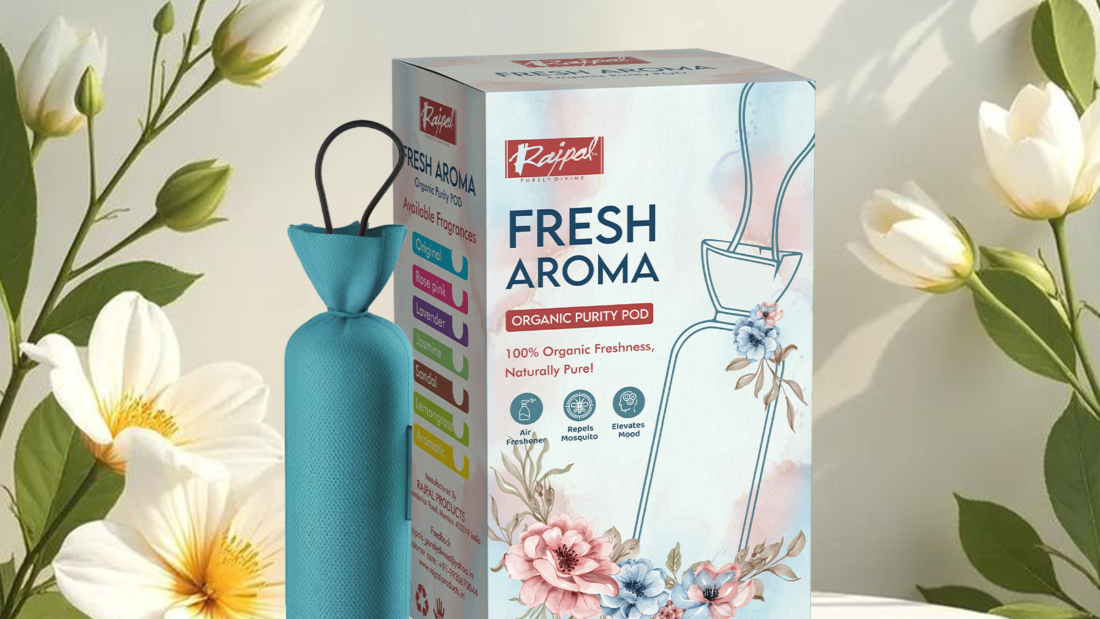
best packaging design by Creador Designs for premium product branding

Best Packaging Design: How Creador Designs Turned an Existing Product Into a Brand People Feel

Packaging is the first conversation a brand has with its audience. Before a customer touches the product, before they read a single word, before they understand what it does — they feel something. That feeling decides everything. At Creador Designs, we don’t treat packaging as decoration. We treat it as experience. And in this project, best packaging design became the tool that transformed a simple product into a premium brand presence — without starting from zero.

This brand didn’t come to us as an idea. It came as a reality. The product already existed. It already had meaning, function, and users. What it lacked was visual authority. It didn’t look like it deserved attention, even though it deserved trust. Our job was not to rebuild — our job was to reveal its true potential through best packaging design.
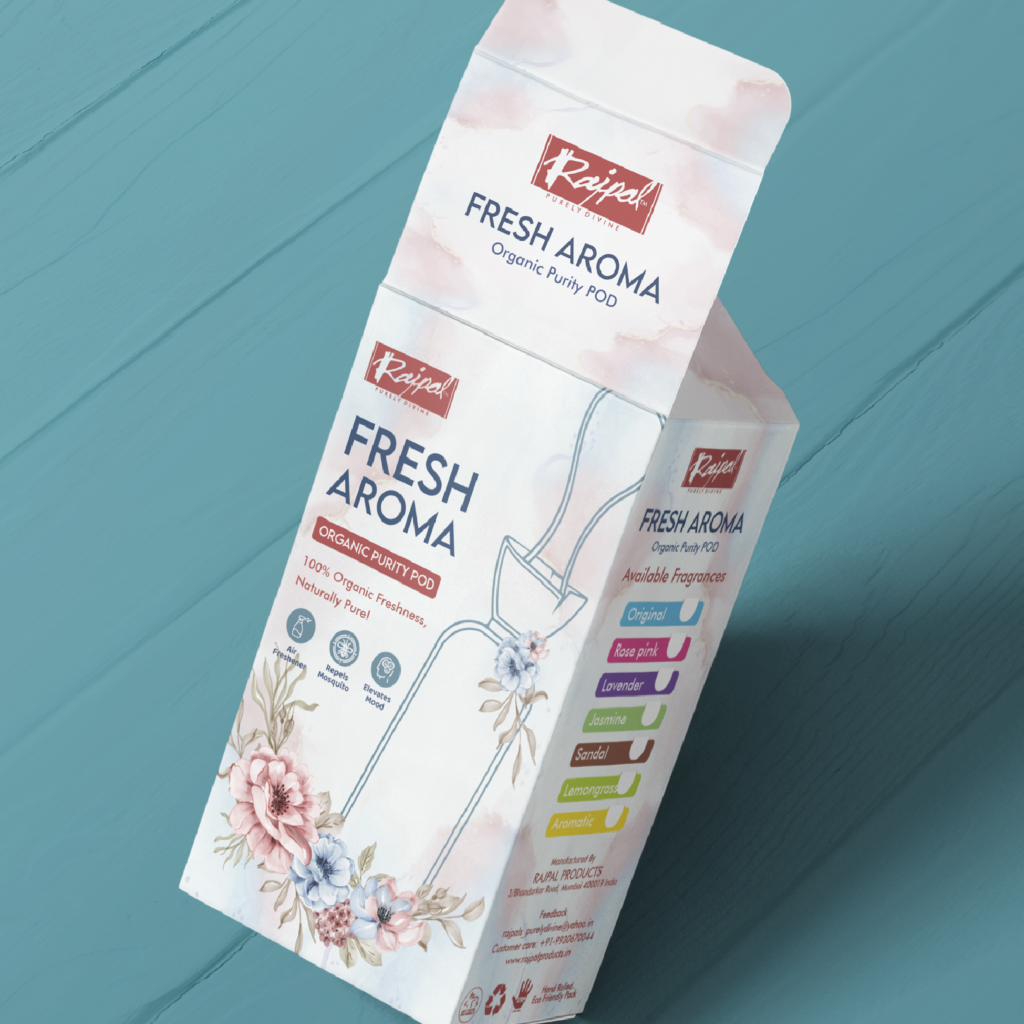
best packaging design by Creador Designs for premium product branding

Best Packaging Design Begins With Understanding Before Designing

Before we touched colors, fonts, or layouts, we faced our first challenge: understanding what should not be changed. Many brands think redesign means replacement. We don’t. With best packaging design, the first responsibility is respect.

We spent time with the product. We studied how people use it, where they place it in their homes, how it fits into daily rituals. We observed the emotional side of the product — the calm, the purity, the habit, the comfort. The product wasn’t meant to scream. It was meant to soothe. And that insight shaped everything.

The real difficulty we faced at this stage was clarity. The brand had a story, but it wasn’t visually organized. It was scattered. Our challenge was not creativity — it was alignment. We had to translate invisible values into visible design. That is where best packaging design becomes both art and psychology.


Best Packaging Design and the Challenge of Choosing the Right Colors

Color is not aesthetic. Color is emotional language. One of the biggest things we faced while creating this packaging was choosing a color palette that felt modern but not artificial, premium but not cold, calm but not boring.

We tested multiple directions. Dark felt too heavy. Bright felt too loud. Neutral felt too empty. The product’s nature demanded balance. So we worked with tones that feel organic and fresh, but still strong enough to hold brand identity.

With best packaging design, colors don’t decorate — they position. We chose colors that reflect trust, cleanliness, and lifestyle. Not just what looks good, but what feels right in a customer’s space. Because packaging doesn’t live on shelves alone. It lives in people’s homes.


Best Packaging Design Is Shaped by the Problems You Solve

Every design project looks smooth from the outside. Inside, it’s full of decisions, doubts, revisions, and breakthroughs. One of the challenges we faced was visual hierarchy — how to show everything without crowding anything.

The brand had:
• A logo
• A product name
• Usage information
• Emotional messaging

But best packaging design means the eye should never feel confused. So we had to carefully balance what appears first, what appears second, and what quietly supports the rest. We refined spacing again and again. We removed more than we added. Because powerful design often comes from restraint.

We didn’t aim to make the packaging “busy.” We aimed to make it confident. And confidence is silent.


Best Packaging Design and Typography Decisions

Typography is the voice of the brand. And choosing the wrong voice can break the entire message. We faced a key question: should this brand speak in a modern tone, a traditional tone, or a lifestyle tone?

The answer was: all three — but in harmony.

We selected typography that feels clean and readable but also soft and human. With best packaging design, fonts don’t just show words. They show personality. Sharp fonts feel aggressive. Rounded fonts feel friendly. We balanced structure with warmth so the brand feels premium without feeling distant.

Every letter was chosen to support the product’s emotional purpose.
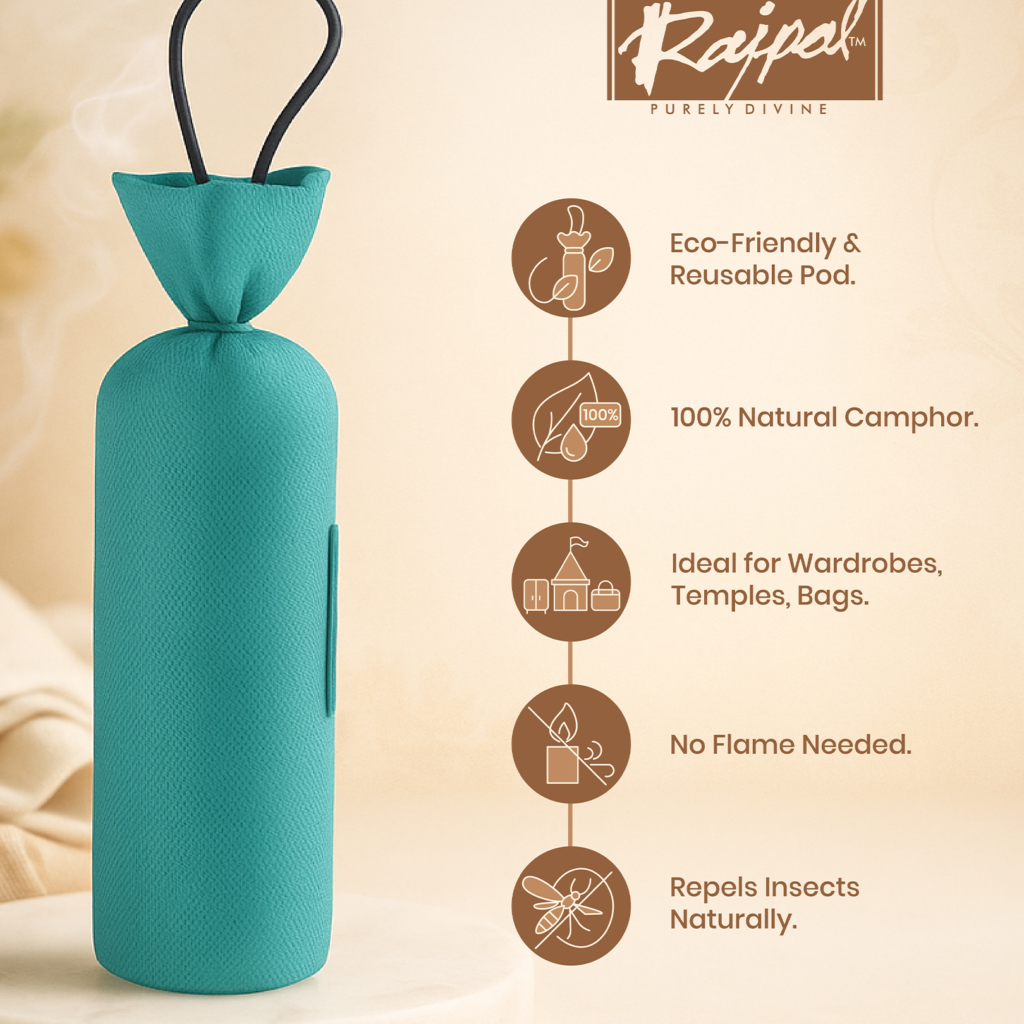
best packaging design final packaging layout by Creador Designs

Best Packaging Design Requires Designing for Real Life, Not Just Mockups

Another challenge we faced was designing something that works everywhere. On a shelf. On Instagram. On a website. In a hand. On a table. Packaging today must perform across worlds.

So we tested the design in:
• Physical mockups
• Social media visuals
• Digital ads
• Website banners

Because best packaging design is not complete if it only looks good in one place. It must adapt without losing identity. That’s why we designed a visual system, not just a box.


Best Packaging Design and the Role of Texture, Space, and Composition

What you don’t put on packaging is just as important as what you do. We intentionally left space. We let the design breathe. We allowed the product to be the hero.

With best packaging design, empty space is not emptiness — it’s elegance.

We structured the composition so the product feels centered, respected, and framed. Nothing feels accidental. Every margin, every alignment, every proportion was tested and refined.


Best Packaging Design Is Emotional Engineering

At the end of the day, people don’t buy packaging. They buy feelings. This packaging doesn’t say “buy me.” It says “you belong with me.”

That’s what we aimed for with best packaging design — not attention, but attachment.

When someone sees this packaging now, they don’t think:
“What is this?”

They think:
“This feels right.”
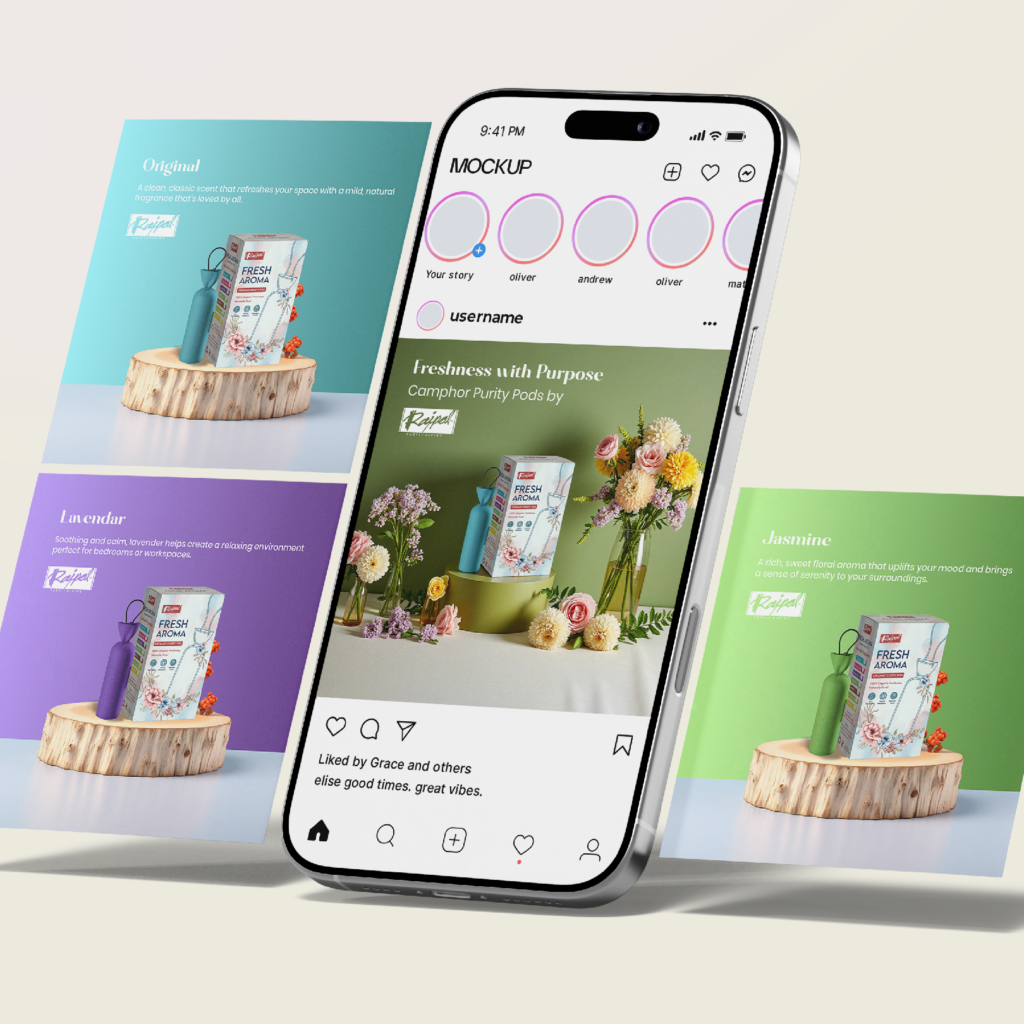
best packaging design mockup created by Creador Designs agency

Best Packaging Design Is Not About Trends — It’s About Truth

Trends change every year. But truth doesn’t. We didn’t design this brand to look 2026. We designed it to feel timeless. That’s the difference.

With best packaging design, you don’t chase style. You build identity.


Best Packaging Design at Creador Designs Is About Elevation, Not Reinvention

This brand didn’t need a new soul. It needed a new mirror.

Creador Designs didn’t create this brand from scratch. We revealed what it was always meant to be. That’s the power of best packaging design — it doesn’t change who you are. It shows who you truly are.


Best Packaging Design Is Your Brand’s First Emotion

And emotion decides loyalty.

If your product is good but your packaging is weak, you lose before you begin. If your packaging is strong, your marketing works harder for you.

That’s why best packaging design is not an option anymore. It’s a necessity

Product Packaging Design collection for Popup’s Ice Pops and Milk Pops in multiple flavors.

Product Packaging Design Challenges and Solutions

Product packaging design today is more than protection it’s a storyteller, brand voice, and silent seller. While good packaging grabs instant attention, poor design can hide even the best products. This blog highlights key challenges in product packaging design, real-world solutions, and a case study on Popup’s Tangy Imli Ice Pops by Creador Designs.

Common Product Packaging Design Challenges and Solutions

Creating product packaging is about so much more than just choosing a font or color. Every choice from the materials used to the layout affects how consumers perceive the product and how efficiently a business operates. Here are some of the most common challenges:

  • Balancing cost with creativity – Premium packaging looks stunning but can be expensive. Smaller brands must maximize design without overspending
  • Standing out on shelves – Packaging must create a unique visual identity to grab attention amid similar products.
  • Durability vs. sustainability – Eco-friendly materials may compromise strength; designers need a balance between sturdiness and environmental impact.
  • Consumer psychology – Packaging should create an emotional connection through color, texture, and shape, signaling if a product is premium, natural, or trustworthy.
Product Packaging Design for Popup’s Very Berry Milk Pops with bold berry-inspired graphics.

Biggest Product Packaging Design Challenges and Solutions for New Products

Launching a new product is a whole different ball game compared to established brands, and it comes with its own set of challenges:

  • Zero brand recall – Since no one knows your brand yet, packaging becomes the first and most impactful way to make a statement.
  • Uncertainty in consumer response – New products often require several packaging mockups and A/B testing to figure out which design really clicks with the audience.
  • Legal requirements – Especially in the food and pharmaceutical industries, labels have to comply with strict regulations regarding ingredients, nutritional info, safety warnings, and expiration dates.

Case Example:
At Creador Designs, we faced an exciting challenge while designing the packaging for Popup’s Tangy Imli Ice Pops. Our task was to transform tamarind, a traditional earthy flavor, into something that would appeal to today’s youth. Our solution? We blended natural tones with playful graphics that evoked nostalgia while still feeling fresh and modern. This creative mix helped the product shine while respecting its cultural heritage.

Balancing Creativity and Function in Product Packaging

But let’s be real just having a stunning design isn’t enough. Packaging also needs to be practical for everyday use. The best packaging strikes a balance between creativity and functionality by focusing on:

  • Product protection – For perishable foods or delicate items, packaging must ensure that products stay safe during transport and handling.
  • User convenience – Designs that are easy to open, resealable pouches, or single-use packs can really boost consumer satisfaction.
  • Brand authenticity – Creative elements should always reflect the true essence of the brand.

For Popup’s ice pops, we used playful leaf illustrations to evoke a sense of freshness, while a transparent window showcased the real product inside. This approach demonstrated that great design not only attracts attention but also builds trust.

Product Packaging Design for Popup’s Tangy Imli Ice Pops featuring earthy tones and tamarind-inspired graphics.

The Role of Packaging Design in Consumer Buying Decisions

Research indicates that most purchase decisions are made within the first 7 seconds of spotting a product on the shelf. This means that packaging has just a fleeting moment to sway a buyer’s choice.

Here’s how design plays a role in buying behavior:

  • Color psychology – Bright colors can spark excitement and lead to impulse purchases, while earthy tones evoke feelings of naturalness and health.
  • Typography & branding – Clear, easy-to-read fonts and strong logos give buyers confidence in the product’s authenticity and quality.
  • Transparency – This can be both literal (like windows that showcase the product) and figurative (honest messaging from the brand), both of which foster trust.
  • Interactive design – Incorporating QR codes, brand stories, or nutritional highlights allows consumers to connect with the product on a deeper level beyond just what they see on the shelf.


Solution: Packaging designers should delve into the psychology of their target audience, utilizing visual cues that encourage purchases without overwhelming consumers.

Key Design Elements for Effective Packaging Design

A compelling packaging design seamlessly combines visual appeal with structural integrity. Key elements include:

  • Color palette – It should reflect the mood, flavor, or cultural context (for instance, a tangy tamarind flavor might blend earthy browns with vibrant greens).
  • Typography – It needs to be legible and in harmony with the brand’s personality. A premium product might opt for elegant fonts, while a playful product could benefit from quirky lettering.
  • Structure & shape – Unique shapes can grab attention, but usability and transport safety should always be a priority.
  • Branding consistency – Every design element, from colors to icons, should align with the brand’s overall identity.
  • Sustainability – Today’s consumers are increasingly looking for recyclable, biodegradable, or reusable packaging. Brands that overlook this trend risk alienating eco-conscious buyers.


Product Packaging Design for Popup’s Chocolate Milk Pops with rich cocoa-inspired visuals.

Case Study: Product Packaging Design Challenges and Solutions at Creador Designs

At Creador Designs, we’ve tackled a variety of products, but Popup’s Tangy Imli Ice Pops truly stands out as a prime example of how we creatively address packaging challenges.

  • Challenge: Tamarind was often seen as an “old-school” flavor.
  • Solution: We opted for vibrant graphics, fresh typography, and eco-friendly materials, all while incorporating earthy tones to maintain a sense of authenticity.
  • Result: The design struck a chord with both nostalgic older buyers and adventurous younger consumers, transforming a traditional flavor into a trendy treat.

This illustrates how innovative packaging design can completely change the way a product is perceived.

Another inspiring example of Product Packaging Design can be seen in Black Bee Honey by OMSE, where bold branding and packaging storytelling transformed a simple honey jar into a premium identity.

Conclusion: Product Packaging Design Challenges and Solutions

Navigating packaging challenges requires a mix of strategy, psychology, and creativity. From budget constraints to sustainability issues, and the need to balance aesthetics with functionality, each project pushes a designer’s innovative spirit to the limit.

At Creador Designs, we believe packaging is the first conversation a brand has with its customers. A well-thought-out design not only protects the product but also persuades, excites, and leaves a memorable impression.

Future Trends to Watch:

  • Growing demand for eco-friendly, recyclable packaging.
  • Rise of minimalist designs featuring clean typography.
  • Increasing popularity of interactive packaging with QR codes and AR features.
  • Focus on cultural storytelling to engage niche audiences.

Strong packaging does more than just wrap a product; it shapes consumer perception and boosts sales. Whether it’s a global brand or a startup launching its first product, tackling Product Packaging Design Challenges and Solutions is essential for brand success.

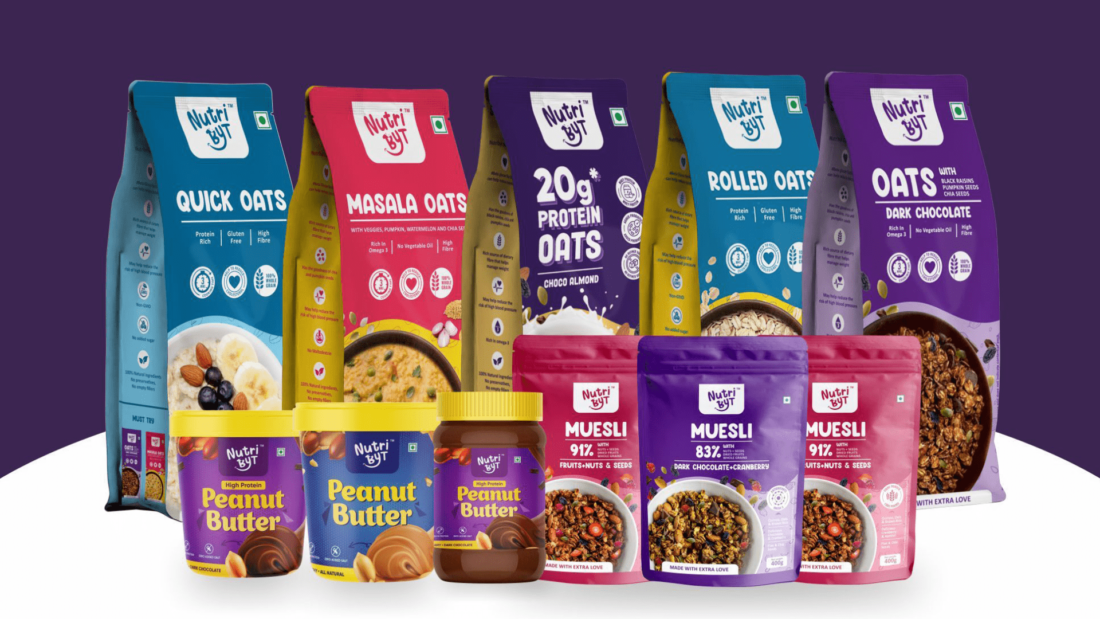
Oats, Muesli, Peanut Butter Packaging Design Nutri Byt 4

Unlock the Secret of Packaging Design: Enhance Brand Today

What is Packaging Design?

Packaging design is more than just wrapping your product in a box or bag; it’s a crucial element of your brand’s identity. The way a product is packaged can significantly impact consumer perception, purchasing decisions, and overall brand loyalty. But what exactly is packaging design, and why is it so important?


Understanding Packaging Design

Packaging design is the process of creating the exterior of a product. This includes choices in material, form, color, typography, and imagery that make a product suitable for the market. The design needs to reflect the product inside, be functional, and appeal to the target audience. It’s the first thing a consumer sees, so it must capture their attention and convey the brand message effectively.


Why is Packaging Design Important?

  1. First Impressions Matter: The packaging is often the first interaction a customer has with your product. A well-designed package can attract attention, create a memorable experience, and set the expectation for the product inside.
  2. Brand Identity and Recognition: Packaging is a vital part of your brand’s identity. It’s how consumers recognize your products among the competition. Consistent packaging design reinforces your brand’s image and helps build customer loyalty.
  3. Influences Buying Decisions: Good packaging design can influence buying decisions. It can communicate the quality and value of the product, appeal to emotions, and ultimately lead to a purchase.
  4. Communicates Essential Information: Packaging is also functional; it needs to communicate important information such as the product name, description, usage instructions, and ingredients. It should be easy to read and understand.
  5. Sustainability Matters: In today’s eco-conscious world, sustainable packaging is becoming increasingly important. Consumers are more likely to choose products with eco-friendly packaging, which can enhance your brand’s image.

Elements of Effective Packaging Design

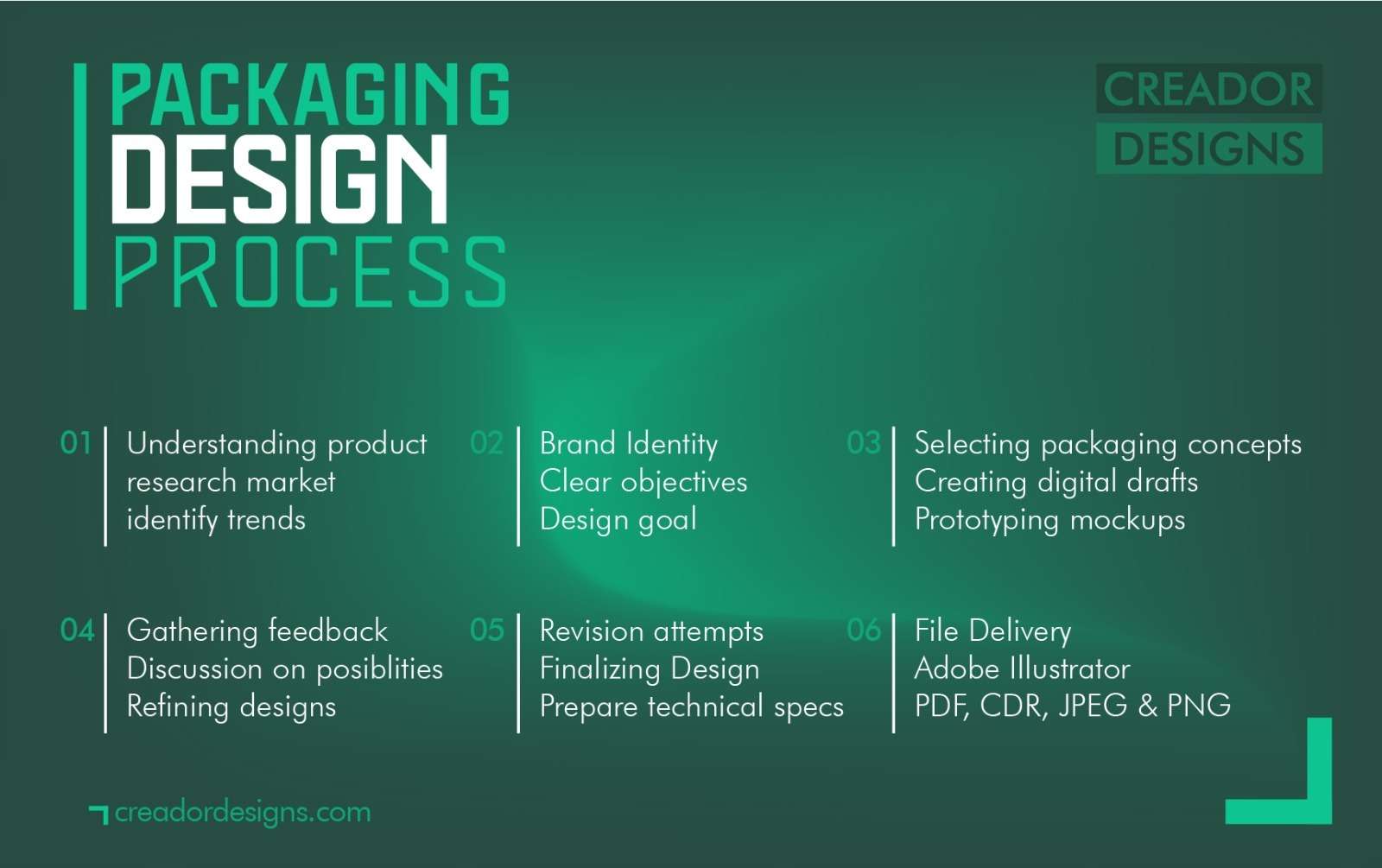
process

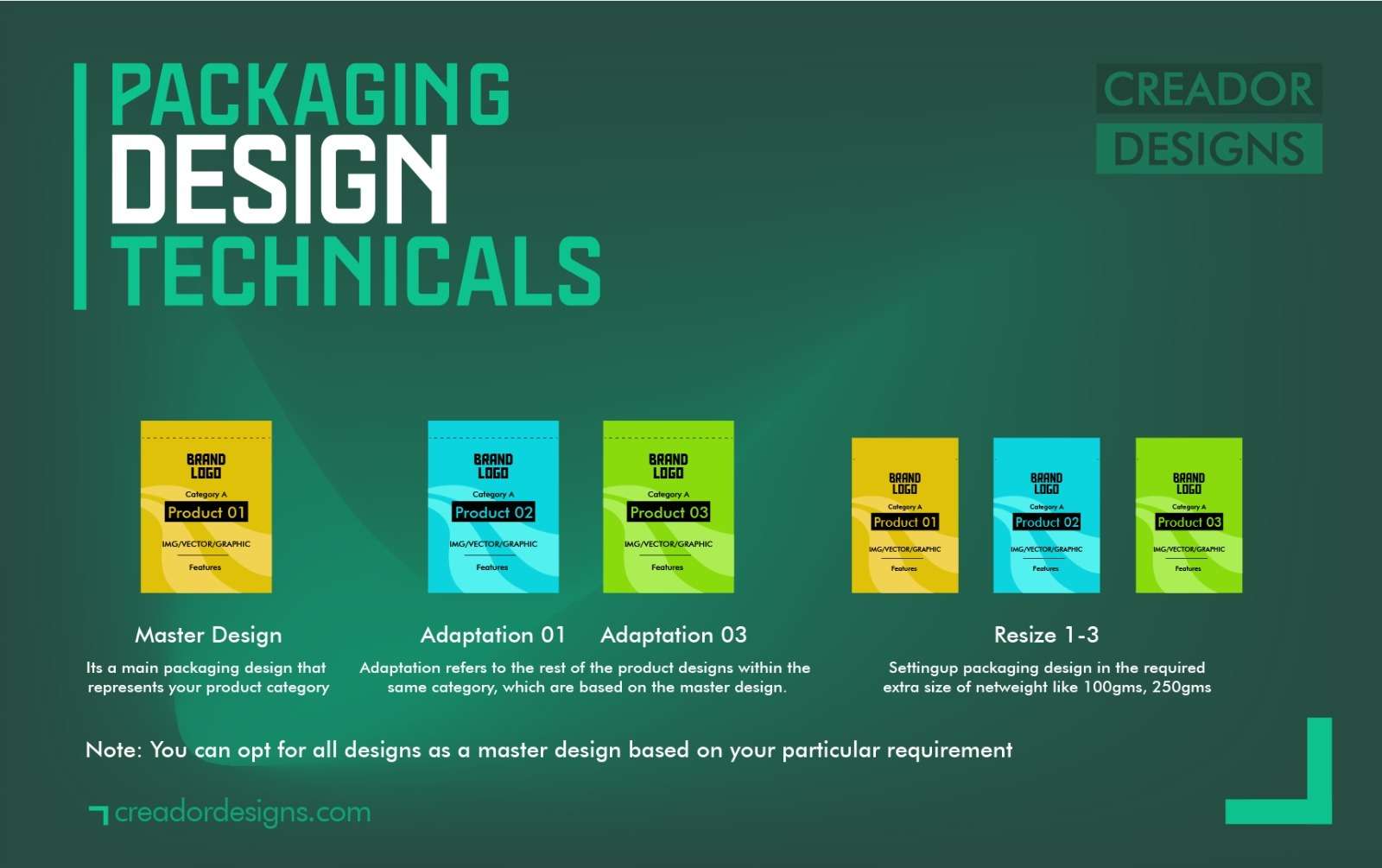
technicals

  1. Material Choice: The material used should be appropriate for the product, durable, and, if possible, eco-friendly.
  2. Visual Appeal: The design should be visually appealing, using colors, typography, and images that align with your brand.
  3. Functionality: Packaging should be functional, protecting the product during transport and making it easy to use for the consumer.
  4. Brand Consistency: Ensure that your packaging design is consistent with your brand’s overall aesthetic and message.
  5. Innovation: Stand out from the competition by incorporating innovative design elements that surprise and delight your customers.

Conclusion

Packaging design is a powerful tool in the branding arsenal. It’s not just about making a product look good; it’s about creating an experience that resonates with consumers, communicates the brand’s values, and drives purchasing decisions. Investing in good packaging design is investing in the success of your brand.