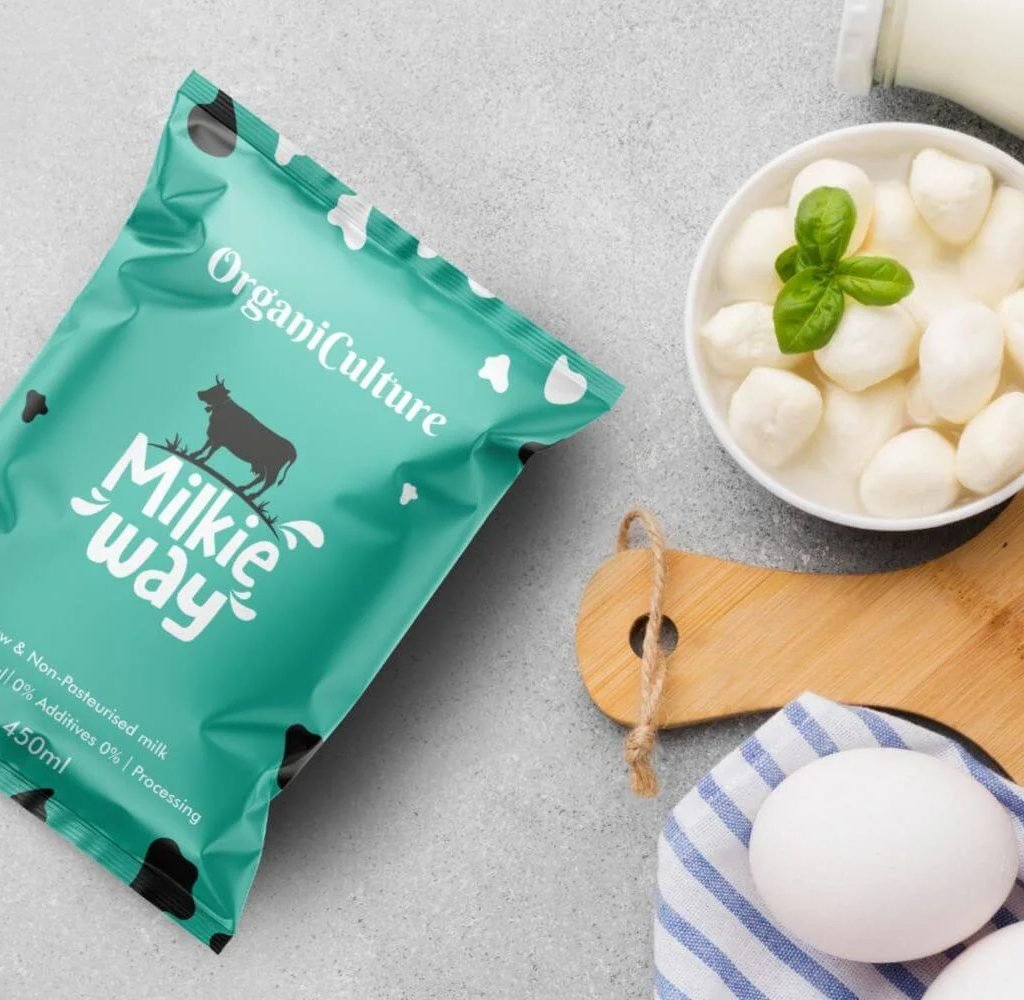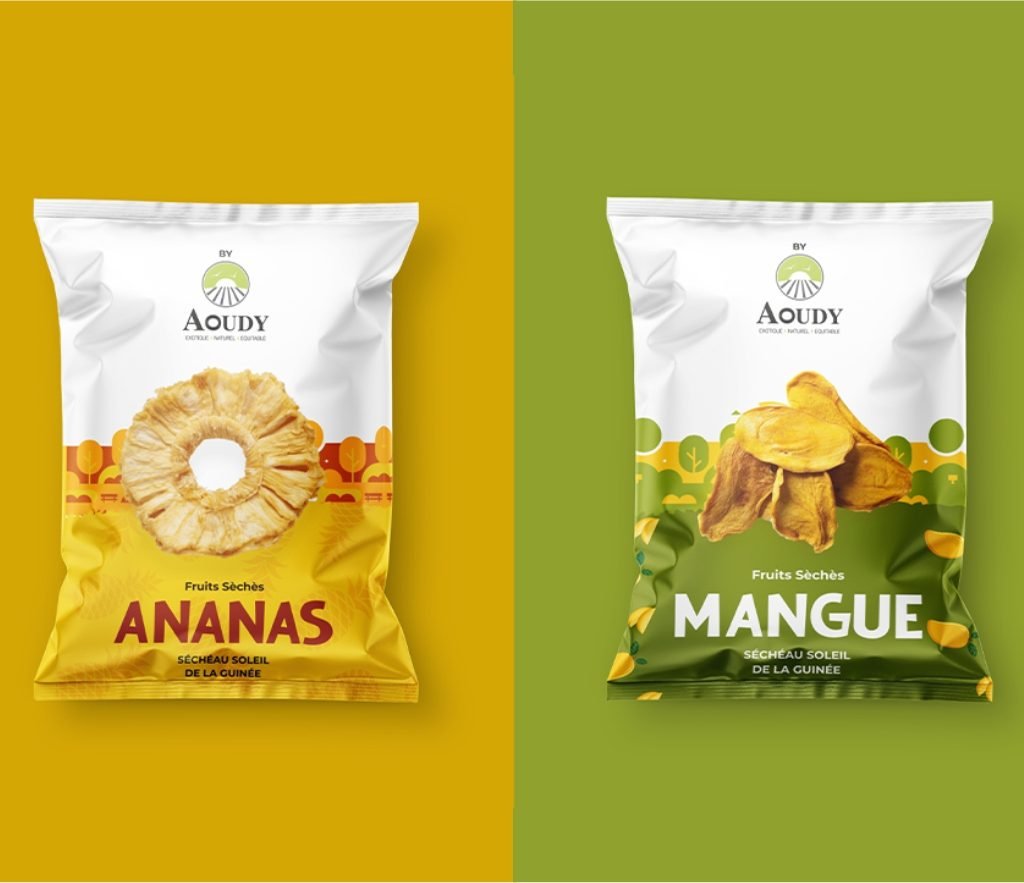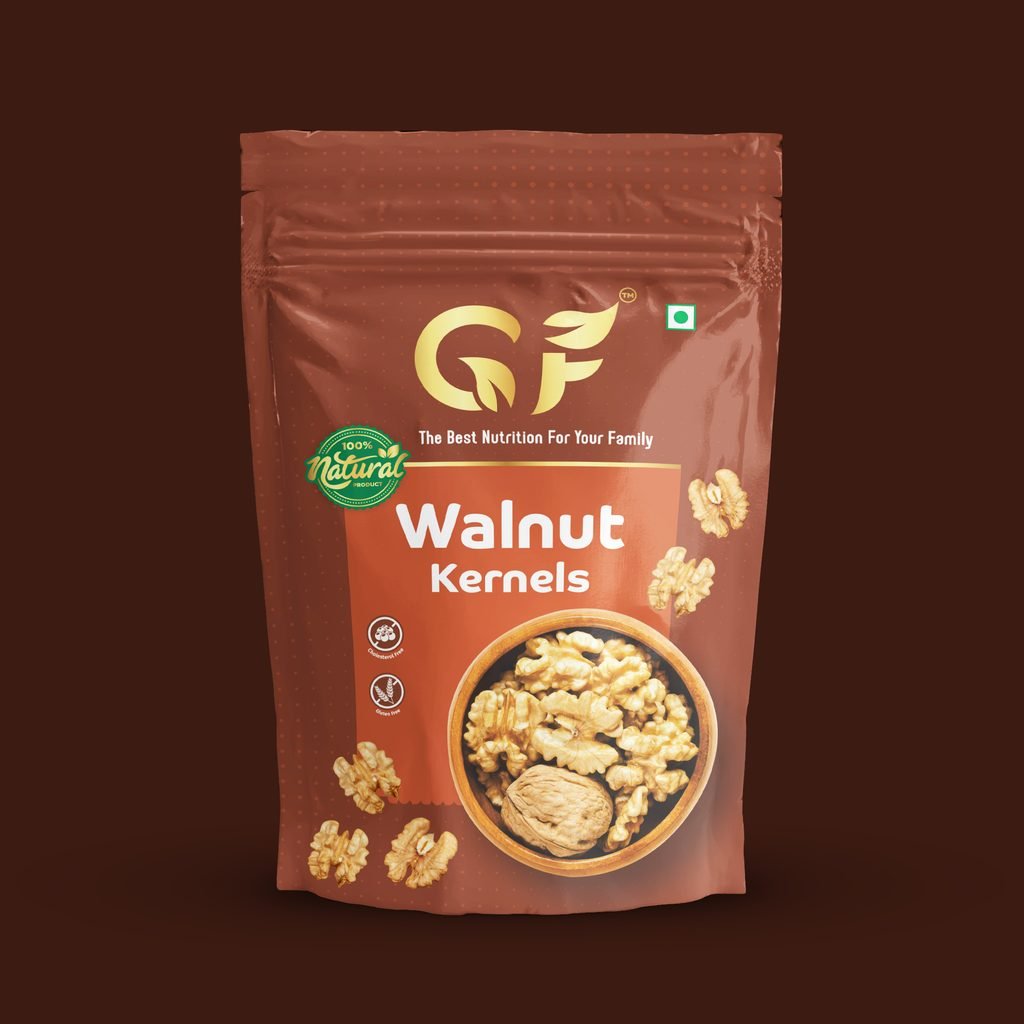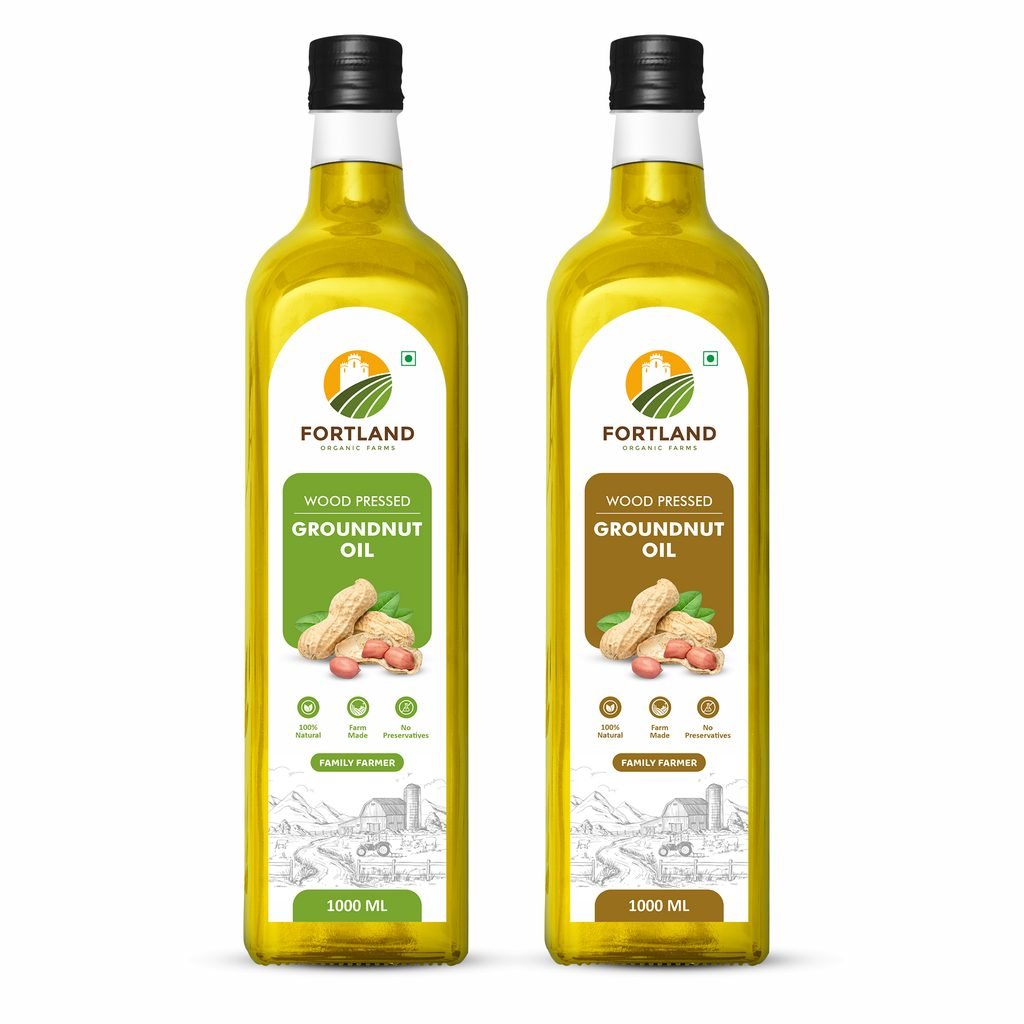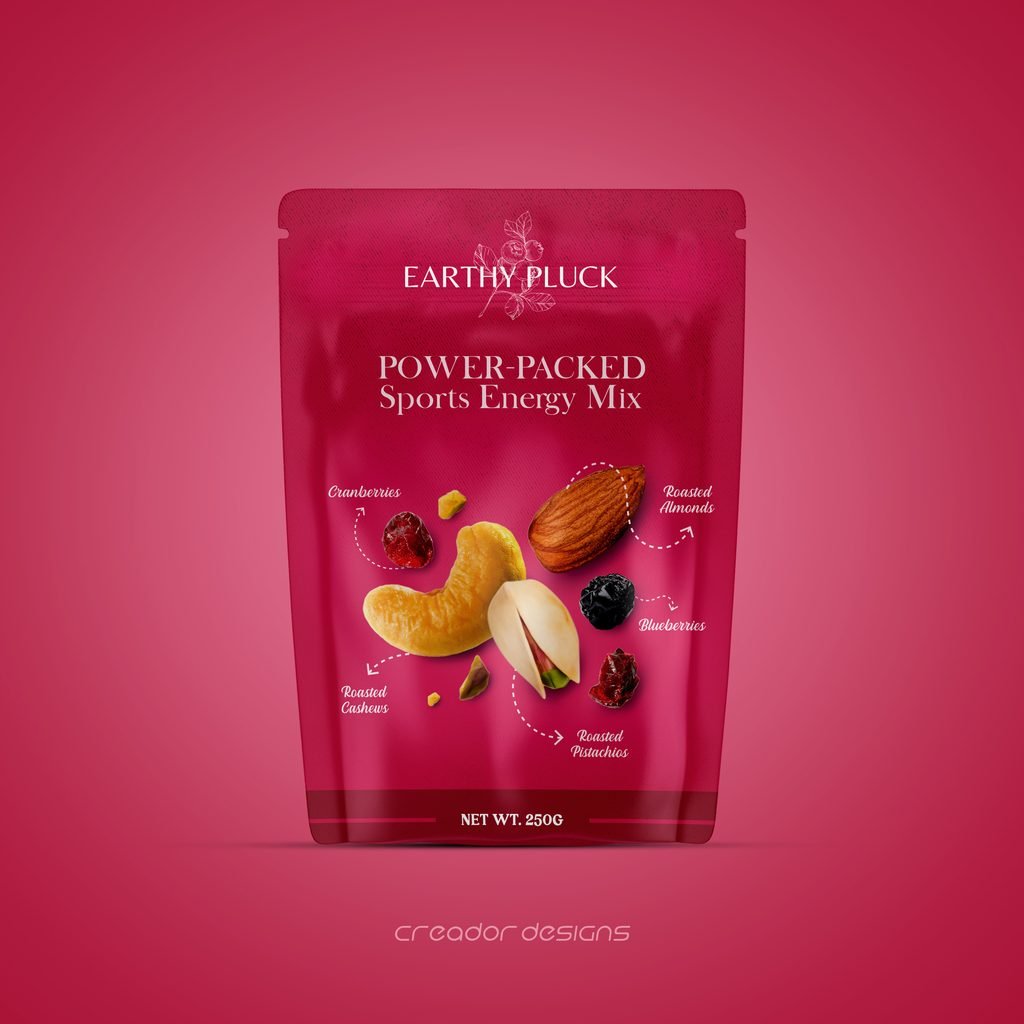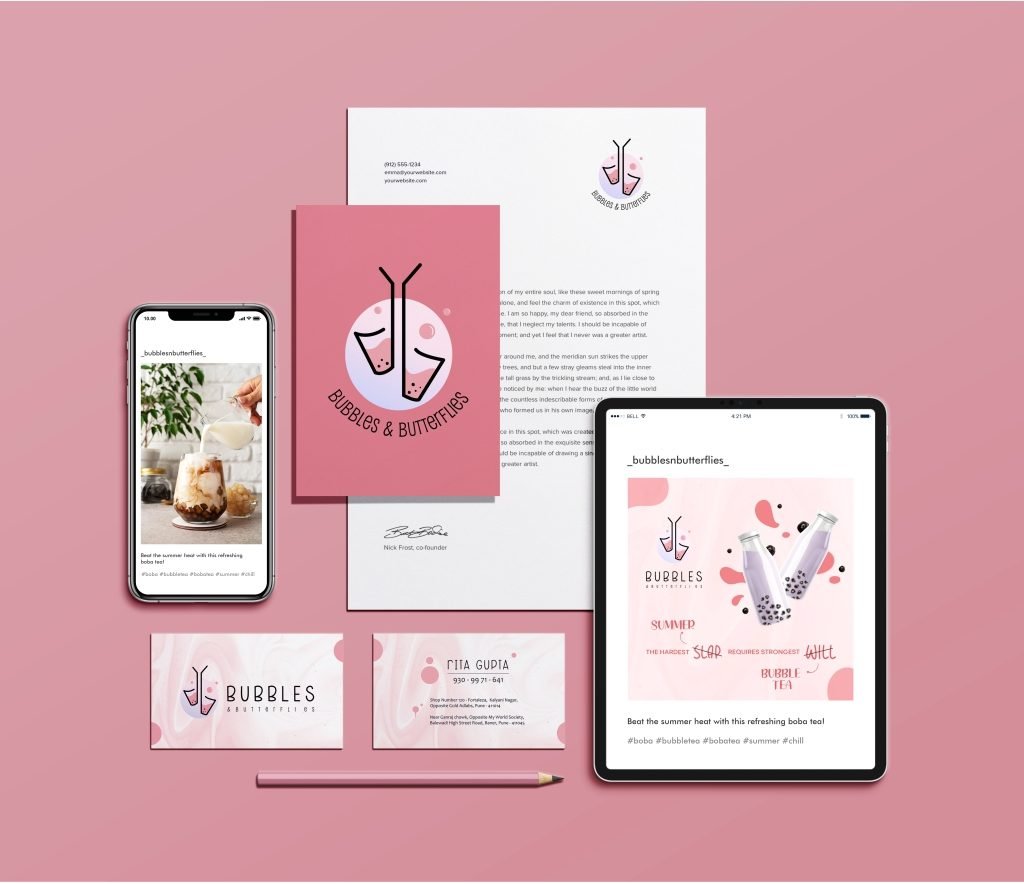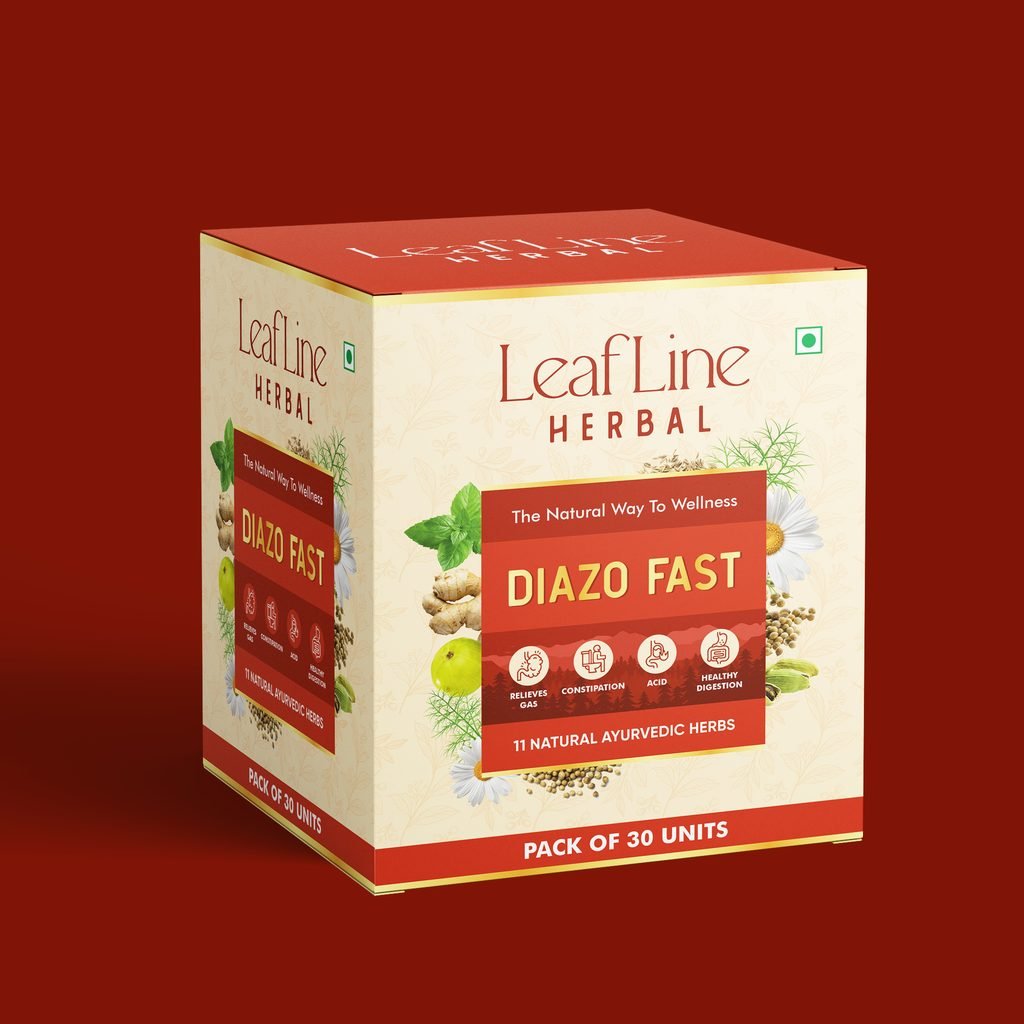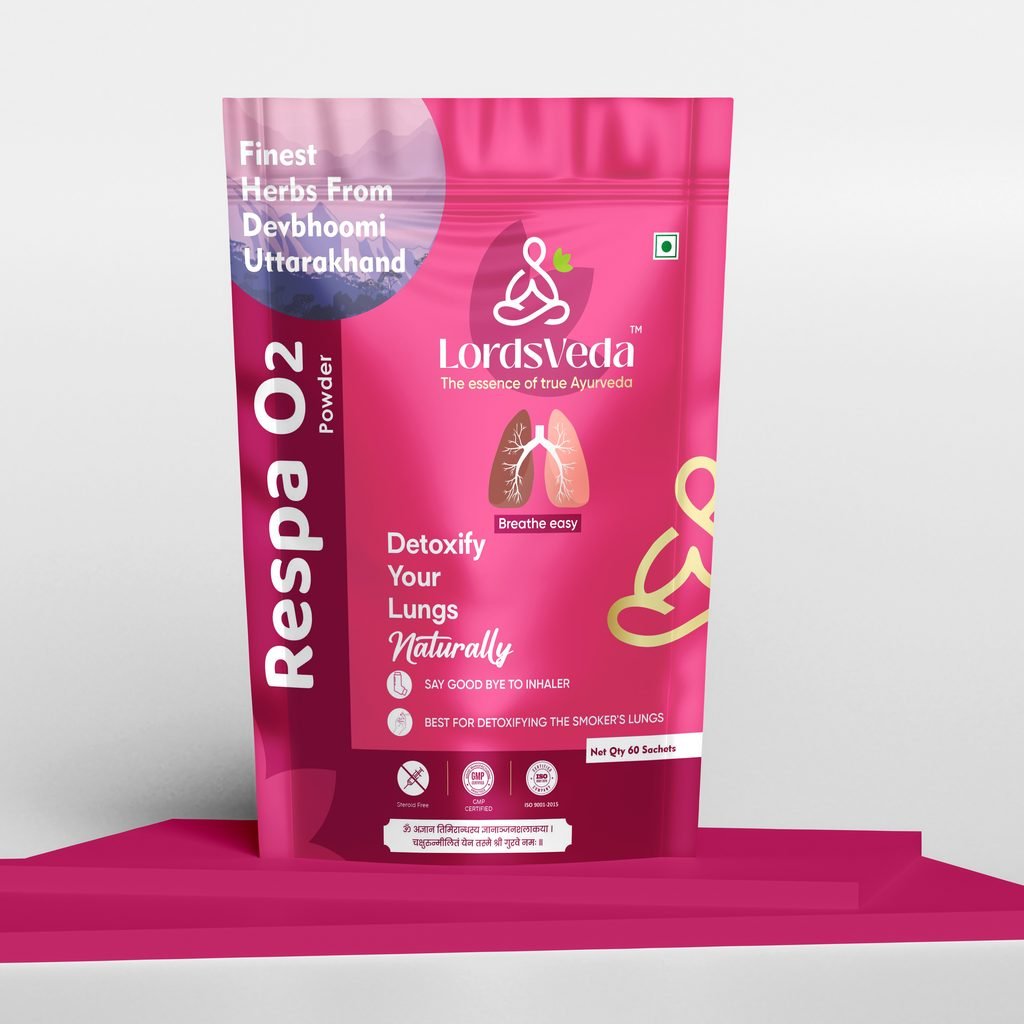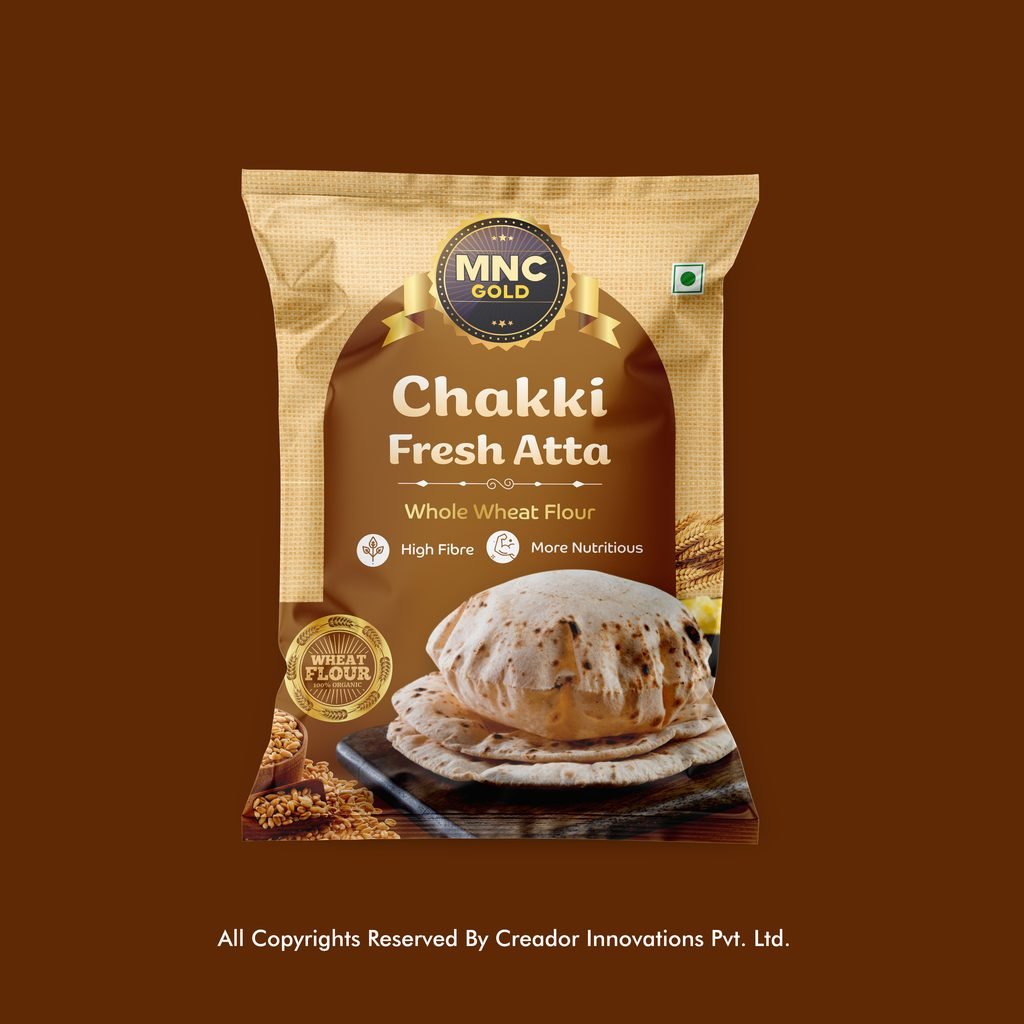
Agricultural Product Packaging Design in Pune helps agriculture businesses create professional, informative, and brand-focused packaging for products such as seeds, fertilizers, soil conditioners, pesticides, plant nutrients, and other agricultural supplies. Effective agricultural packaging design combines brand identity, product information, typography, colour systems, product-specific visuals, and production-ready artwork to help businesses present their products clearly and consistently.
For growing agricultural businesses, packaging is more than a container or bag. It is an important branding tool that helps farmers, distributors, retailers, and other customers identify the product and understand its intended use.
Key Takeaways
- Professional agricultural packaging helps establish a consistent brand identity.
- Clear product names and readable information are essential for agricultural products.
- Packaging should reflect the product category and intended audience.
- Consistent design helps businesses manage multiple products and pack sizes.
- Packaging should account for product protection, storage, transportation, and handling.
- Labels and packaging must accommodate applicable regulatory information.
- A professional packaging design partner can help agricultural businesses build a recognisable identity as their product range grows.
Types of Agricultural Product Packaging
Different agricultural products require different packaging formats, information layouts, and visual approaches. The design should reflect the product’s purpose, storage requirements, target customers, and distribution channels.
| Product Category | Packaging Design Focus |
|---|---|
| Seeds | Crop imagery, variety identification, clear product information |
| Fertilizers | Product name, nutrient composition, pack size, readable information |
| Pesticides and Agrochemicals | Clear safety information, usage directions, required declarations |
| Plant Nutrients | Product benefits, application information, product differentiation |
| Organic Farming Inputs | Brand identity, product details, appropriate natural visual cues |
| Animal Feed | Product identification, composition details, pack size |
| Grains and Pulses | Product quality presentation, quantity, storage information |
| Agricultural Equipment and Supplies | Product identification, specifications, and brand consistency |
The packaging format may include printed bags, laminated pouches, bottles, containers, cartons, or labels, depending on the product and its requirements.
Key Elements of Effective Agricultural Packaging Design
1. Strong Brand Identity
A recognisable logo, consistent colours, and clear typography help agricultural businesses establish a distinctive identity across their product range.
This is especially useful for manufacturers selling through distributors, agricultural retailers, dealers, and regional markets.
2. Clear Product Information
Agricultural packaging often needs to communicate technical information. The layout should make essential details easy to locate and read.
Depending on the product, these may include:
- Product name and category
- Composition or nutrient details
- Net quantity
- Directions for use
- Storage instructions
- Batch and manufacturing information
- Safety warnings and applicable declarations
3. Appropriate Colours and Visuals
Colours, illustrations, and crop imagery can help customers distinguish product categories and varieties. However, visual elements should not create confusion about the product’s actual use or composition.
4. Readable Typography
Product names and important information should remain legible on the actual pack size. Avoid overcrowding the design with unnecessary graphics or decorative text.
5. Consistent Packaging Across Products
Agricultural businesses with multiple products can use a shared design system while differentiating each product through colours, labels, product names, or category-specific graphics.
This helps create a consistent brand identity as the business expands.
Why Packaging Design Matters for Growing Agricultural Businesses
Growing agricultural businesses need to communicate effectively with farmers, dealers, distributors, and retailers.
Professional packaging can support this process in several ways.
Better product identification: Customers can distinguish the brand and product category more easily.
Consistent brand presentation: Products look connected even when they belong to different categories.
Professional market presence: Organised packaging can help a growing business present its products consistently across distribution channels.
Easier product expansion: A reusable design system can simplify the introduction of new products, sizes, and variants.
Stronger marketing consistency: Packaging can align with brochures, product catalogues, websites, and digital promotional materials.
Packaging design alone cannot guarantee sales or product performance, but it can help businesses communicate their products more clearly.
Packaging Design for Seeds, Fertilizers and Agrochemicals
Seed Packaging Design
Seed packaging should help customers identify the crop, seed variety, and other relevant product details. Crop-specific imagery and a consistent colour system can help distinguish varieties.
The design should also accommodate the required information for the particular seed product.
Fertilizer Packaging Design
Fertilizer packaging often uses bags or pouches in different sizes. Clear product identification, composition information, net quantity, and appropriate brand visibility are important considerations.
The artwork should be designed around the intended bag dimensions and the manufacturer’s printing specifications.
Agrochemical Packaging Design
Packaging for pesticides and other agrochemicals requires particular attention to safety communication and applicable regulatory declarations.
The design should provide suitable space for hazard information, directions, precautions, and other required details. These elements must be reviewed against the applicable regulations before production.
Organic Farming Product Packaging
Products positioned for organic farming may benefit from clean layouts and suitable agricultural imagery. Any organic, environmental, or performance-related claims should be accurate and supported by the relevant evidence or certification.
How to Create a Consistent Agricultural Packaging Design System
A structured design system helps businesses maintain consistency across multiple products.
| Design Element | Recommended Approach |
|---|---|
| Logo | Maintain consistent placement and proportions |
| Typography | Use a defined set of readable typefaces |
| Colour Palette | Establish core brand colours and product-specific variations |
| Product Name | Give it clear visual priority |
| Product Information | Use an organised and readable layout |
| Product Imagery | Choose visuals relevant to the product |
| Pack Sizes | Adapt the design to each format without losing brand identity |
For example, a fertilizer company selling several nutrient products can retain its logo and typography while using distinct product names and colours to differentiate the range.
Agricultural Packaging Design for Retail and Distribution
Agricultural products may move through manufacturers, warehouses, distributors, dealers, and retail outlets before reaching the end user.
Packaging design should therefore consider the real conditions in which the product will be handled, stored, displayed, and transported.
Important considerations include:
- Packaging dimensions and pack weight
- Material and printing limitations
- Legibility at different sizes
- Moisture and handling requirements
- Storage and transportation conditions
- Label placement and product identification
- Consistency across different batches and variants
Material selection and physical protection should be confirmed with the packaging manufacturer. Graphic design supports product presentation, while packaging engineering determines whether the selected structure meets the product’s practical requirements.
The Agricultural Product Packaging Design Process
A professional project can follow these steps:
- Understand the business: Identify the product categories, target customers, brand positioning, and distribution channels.
- Review the market: Study competing products and identify opportunities for clear differentiation.
- Develop design concepts: Explore suitable colours, typography, imagery, and layouts.
- Create packaging artwork: Adapt the approved design to the actual pack dimensions and format.
- Review mockups: Check the design’s readability and appearance before production.
- Verify product information: Have the business and relevant compliance professionals confirm all required declarations.
- Prepare final artwork: Supply production files according to the packaging manufacturer’s specifications.
This process helps align the creative design with the practical needs of agricultural products.
What Can Agricultural Product Packaging Design Services Include?
| Service | Purpose |
|---|---|
| Agricultural Packaging Design | Creates packaging visuals for agricultural products |
| Seed Packaging Design | Develops product-specific seed pack artwork |
| Fertilizer Packaging Design | Organises branding and product information on fertilizer packs |
| Agrochemical Label Design | Arranges product and safety information clearly |
| Multi-Product Packaging System | Maintains consistency across product ranges |
| Packaging Redesign | Updates an existing packaging identity |
| Product Mockups | Helps visualise the proposed packaging |
| Print-Ready Artwork | Prepares approved artwork for production |
| Product Catalogue Design | Presents agricultural products in an organised format |
When Should an Agricultural Business Redesign Its Packaging?
Consider a packaging redesign when:
- The existing packaging looks outdated.
- Your brand is difficult to identify.
- Product information is crowded or difficult to read.
- Different products lack visual consistency.
- You are launching new agricultural products.
- Your business is entering new distribution channels.
- Your brand identity has changed.
- Your packaging needs to be adapted to a new format or pack size.
A redesign can involve a complete visual refresh or smaller improvements to typography, information hierarchy, product differentiation, and brand consistency.
How to Choose an Agricultural Packaging Design Partner in Pune
Before selecting a design company, evaluate the following:
Relevant portfolio: Review examples of packaging for agricultural, industrial, FMCG, or similar products.
Product understanding: The design partner should understand your product category and the information that needs to appear on the packaging.
Technical awareness: Artwork must fit the actual packaging dimensions and account for printing and production requirements.
Multi-product capability: Choose a team that can create a consistent system for multiple products and pack sizes.
Compliance coordination: Confirm that the design process allows the relevant professionals to review mandatory product information before printing.
Branding support: Packaging should align with the company’s logo, product catalogue, website, and marketing materials.
How Creador Designs Can Help
At Creador Designs, agricultural product packaging design can be developed around your business identity, product category, and target market.
Our design approach can support agricultural businesses with:
- Custom agricultural packaging concepts
- Seed and fertilizer packaging design
- Product label design
- Packaging for multiple product variants
- Packaging redesign
- Brand-aligned colours and typography
- Product mockups
- Print-ready artwork
- Product catalogues and marketing creatives
The objective is to help agricultural businesses present their products professionally, communicate important information clearly, and maintain a consistent identity as their product range grows.
For businesses looking for Agricultural Product Packaging Design in Pune, connecting packaging with branding, graphic design, catalogues, and digital marketing can create a unified presentation across customer touchpoints.
Frequently Asked Questions
What is Agricultural Product Packaging Design in Pune?
Agricultural Product Packaging Design in Pune involves creating packaging visuals and artwork for products such as seeds, fertilizers, plant nutrients, agrochemicals, grains, and other agricultural supplies. The work may include branding, layout design, product information, mockups, and print-ready files.
Which agricultural products need professional packaging design?
Seed packets, fertilizer bags, pesticide containers, plant nutrient packs, animal feed bags, grains, pulses, and other agricultural products can benefit from packaging that communicates the product clearly and maintains brand consistency.
Can packaging be designed for multiple agricultural products?
Yes. A shared design system can maintain the same core brand identity while using different colours, product names, and layouts to distinguish product categories and variants.
What information should agricultural packaging include?
Requirements vary by product category. Packaging may need product identification, composition, net quantity, usage instructions, safety information, batch details, manufacturer information, and other mandatory declarations. The applicable requirements should be confirmed before printing.
Can Creador Designs redesign existing agricultural packaging?
Yes. Packaging redesign can update the visual identity, improve readability, strengthen product differentiation, and create consistency across a business’s product range.
Does agricultural packaging design include printing?
Not necessarily. Design services may include print-ready artwork, while printing and manufacturing may be separate services. Confirm the project scope and production arrangements before proceeding.
Why is packaging consistency important for agricultural brands?
Consistent packaging helps customers recognise a brand across multiple products, supports organised product presentation, and provides a foundation for expanding the range without losing brand identity.
Final Thought
Agricultural Product Packaging Design in Pune for Growing Businesses helps agricultural companies build a consistent visual identity while presenting product information clearly and professionally.
Whether a business sells seeds, fertilizers, plant nutrients, agrochemicals, grains, or other agricultural supplies, packaging should reflect the product’s purpose, suit its practical requirements, and communicate the brand effectively.
A well-planned packaging system can support product recognition, simplify future product launches, and help businesses maintain a professional presence across distribution channels.