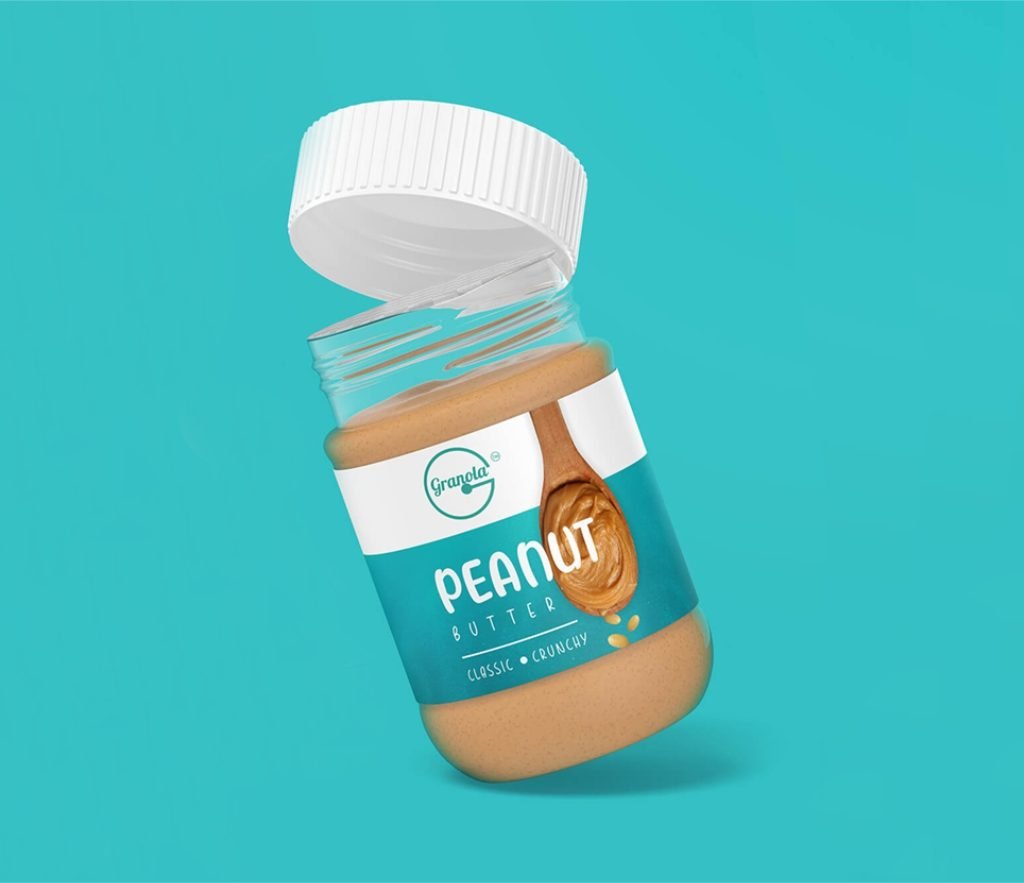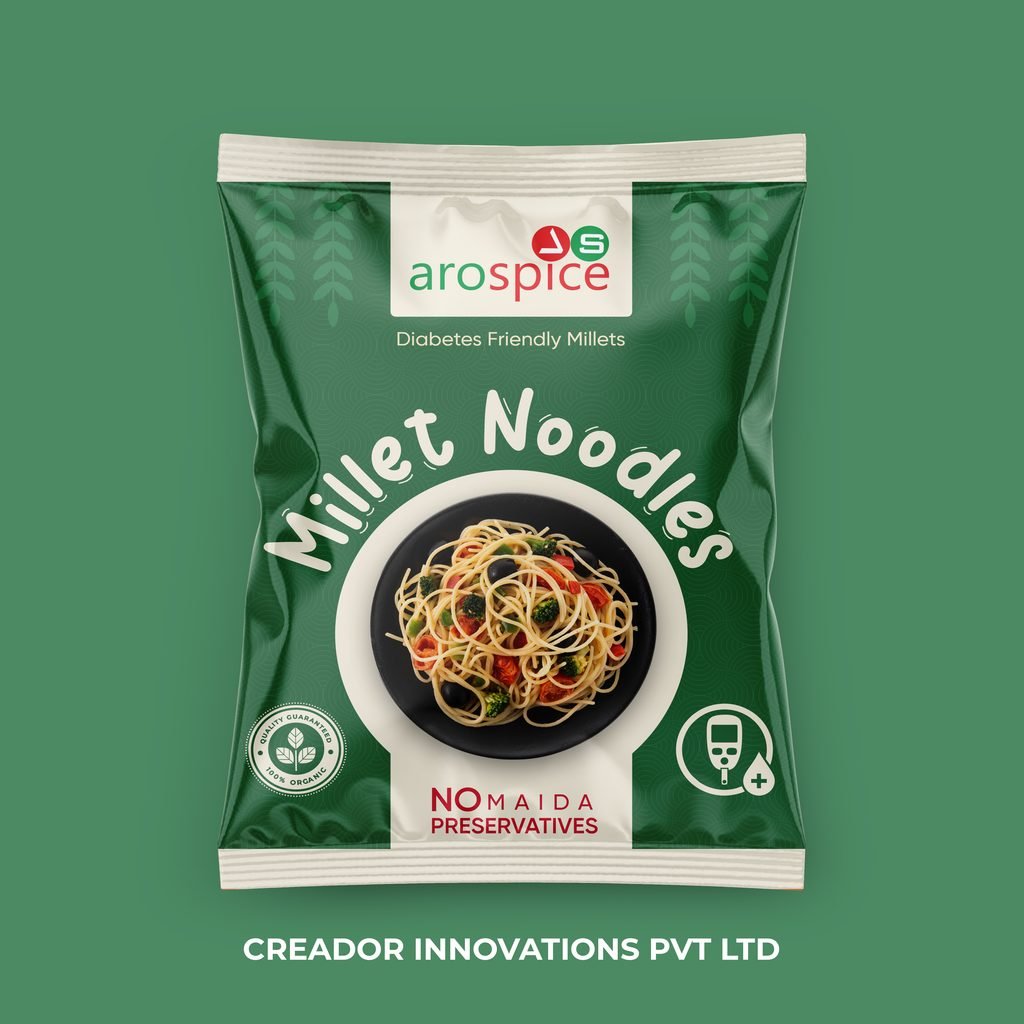
Food Packaging Design Services in Pune for Attractive Product Branding

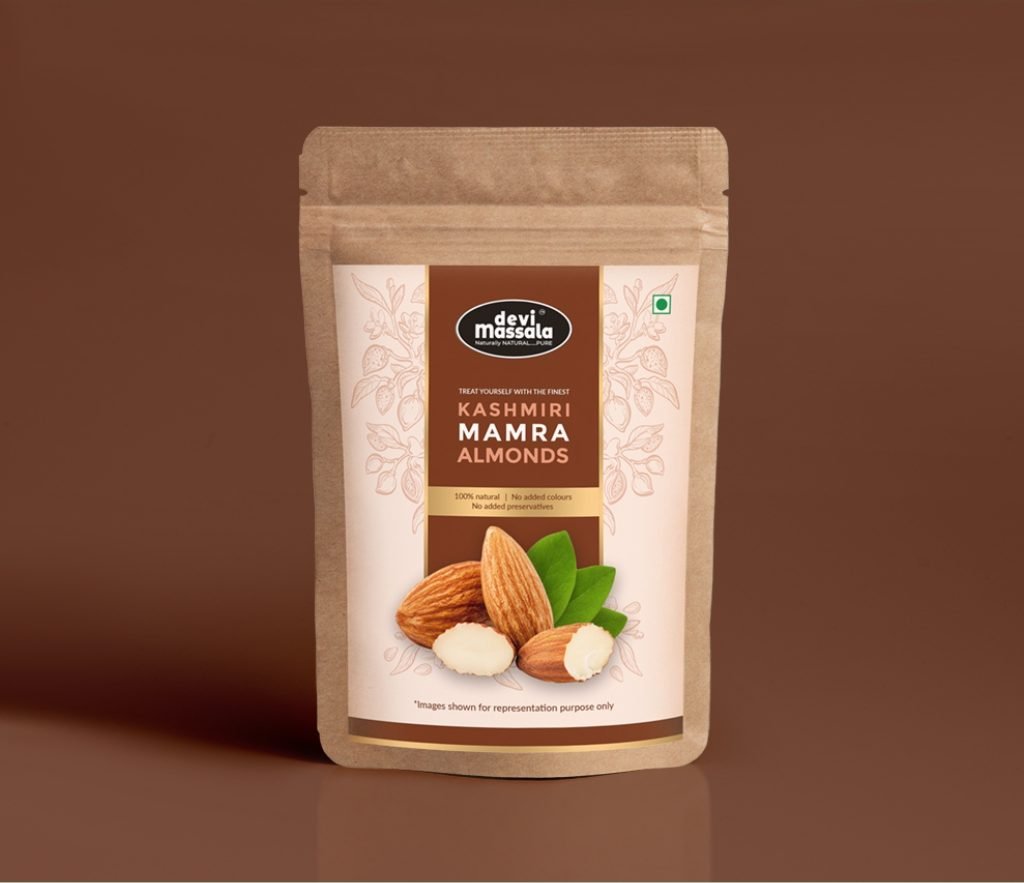
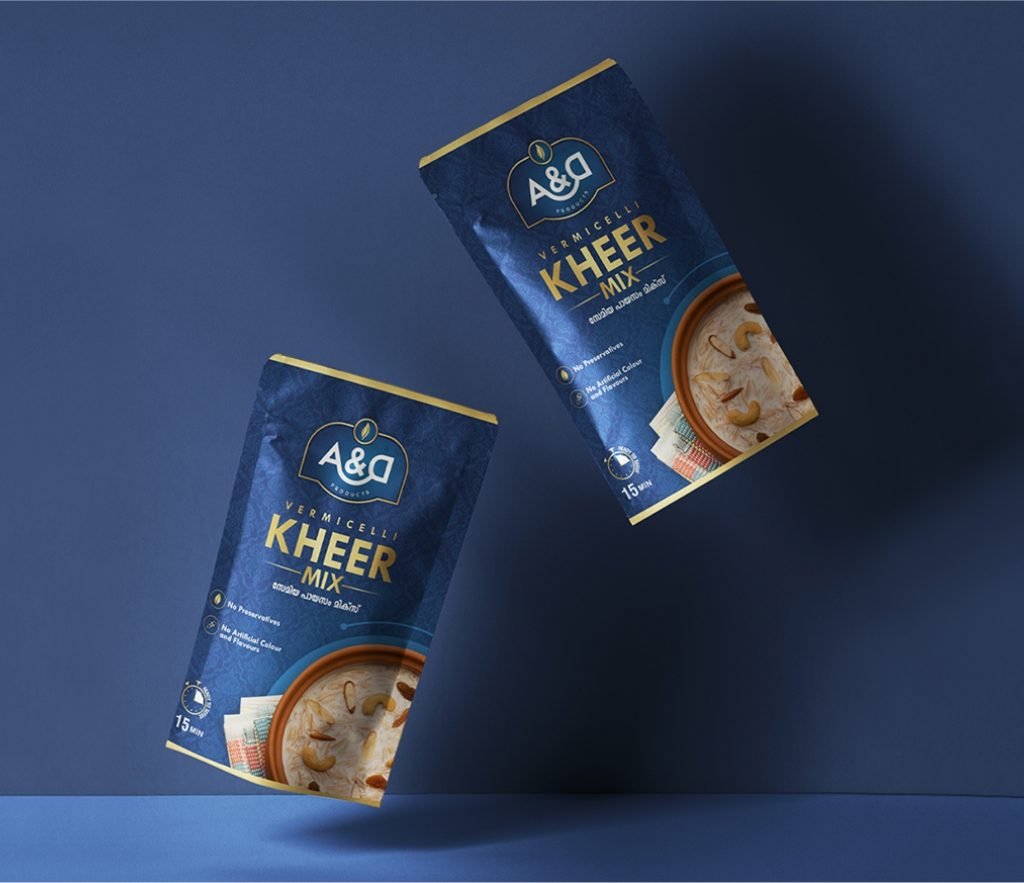
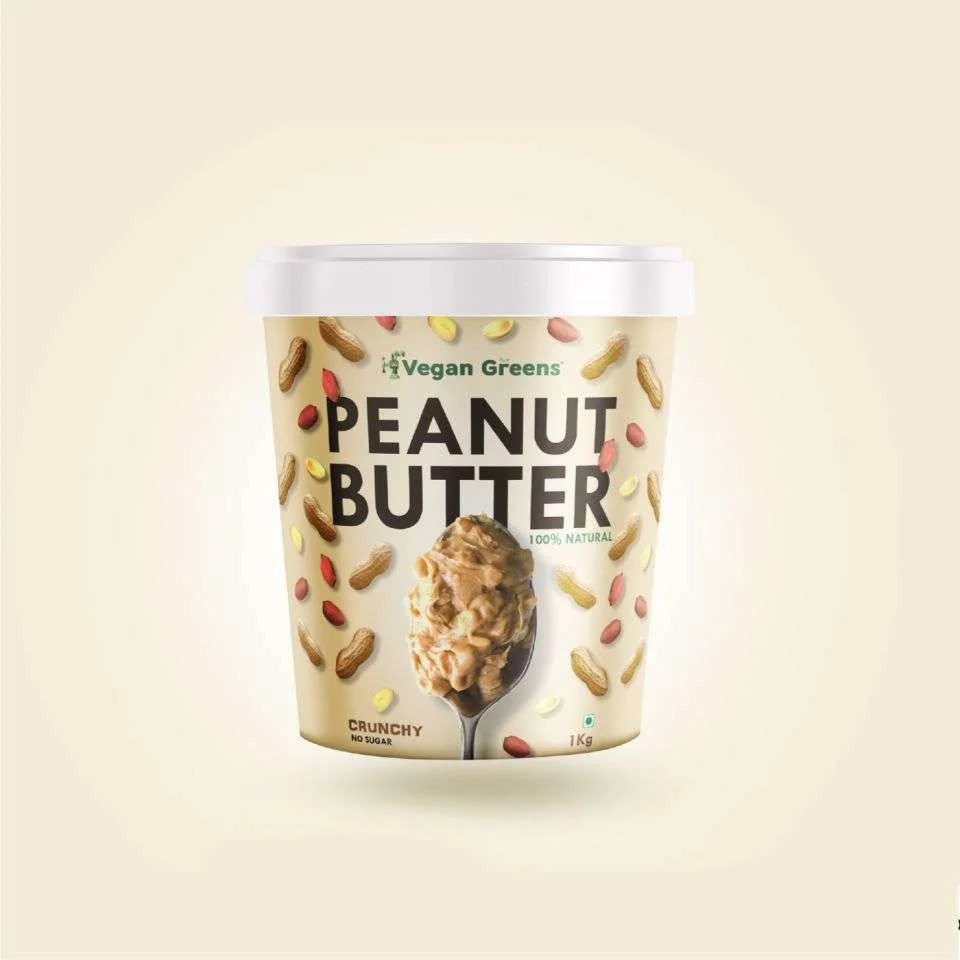
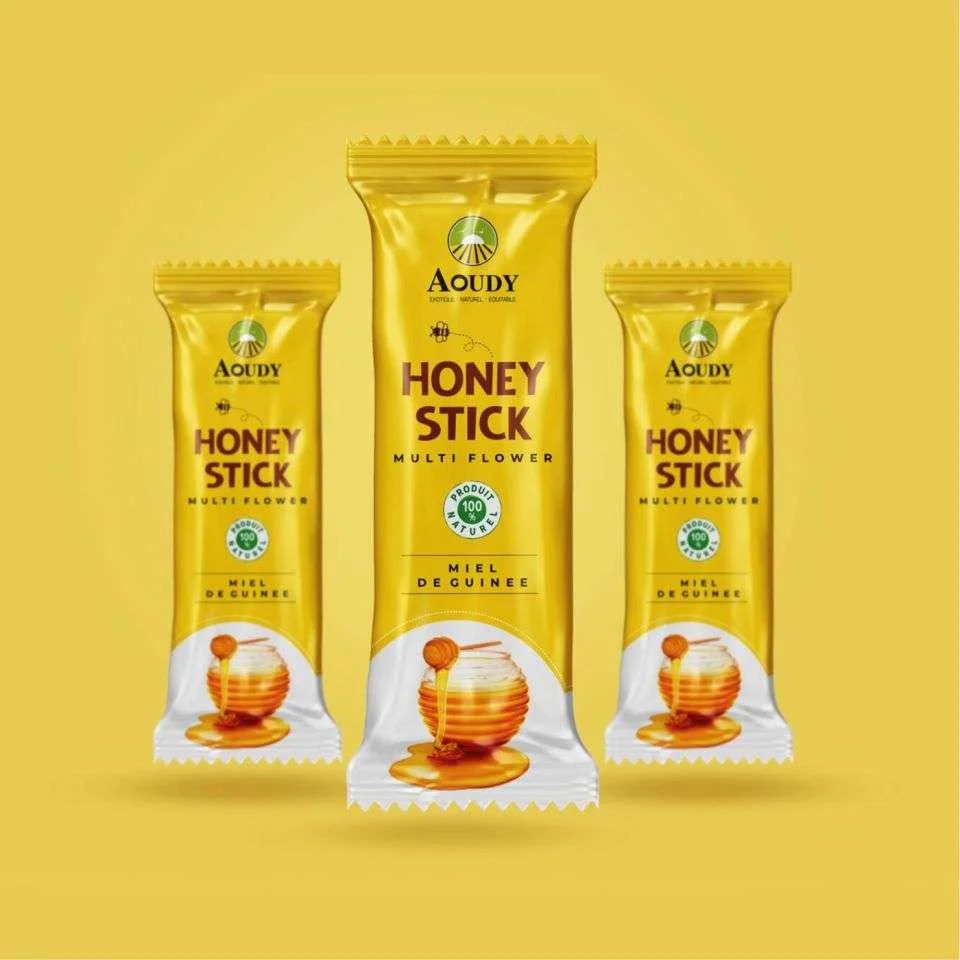
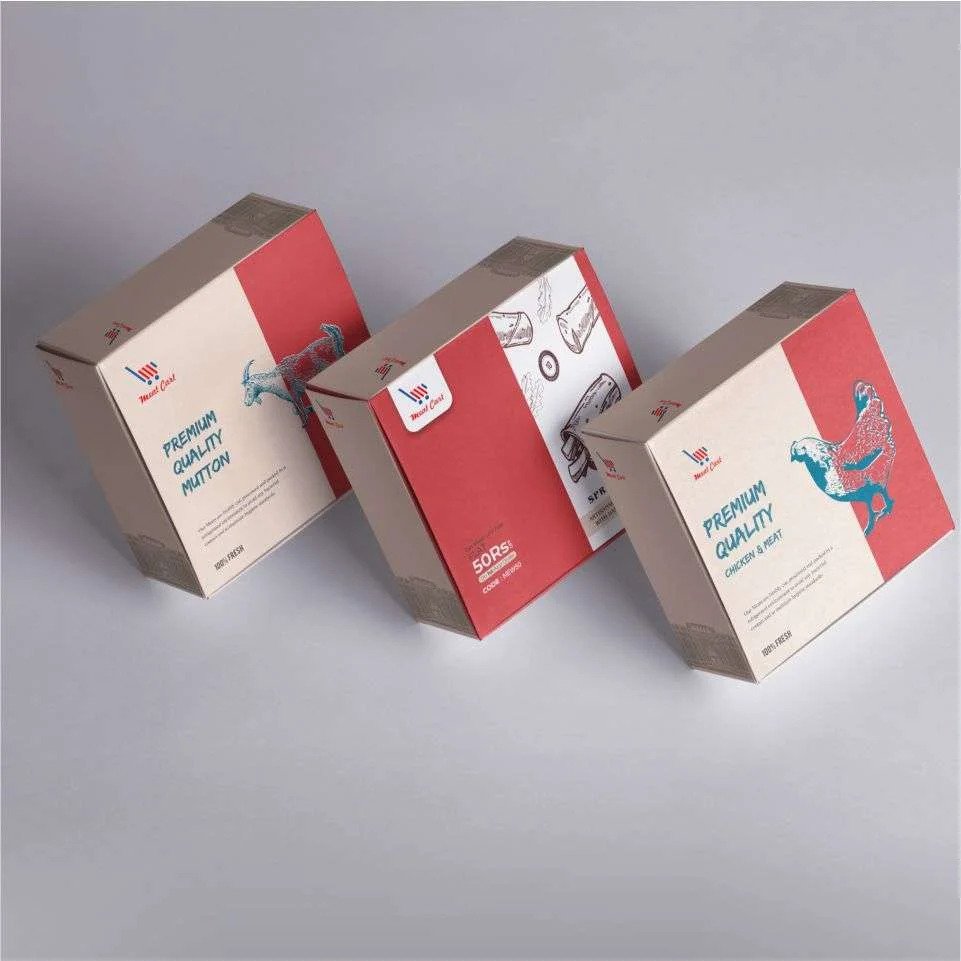
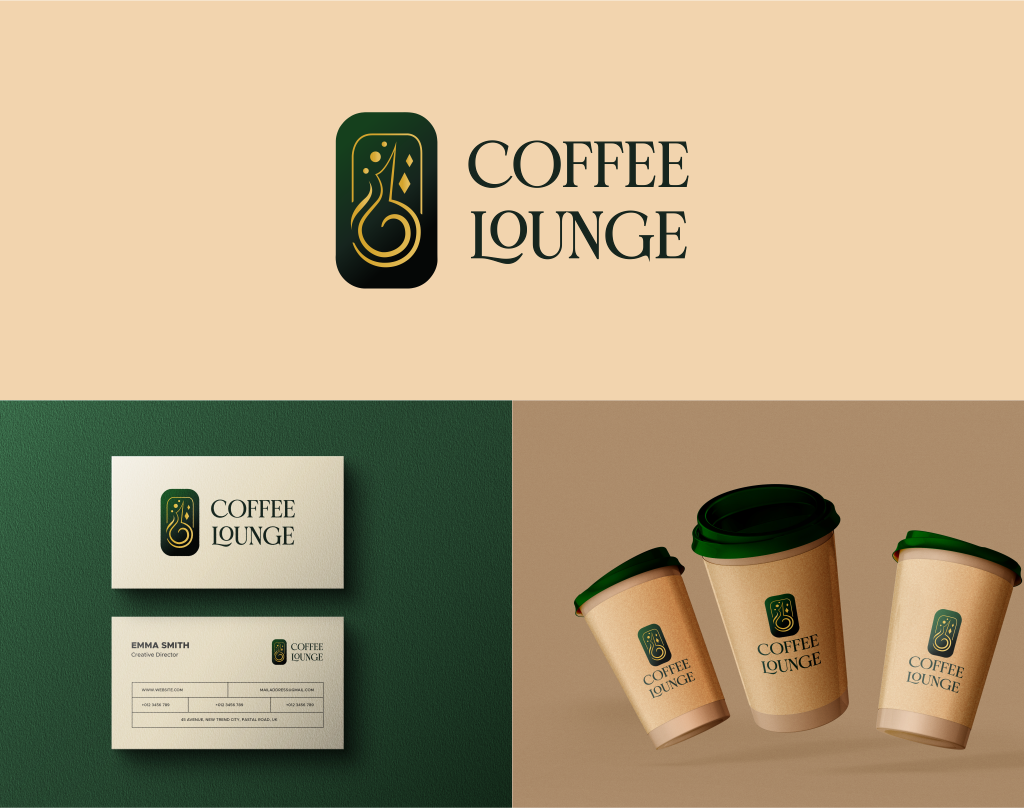
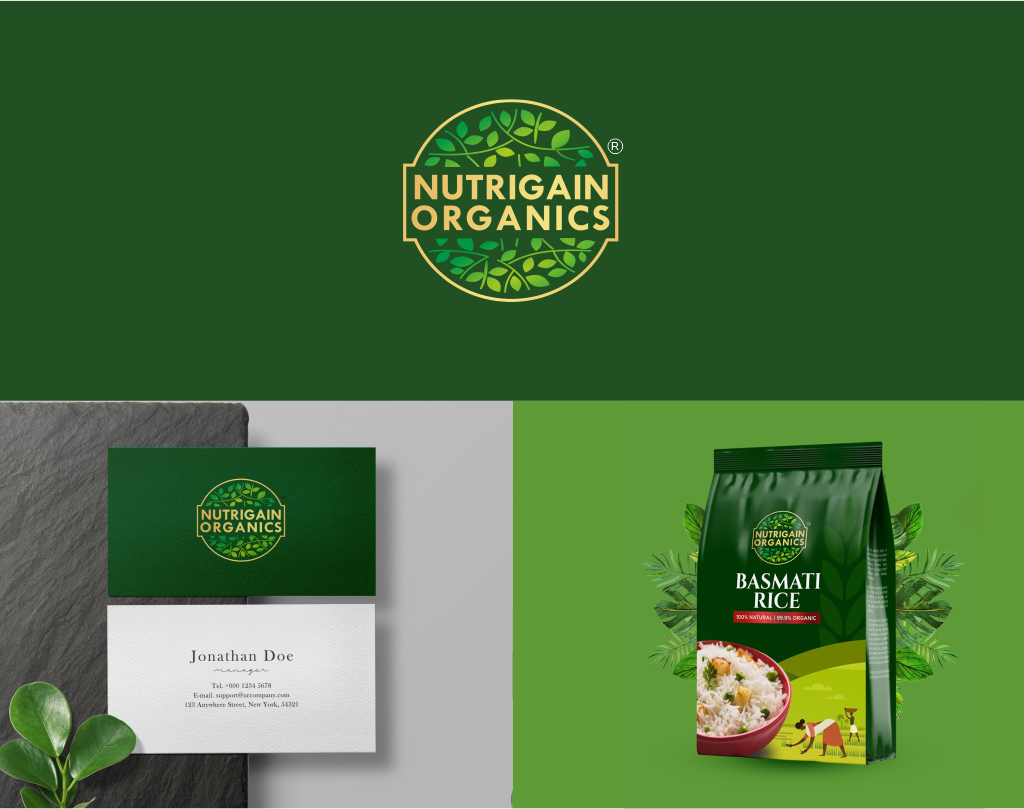
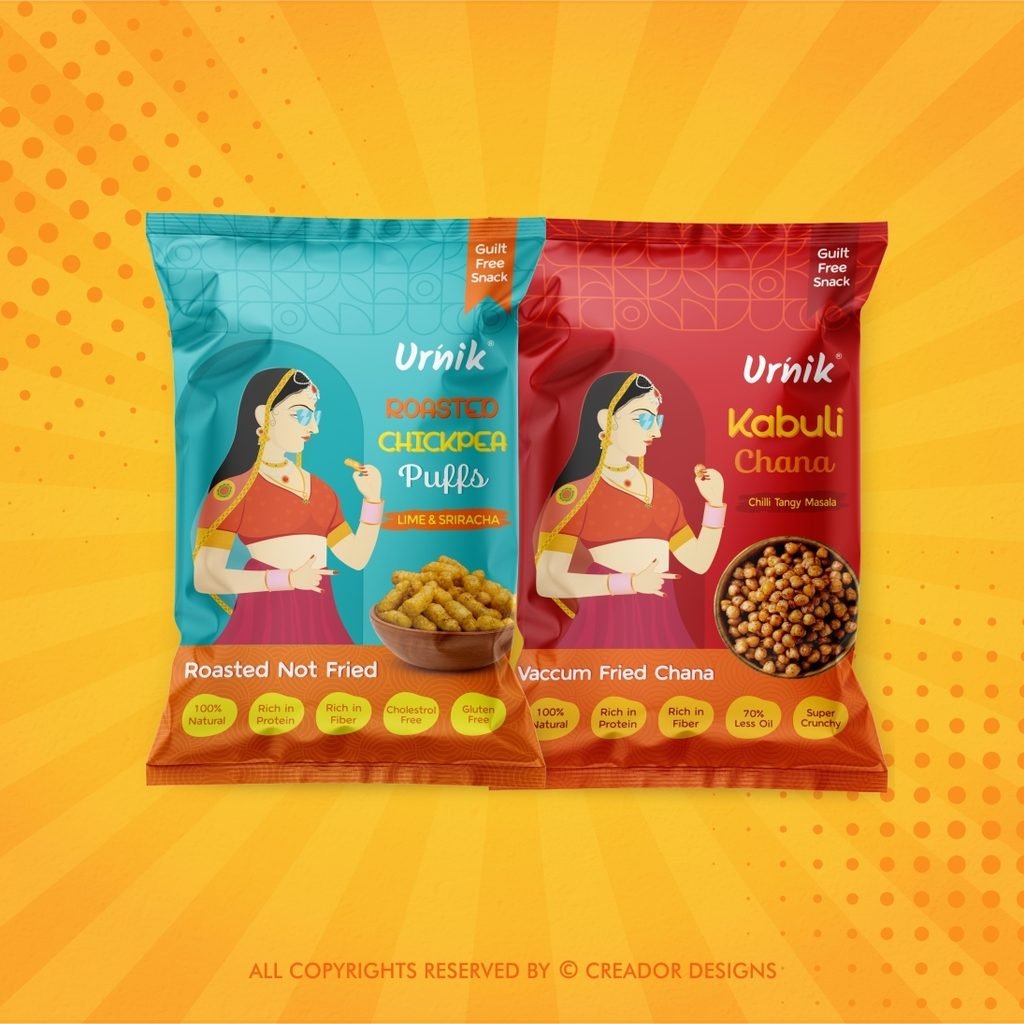
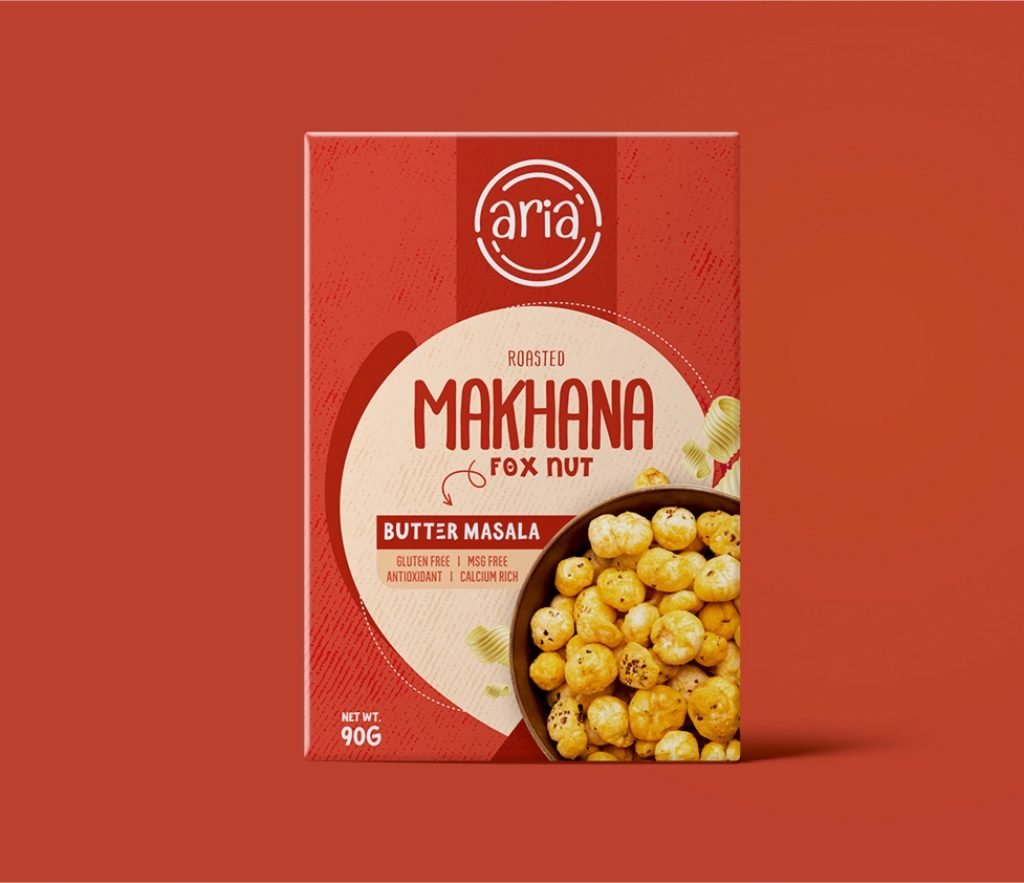
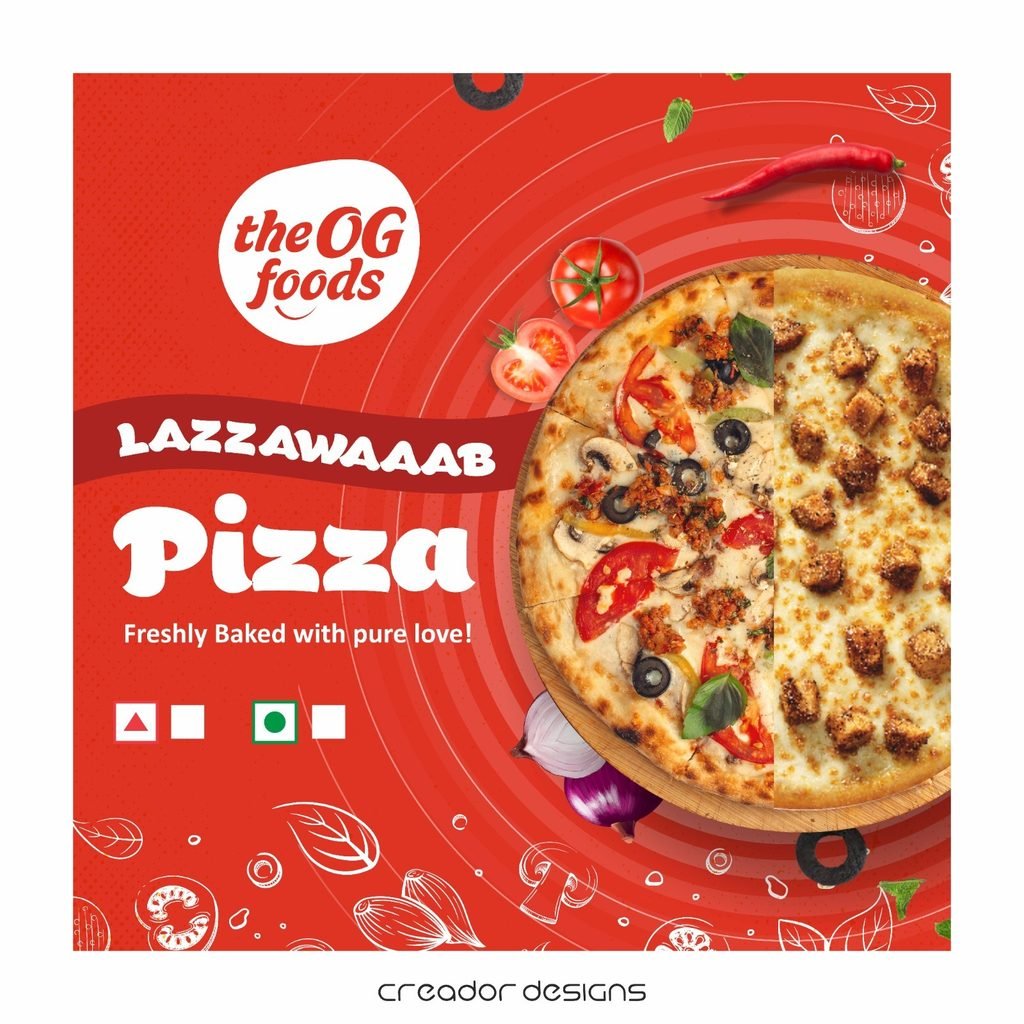
Food Packaging Design Services in Pune help food brands create attractive, informative, and brand-focused packaging for products such as snacks, beverages, packaged foods, bakery products, spices, and other consumer food products. Effective food packaging combines brand identity, visual hierarchy, product information, and practical packaging requirements to create a consistent product presentation across retail and digital channels.

For packaged food products in India, design should also account for applicable food labelling and packaging requirements. FSSAI’s current framework includes the Food Safety and Standards (Labelling and Display) Regulations, 2020, along with subsequent amendments.

What Is Food Packaging Design?

Food packaging design is the process of creating the visual and communication elements used on food products and their packaging.

It can include:

  • Product labels
  • Pouches
  • Boxes
  • Cartons
  • Jars
  • Bottles
  • Wrappers
  • Sleeves
  • Food containers
  • Multipack packaging

The design needs to communicate the product clearly while maintaining the visual identity of the food brand.

For example, a snack brand may need packaging that immediately communicates the brand name, product type, flavour or variant, quantity, and important product information.

Why Is Food Packaging Important for Product Branding?

Packaging is often one of the first things customers notice when they encounter a packaged food product.

A strong packaging design can help a food brand:

  • Create product recognition
  • Communicate the product category
  • Present information clearly
  • Maintain brand consistency
  • Differentiate product variants
  • Create a professional appearance
  • Support retail and online presentation

Packaging design agencies in Pune commonly combine branding, packaging, visual design, and production considerations for food and consumer brands.

1. Make Your Brand Visible on the Packaging

Your brand name and identity should be easy to recognize.

Important visual elements can include:

  • Logo
  • Brand colours
  • Typography
  • Brand graphics
  • Illustrations
  • Product imagery

The design should make the brand recognizable without making the packaging visually crowded.

2. Create a Clear Front-of-Pack Design

The front of a food package has limited space, so information needs to be organized carefully.

A typical hierarchy may look like:

Brand Name → Product Name → Variant → Key Visual → Supporting Information

The exact structure depends on the product and packaging format.

The goal is to help shoppers understand the product quickly.

3. Use Colours to Differentiate Product Variants

Food brands often have multiple flavours or variants.

For example:

  • Salted
  • Masala
  • Cheese
  • Peri-Peri
  • Chocolate
  • Strawberry

A consistent packaging system can use different colours or visual elements to distinguish variants while retaining the same overall brand identity.

This helps customers identify different products as part of the same product range.

4. Choose Typography for Readability

Typography should support both branding and information clarity.

Packaging may contain several types of information, including:

  • Product name
  • Ingredients
  • Nutrition information
  • Quantity
  • Instructions
  • Storage information
  • Manufacturer details
  • Date-related information

The text hierarchy should make important information easy to find without compromising the visual appeal of the package.

5. Use Food Photography and Illustrations Effectively

Food imagery can help communicate the product visually.

For example, appropriate photography or illustrations can help communicate:

  • Flavour
  • Ingredients
  • Serving suggestions
  • Product characteristics
  • Brand personality

However, visuals should accurately represent the product and should not create a misleading impression.

FSSAI’s labelling framework states that pre-packaged food labels should not be false, misleading, or deceptive.

6. Design Packaging for Retail Shelves

Food products may be displayed alongside many competing products.

Your packaging should therefore have a clear visual identity that allows customers to recognize the brand and understand the product category.

Consider:

  • Brand visibility
  • Product name
  • Colour contrast
  • Variant identification
  • Information hierarchy
  • Packaging consistency

A packaging design studio may also consider shelf competition and category positioning before developing the final visual direction.

7. Make Packaging Work for E-Commerce

Food brands are increasingly presented through websites, marketplaces, and other digital channels.

This means packaging should also look clear when displayed as:

  • Product thumbnails
  • E-commerce listings
  • Social media posts
  • Digital advertisements
  • Product catalogues

A strong design should remain recognizable even when the complete physical pack is viewed as a smaller digital image.

8. Follow Food Labelling Requirements

Food packaging design is not only about aesthetics.

Depending on the product and applicable rules, packaging may need to accommodate information such as:

  • Name of the food
  • Ingredient list
  • Nutritional information
  • Net quantity
  • FSSAI-related information
  • Date marking
  • Batch or lot information
  • Manufacturer or packer details
  • Storage instructions where applicable
  • Other required declarations

FSSAI’s current regulations prescribe requirements for pre-packaged food labelling and display, and the framework has been amended over time. Businesses should verify the latest requirements applicable to their specific product before final printing.
What Can Food Packaging Design Services Include?

ServicePurpose
Food Label DesignBrand and product information
Pouch DesignFlexible food packaging
Box DesignRetail product presentation
Bottle/Jar DesignPackaged food and beverage products
Carton DesignSecondary packaging
Wrapper DesignIndividual food products
Multi-SKU PackagingConsistency across variants
Packaging RedesignRefresh an existing product
3D MockupsVisualize the final package
Print-Ready ArtworkPrepare designs for production

Food Packaging Design for New Brands

For a new food brand, packaging is an important part of the initial brand identity.

A new product may require:

Brand Identity → Packaging Concept → Label Design → Variant System → Mockup → Print-Ready Artwork

Creating these elements with a consistent visual direction can help the packaging align with the brand’s broader marketing.

Food Packaging Redesign for Existing Products

Existing food brands may also benefit from packaging redesign when their current packaging no longer reflects the brand or product positioning.

A redesign may be considered when:

  • The packaging looks outdated
  • The brand identity has changed
  • New product variants are being launched
  • Product information needs better organization
  • The packaging lacks consistency
  • The brand wants a refreshed visual appearance

A redesign can focus on specific elements rather than necessarily changing the entire identity.

How to Choose a Food Packaging Design Company in Pune

Before choosing a packaging design partner, consider the following:

Check the Portfolio

Look for relevant experience with food, beverage, FMCG, D2C, or consumer products.

Understand the Design Process

Ask how the agency handles research, concepts, revisions, mockups, and final artwork.

Check Print-Ready Deliverables

Confirm whether final files are prepared according to the requirements of the selected printer and packaging format.

Consider Multiple SKUs

If your brand has multiple products or flavours, check whether the agency can create a scalable packaging system.

Discuss Regulatory Information

Make sure the design process leaves appropriate space for required product information. Regulatory compliance should be verified for the specific food product before production.

Why Custom Food Packaging Is Useful for Brands

Generic packaging may not effectively communicate a brand’s specific identity or product positioning.

Custom packaging allows businesses to develop designs based on:

  • Target audience
  • Product category
  • Brand personality
  • Market positioning
  • Product variants
  • Retail environment
  • Digital presentation

This creates a packaging system that is designed specifically around the product and brand.

How Creador Designs Can Help

At Creador Designs, food packaging can be developed as part of a broader branding and marketing strategy.

Our creative design services can support food brands with:

  • Food Packaging Design
  • Product Label Design
  • FMCG Packaging Design
  • Packaging Redesign
  • Brand Identity Design
  • Logo Design
  • Graphic Design
  • Catalogue Design
  • Brochure Design
  • Social Media Creatives
  • Marketing Design

The focus is on creating packaging that is visually attractive, brand-consistent, informative, and suitable for the intended production format.

FAQs

What are Food Packaging Design Services in Pune?

Food Packaging Design Services in Pune involve creating the visual identity and communication elements for food product packaging, including labels, pouches, boxes, cartons, wrappers, bottles, and other formats.

Why is packaging important for food brands?

Packaging helps communicate the product, brand, variant, and important information while creating a consistent visual identity across retail and digital channels.

Can packaging design be created for multiple food products?

Yes. A packaging system can be developed for multiple products, flavours, sizes, or variants while maintaining a consistent brand identity.

Does food packaging need to follow FSSAI requirements?

Food packaging in India is subject to applicable food safety and labelling requirements. FSSAI’s current regulations include the Labelling and Display Regulations, 2020 and subsequent amendments.

Can an existing food package be redesigned?

Yes. Packaging can be redesigned to modernize the visual identity, improve information hierarchy, introduce new variants, or create better consistency across a product range.

Can food packaging design be used for online sales?

Yes. Packaging should ideally remain recognizable and visually clear in e-commerce listings, product thumbnails, websites, social media, and digital advertising.

Final Thought

Food Packaging Design Services in Pune can help food businesses create packaging that combines attractive visuals, clear product communication, brand identity, and practical production requirements.

Whether you are launching a new food product or redesigning an existing package, the design should work across retail shelves, e-commerce platforms, social media, and other customer touchpoints.

A well-planned packaging system can also make it easier for a food brand to introduce new variants while maintaining a consistent identity.
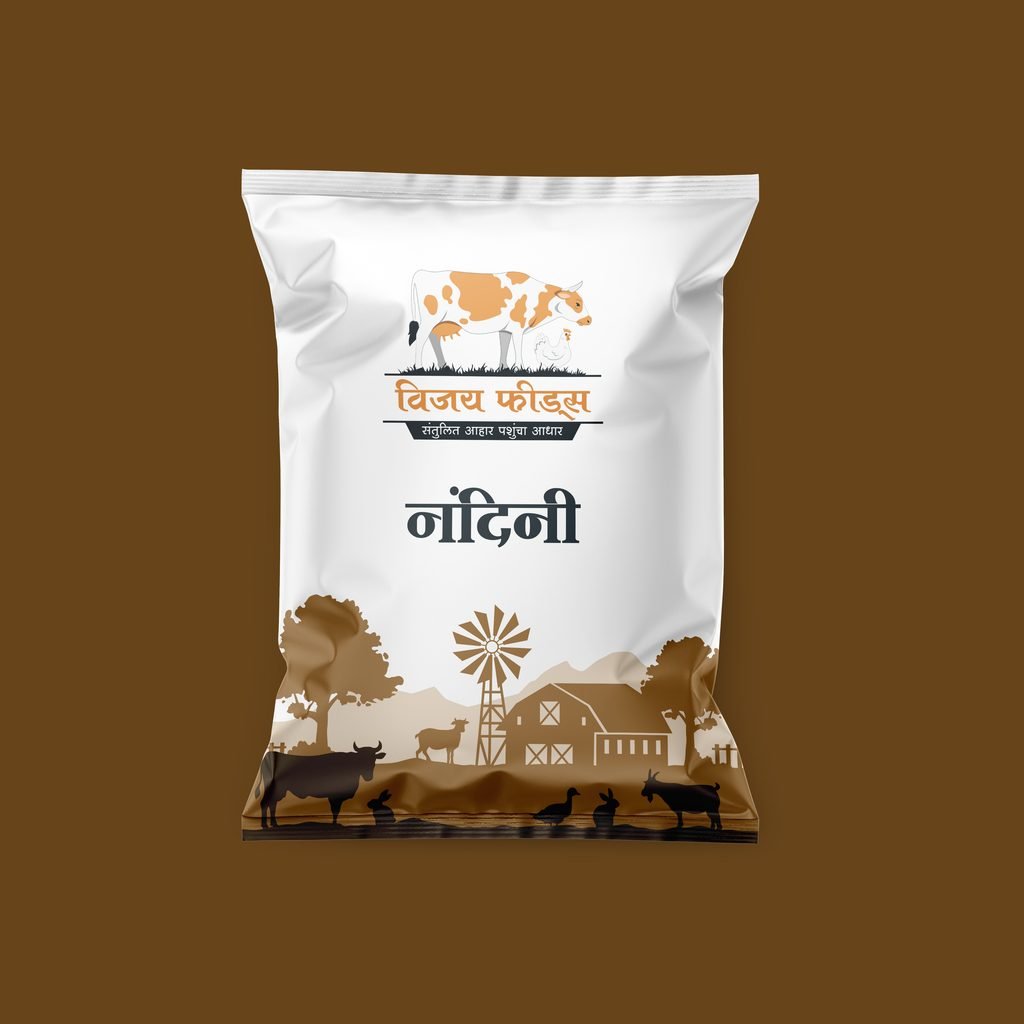
Custom FMCG Packaging Design Services in Pune for Consumer Brands

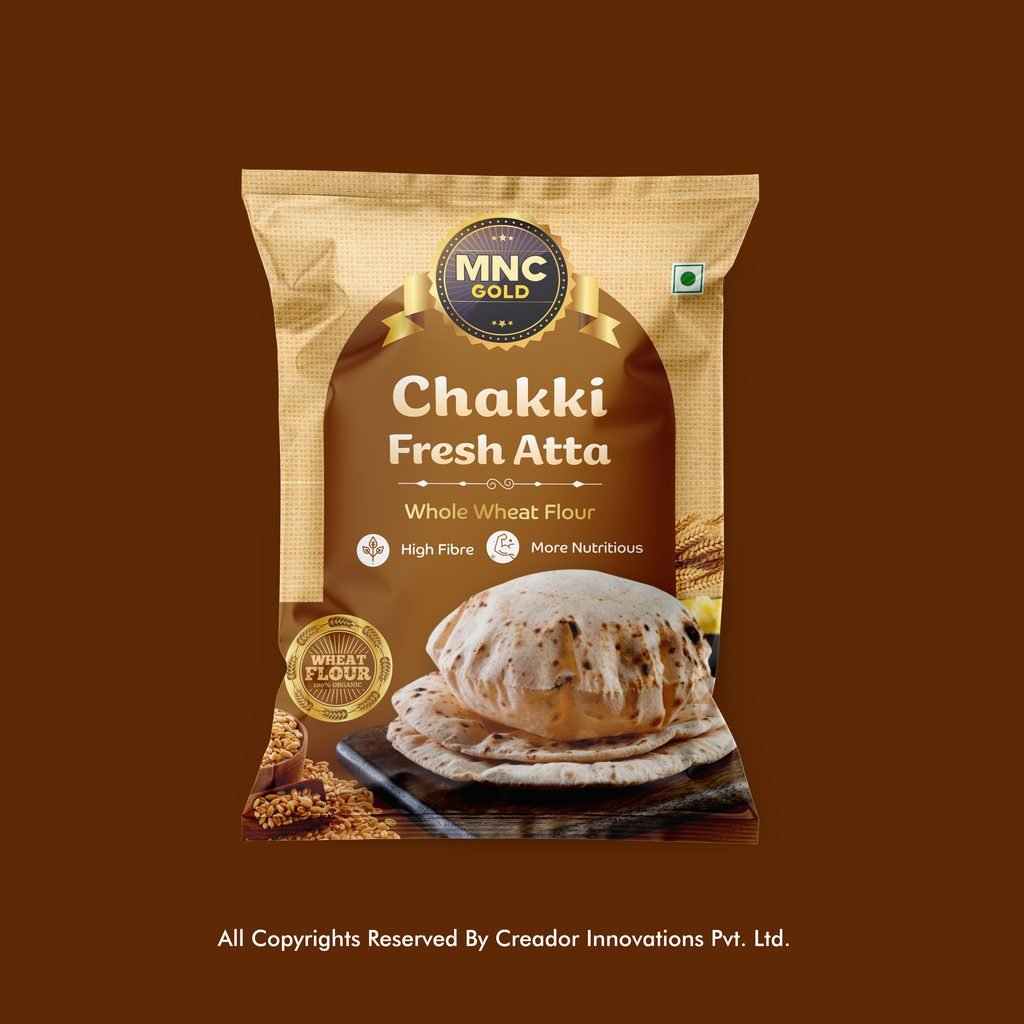
Custom FMCG Packaging Design Services in Pune help consumer brands create packaging that combines brand identity, product information, visual appeal, and practical usability. A well-designed FMCG pack can help a product communicate its category, benefits, and brand personality clearly across retail shelves, e-commerce platforms, and digital marketing. Packaging design can include labels, pouches, boxes, bottles, cartons, wrappers, and complete multi-product packaging systems.

What Is FMCG Packaging Design?

FMCG packaging design is the visual and functional design of packaging used for products that are frequently purchased and consumed, such as food, beverages, personal care products, household products, snacks, and other consumer goods.

Packaging is often one of the first physical interactions a customer has with a product. This makes elements such as the brand name, product category, colours, typography, product imagery, claims, and information hierarchy important parts of the overall design.

A custom FMCG packaging project may involve:

  • Product labels
  • Pouches
  • Boxes
  • Cartons
  • Bottles
  • Wrappers
  • Jars
  • Sleeves
  • Multipack packaging
  • Packaging systems for multiple SKUs

Why Does Packaging Matter for FMCG Brands?

Consumers often encounter several competing products at the same time.

Your packaging needs to communicate important information quickly while remaining visually connected to the overall brand.

Effective packaging can help a product:

  • Establish brand recognition
  • Communicate what the product is
  • Present important information clearly
  • Create visual differentiation
  • Maintain consistency across product variants
  • Support retail and digital presentation
  • Strengthen the overall consumer brand identity

Packaging agencies commonly combine visual design, brand strategy, information hierarchy, and production considerations when developing FMCG packaging.

1. Start With the Consumer and Product

Custom packaging should begin with an understanding of the product and its audience.

Before designing, consider:

  • Who is buying the product?
  • Where will it be sold?
  • What category does it compete in?
  • What makes the product different?
  • What information does the customer need?
  • What price segment is the product targeting?
  • Will it be sold offline, online, or through both?

These questions help establish the creative direction.

2. Create a Strong Front-of-Pack Hierarchy

The front of the package needs to communicate the most important information clearly.

Depending on the product, this can include:

Brand Name → Product Name → Key Product Benefit → Variant/Flavour → Supporting Information

The exact hierarchy depends on the category and product.

A cluttered front panel can make it difficult for shoppers to understand what they are looking at. A structured layout can make the information easier to scan.

3. Make the Packaging Consistent With Your Brand

Packaging should look like an extension of the brand—not a completely separate identity.

Your packaging can incorporate:

  • Brand colours
  • Logo
  • Typography
  • Illustrations
  • Photography style
  • Graphic elements
  • Brand messaging

For businesses with multiple products, creating a consistent packaging system can make different SKUs feel like part of the same product family.

4. Design Packaging for Multiple SKUs

FMCG brands often have several variants of the same product.

For example:

  • Different flavours
  • Different sizes
  • Different product types
  • Different quantities
  • Different formulations

The challenge is to make each SKU distinguishable while retaining the overall brand identity.

A packaging system can establish common elements while allowing individual variants to use specific colours, imagery, or identifiers.

5. Consider Both Retail Shelves and Digital Platforms

Modern consumer brands may sell products through physical stores as well as e-commerce and quick-commerce platforms.

This means packaging should work in more than one environment.

Offline

The pack needs to communicate clearly when displayed alongside competing products.

Online

The packaging may appear as a small product thumbnail where brand visibility, contrast, and information clarity become important.

Some packaging specialists specifically design FMCG packs with both retail shelf visibility and digital thumbnail presentation in mind.

6. Balance Creativity With Product Information

FMCG packaging needs to be visually engaging, but it also needs to communicate necessary information.

Depending on the product and applicable regulations, packaging may need space for information such as:

  • Product name
  • Ingredients
  • Net quantity
  • Nutritional information
  • Allergen information
  • Usage instructions
  • Manufacturer details
  • Batch information
  • MRP
  • Barcode
  • Other required declarations

The exact requirements depend on the product category and applicable regulations.

Packaging design agencies commonly consider information hierarchy, barcode placement, regulatory artwork, and production requirements as part of the packaging workflow.

7. Choose Colours and Typography Carefully

Colours and typography play an important role in packaging recognition.

A packaging design may use colour to:

  • Differentiate product variants
  • Establish brand recognition
  • Highlight important information
  • Create a particular visual personality

Typography should remain readable at the actual size of the packaging.

The goal is not simply to use attractive fonts or colours, but to create a visual hierarchy that helps customers understand the product.

8. Use Product Images and Illustrations Strategically

Images and illustrations can help communicate what a product is and how it should be perceived.

For food and beverage brands, for example, product imagery may communicate flavour or ingredients.

For personal care or household products, illustrations and visual cues can help explain the product category or benefit.

The imagery should support the brand rather than overwhelm the key information.

What Can Custom FMCG Packaging Design Include?

Packaging RequirementPurpose
Product Label DesignCommunicate product and brand information
Pouch DesignCreate packaging for flexible products
Box DesignSupport retail presentation
Bottle PackagingBuild product identity
Carton DesignPresent products professionally
Wrapper DesignSupport packaged consumer products
Multi-SKU DesignMaintain consistency across variants
Packaging RedesignModernize an existing product
3D MockupsVisualize the final packaging
Print-Ready ArtworkPrepare files for production

Packaging services in Pune can cover everything from product packaging and labels to redesign, structural considerations, mockups, and print-ready artwork.

Packaging Design for New Consumer Brands

For a new FMCG brand, packaging is part of the initial brand-building process.

A new product may need:

  1. Brand identity
  2. Packaging concept
  3. Product label
  4. Variant system
  5. Packaging mockups
  6. Print-ready artwork
  7. Marketing creatives

Developing these elements together can help maintain consistency between the packaging and the brand’s wider marketing communication.

Packaging Redesign for Existing FMCG Brands

Established products may eventually need a packaging refresh.

A redesign can be considered when:

  • The packaging looks outdated
  • The brand has changed its positioning
  • Product information needs better organization
  • New variants are being introduced
  • The visual identity has been updated
  • The product needs a more consistent packaging system

A redesign does not necessarily mean changing everything. The approach can depend on what elements already have recognition among existing customers.

How to Choose an FMCG Packaging Design Company in Pune

Before selecting a packaging design partner, businesses can consider:

Portfolio

Review previous FMCG, food, beverage, D2C, or consumer-brand packaging projects.

Category Understanding

Packaging requirements can differ significantly between food, beverages, cosmetics, household products, and other FMCG categories.

Design Process

Understand whether the process includes research, concept development, revisions, mockups, and final artwork.

Production Knowledge

Ask whether the final artwork is prepared with appropriate print specifications, dielines, bleed, colour profiles, and other production requirements.

Scalability

If you plan to launch several products or variants, consider whether the agency can create a packaging system that can scale with the product range.

Why Custom Packaging Is Useful for Consumer Brands

Ready-made or generic packaging approaches may not communicate the specific positioning of a consumer brand.

Custom packaging allows businesses to develop a visual system around:

  • Their target audience
  • Product positioning
  • Brand personality
  • Product category
  • Market segment
  • Product variants
  • Retail environment

This can make the packaging more closely connected to the overall brand strategy.

How Creador Designs Can Help

At Creador Designs, packaging design can be developed as part of a broader branding and marketing system.

Our design capabilities can support consumer brands with:

  • FMCG Packaging Design
  • Product Packaging Design
  • Label Design
  • Packaging Redesign
  • Brand Identity Design
  • Logo Design
  • Graphic Design
  • Brochure and Catalogue Design
  • Marketing Creatives
  • Social Media Design

The focus is on creating packaging that is visually distinctive, brand-consistent, informative, and practical for the intended application.

FAQs

What are Custom FMCG Packaging Design Services in Pune?

They involve creating packaging specifically for FMCG products based on the brand identity, product category, target audience, packaging format, and marketing requirements.

What types of FMCG packaging can be designed?

Depending on the product, packaging design can include pouches, boxes, cartons, bottles, jars, wrappers, labels, sleeves, and other packaging formats.

Why is packaging important for consumer brands?

Packaging communicates the product and brand visually while providing important information. It can also help establish consistency and differentiation across retail and digital environments.

Can packaging design include multiple product variants?

Yes. A packaging system can be developed so different flavours, sizes, or variants remain visually connected while being easy to distinguish.

Does FMCG packaging need to follow regulatory requirements?

Packaging may need to include specific declarations and information depending on the product category and applicable regulations. The exact requirements should be verified for the relevant product and market.

Can an existing FMCG package be redesigned?

Yes. Packaging can be refreshed to improve visual hierarchy, modernize the identity, introduce new variants, or align the package with an updated brand strategy.

Final Thought

Custom FMCG Packaging Design Services in Pune can help consumer brands create packaging that connects brand identity, product information, visual communication, and practical production requirements.

Whether you are launching a new FMCG product, expanding into new variants, or refreshing an existing package, the design should work as part of the larger brand experience.

From labels and pouches to boxes, bottles, cartons, and multi-SKU systems, thoughtful packaging can give consumer brands a consistent visual foundation across retail, e-commerce, and marketing channels.

Graphic Design Company in Pune for Creative Business Marketing

A Graphic Design Company in Pune helps businesses create professional visual communication for branding, marketing, advertising, digital platforms, and print materials. From social media creatives and advertisements to brochures, catalogues, presentations, packaging, and business stationery, graphic design helps businesses communicate their message clearly and maintain a consistent brand identity.

What Does a Graphic Design Company Do?

Graphic design is the process of communicating ideas and information through visual elements such as typography, images, colours, layouts, illustrations, and graphics.

For businesses, graphic design can be used across multiple marketing and communication channels.

A graphic design company may create:

  • Social media creatives
  • Digital advertisements
  • Brochures
  • Catalogues
  • Business cards
  • Flyers
  • Presentations
  • Company profiles
  • Packaging
  • Posters
  • Banners
  • Infographics
  • Website graphics
  • Marketing campaign creatives

Modern graphic design services often combine branding, digital marketing, print design, and other visual communication requirements.

Why Is Graphic Design Important for Business Marketing?

Customers interact with a business through many visual touchpoints before they make a purchase or enquiry.

Your brand may appear on:

Google → Website → Social Media → Advertisement → Brochure → Packaging → Sales Presentation

If these materials look inconsistent or fail to communicate the message clearly, the overall brand experience can become disconnected.

Professional graphic design can help businesses:

  • Present information clearly
  • Maintain visual consistency
  • Communicate marketing messages
  • Create professional brand materials
  • Make campaigns visually recognizable
  • Support digital and offline marketing

1. Create Designs That Match Your Brand

Marketing designs should not look disconnected from the brand identity.

A consistent visual system can include:

  • Brand colours
  • Typography
  • Logo usage
  • Graphic elements
  • Image style
  • Layout patterns
  • Icons and illustrations

Using these elements consistently helps different marketing materials feel like they belong to the same brand.

2. Design Social Media Creatives

Social media is an important visual communication channel for many businesses.

Graphic design companies can create:

  • Instagram posts
  • Carousels
  • LinkedIn creatives
  • Facebook posts
  • Promotional creatives
  • Festival creatives
  • Educational graphics
  • Infographics
  • Reel covers
  • Campaign visuals

The design should communicate the main message quickly while remaining consistent with the brand.

3. Create Effective Advertising Creatives

Digital advertising requires designs that communicate the offer or message quickly.

Graphic design for advertising may include:

  • Meta Ads creatives
  • Google Display Ads
  • Promotional banners
  • Campaign graphics
  • Lead-generation creatives
  • Product advertisements
  • Service advertisements

The creative should work together with the campaign objective, audience, copy, and landing page.

4. Design Brochures and Company Profiles

Not every customer interaction happens online.

Businesses may still use brochures, company profiles, presentations, and other printed or digital documents to explain their products and services.

A professionally designed brochure can organize information through:

  • Clear headings
  • Product/service sections
  • Images
  • Icons
  • Supporting graphics
  • Contact information
  • Brand elements

This makes complex information easier to understand.

5. Create Product and Packaging Designs

For product-based businesses, packaging is also a marketing touchpoint.

Graphic design can be used for:

  • Product labels
  • Boxes
  • Pouches
  • Cartons
  • Bottles
  • Food packaging
  • Product inserts
  • Promotional packaging

Packaging design needs to balance visual appeal with practical information and brand consistency.

6. Design Business Presentations

A business presentation should make information easy to understand rather than simply filling slides with text.

Professional presentation design can improve the visual structure of:

  • Company presentations
  • Sales decks
  • Investor presentations
  • Product presentations
  • Service proposals
  • Business reports

Clear layouts, typography, charts, images, and visual hierarchy can make business information easier to follow.

7. Use Graphic Design to Support Marketing Campaigns

A marketing campaign usually requires several creative assets.

For example:

Campaign Strategy → Social Media Creative → Advertisement → Landing Page → Brochure → Sales Material

When these assets follow the same visual direction, the campaign can feel more connected.

This is especially useful for businesses running multiple marketing campaigns across digital and offline channels.

Graphic Design Services for Different Business Needs

Design RequirementCommon Use
Social Media DesignDigital content and engagement
Ad Creative DesignPaid marketing campaigns
Brochure DesignProduct/service communication
Catalogue DesignProduct presentation
Packaging DesignProduct branding
Business Card DesignProfessional networking
Company ProfileBusiness introduction
Presentation DesignSales and corporate communication
Banner DesignPromotions and events
Infographic DesignSimplifying information

Graphic Design for Startups

Startups often need several brand and marketing materials while establishing their presence.

A graphic design company can help create a consistent visual foundation for:

  • Logo
  • Social media
  • Website
  • Presentations
  • Business cards
  • Brochures
  • Advertisements
  • Marketing campaigns

This allows the startup to communicate consistently as it grows.

Graphic Design for Established Businesses

Established businesses may already have a brand identity but require regular creative support for marketing.

This can include:

  • Monthly social media creatives
  • Promotional campaigns
  • Product launches
  • Digital advertisements
  • Sales presentations
  • Event materials
  • Brochures
  • Packaging updates
  • Seasonal campaigns

A structured design system can make it easier to produce new marketing materials without losing brand consistency.

What Makes Business Graphic Design Effective?

Good graphic design is not only about making something look attractive.

Effective business design should consider:

Clarity

The audience should understand the main message quickly.

Brand Consistency

The design should follow the established visual identity.

Visual Hierarchy

Important information should receive appropriate visual emphasis.

Audience

The design should be relevant to the people it is intended to reach.

Marketing Objective

The creative should support the purpose of the campaign, whether it is awareness, engagement, enquiry, promotion, or information.

How to Choose a Graphic Design Company in Pune

Businesses can consider several factors before selecting a design partner.

Check the Portfolio

Review previous projects across different formats and industries.

Understand the Design Process

Ask how the agency handles the brief, creative direction, revisions, and final files.

Look for Multi-Channel Experience

If your business requires social media, print, packaging, advertising, and website creatives, an agency with experience across different formats may be useful.

Check Brand Understanding

The agency should be able to work within your existing brand guidelines or help establish them.

Consider Long-Term Requirements

If your business needs regular marketing creatives, discuss how the design team can support ongoing campaigns and communication.

Pune-based design providers commonly offer combinations of branding, social media graphics, brochures, packaging, digital marketing, and other creative services.

Why Businesses in Pune Need Professional Graphic Design

Pune has businesses across technology, manufacturing, education, healthcare, real estate, retail, food, professional services, and other sectors.

Businesses operating in such a diverse market may need visual communication across multiple channels.

Professional graphic design can help create consistency across:

  • Digital marketing
  • Social media
  • Websites
  • Advertising
  • Business documents
  • Packaging
  • Print materials
  • Events and promotions

The requirement is not simply to create more designs, but to create designs that communicate the right message to the right audience.

How Creador Designs Can Help

At Creador Designs, graphic design can be integrated with broader branding and digital marketing requirements.

Our creative services can support businesses with:

  • Graphic Design
  • Logo Design
  • Brand Identity Design
  • Social Media Creatives
  • Brochure Design
  • Catalogue Design
  • Packaging Design
  • Business Card Design
  • Advertising Creatives
  • Website Design
  • Marketing Materials

The goal is to create practical, creative, and brand-consistent visuals that businesses can use across their marketing activities.

FAQs

What does a Graphic Design Company in Pune provide?

A Graphic Design Company in Pune can provide services such as social media creatives, advertisements, brochures, catalogues, packaging, presentations, business cards, company profiles, banners, and other marketing materials.

Why is graphic design important for business marketing?

Graphic design helps businesses communicate information visually, maintain brand consistency, present products or services professionally, and create marketing materials for different channels.

Is graphic design useful for small businesses?

Yes. Small businesses can use graphic design for logos, social media, advertisements, brochures, presentations, packaging, websites, and other customer-facing materials.

What is the difference between graphic design and branding?

Graphic design focuses on creating visual communication, while branding is broader and can include brand strategy, positioning, identity, messaging, guidelines, and the overall way a business presents itself.

Can a graphic design company create social media creatives?

Yes. Social media graphic design can include posts, carousels, promotional creatives, infographics, campaign visuals, and reel covers.

Can graphic design help with digital advertising?

Yes. Graphic designers can create visual assets for platforms such as Meta and Google, depending on the campaign requirements and advertising formats.

Final Thought

A Graphic Design Company in Pune can help businesses turn ideas, information, and marketing messages into clear and consistent visual communication.

From social media creatives and digital advertisements to brochures, catalogues, packaging, presentations, and business materials, graphic design can support different stages of a customer’s interaction with a brand.

For businesses that want their marketing to look consistent, professional, and aligned with their brand, graphic design should be treated as an important part of the overall marketing strategy.

Creative Brand Identity Design in Pune for Strong Business Branding

Creative Brand Identity Design in Pune helps businesses create a consistent visual identity that represents their values, personality, and market positioning. It can include logo design, colours, typography, graphic elements, brand guidelines, and other visual assets used across websites, social media, packaging, advertising, and business communication.

A strong brand identity gives businesses a structured way to present themselves consistently across different customer touchpoints.

What Is Brand Identity Design?

Brand identity is the visual system that represents a business.

It goes beyond a logo and can include:

  • Logo and logo variations
  • Brand colours
  • Typography
  • Graphic elements
  • Iconography
  • Photography style
  • Design layouts
  • Brand guidelines
  • Marketing templates

These elements work together to create a recognizable and consistent brand presence.

For businesses in Pune, a structured identity can be particularly useful when the brand communicates through multiple channels such as websites, social media, packaging, advertising, brochures, and sales materials.

Why Is Brand Identity Important for Businesses?

A business may have a good product or service, but inconsistent branding can make its communication look disconnected.

For example, if your website uses one colour palette, your social media uses another, and your brochures follow a completely different design style, customers may find it harder to associate these materials with the same business.

A defined brand identity helps create consistency across:

  • Digital platforms
  • Printed materials
  • Advertising
  • Packaging
  • Social media
  • Presentations
  • Business stationery
  • Signage

Consistency is one of the key functions of a brand identity system.

1. Start With Your Brand Strategy

Creative design works better when it has a clear direction.

Before developing the visual identity, businesses should consider:

  • Who is the target audience?
  • What does the business offer?
  • What makes the business different?
  • What type of personality should the brand communicate?
  • Where does the business want to position itself?
  • Which competitors are already serving the audience?

These questions provide a foundation for the creative direction.

2. Create a Distinctive Logo

The logo is often one of the first visual elements people associate with a business.

A professional logo should be:

  • Relevant to the brand
  • Easy to recognize
  • Scalable
  • Functional across different backgrounds
  • Suitable for digital and print use

The logo should work on a website as well as a business card, social media profile, packaging, signage, or advertisement.

3. Develop a Consistent Colour Palette

Colours contribute to the overall visual recognition of a brand.

A brand identity system can define primary and secondary colours along with appropriate digital and print colour specifications.

This makes it easier for designers and marketing teams to reproduce the same visual identity across different materials.

4. Choose the Right Typography

Typography is another important part of brand identity.

The selected fonts should complement the brand’s personality and remain readable across different applications.

A brand identity system may define:

  • Primary typeface
  • Secondary typeface
  • Heading styles
  • Body text styles
  • Font weights
  • Usage hierarchy

This helps maintain consistency across websites, social media, brochures, presentations, and advertisements.

5. Build Brand Guidelines

Brand guidelines turn a collection of design elements into a usable system.

They can define:

Brand ElementGuideline
LogoUsage, spacing and variations
ColoursPrimary and secondary colour codes
TypographyFonts and hierarchy
ImageryPhotography and visual direction
GraphicsSupporting design elements
ApplicationsExamples of correct usage

Brand guidelines are particularly useful when multiple people or agencies create marketing materials for the same business.

6. Make Your Brand Consistent Across Platforms

A strong identity should not stop at the logo.

Your brand can appear on:

Website → Instagram → Google Business Profile → Brochure → Packaging → Advertisement → Business Presentation

Using a consistent visual system across these touchpoints can make the business easier to recognize.

This is why modern brand identity projects often include assets designed for both digital and physical applications.

7. Extend Brand Identity Into Marketing Design

Once the core identity is established, it can be applied to different marketing materials.

For example:

  • Social media creatives
  • Brochures
  • Catalogues
  • Business cards
  • Presentations
  • Advertisements
  • Packaging
  • Website graphics
  • Outdoor advertising

This allows businesses to build marketing materials from the same visual foundation instead of creating unrelated designs for every campaign.

Brand Identity for Startups and Growing Businesses

Startups often need to establish their identity while building awareness.

A well-planned brand identity can give a new business a consistent starting point for:

  • Website development
  • Social media
  • Advertising
  • Sales presentations
  • Packaging
  • Business communication

As the business grows, the same identity can be adapted to new marketing channels.

Brand Identity for Established Businesses

Brand identity is not only for new businesses.

Established companies may need identity design when:

  • Their existing identity feels outdated
  • Different departments use different designs
  • Marketing materials lack consistency
  • The business has expanded into new markets
  • The brand has changed its positioning
  • The existing visual identity no longer reflects the business

In such situations, businesses may consider an identity refresh or broader rebranding exercise.

What Does Creative Brand Identity Design Include?

The scope depends on the business, but a typical project can include:

DeliverablePurpose
Logo DesignCore brand identification
Colour PaletteVisual consistency
TypographyConsistent text presentation
Supporting GraphicsBrand recognition
IconographyVisual communication
Brand GuidelinesConsistent implementation
StationeryProfessional business communication
Social Media AssetsDigital brand presence
Marketing TemplatesFaster content production

How to Choose a Brand Identity Design Agency in Pune

Before selecting a branding partner, businesses can evaluate several factors.

Review the Portfolio

Look at previous identity projects and understand how the agency approaches different industries.

Understand the Process

Ask whether the process includes research, strategy, creative development, revisions, and final brand guidelines.

Check the Scope

Make sure you understand exactly which brand assets will be delivered.

Consider Future Requirements

If your business will need packaging, website design, social media creatives, or marketing materials, consider whether the agency can support those requirements.

Look for Practical Design

Your identity should work in real-world situations—not only in a presentation.

Brand systems need to function across digital platforms, print materials, packaging, signage, and other applications.

How Creador Designs Can Help

At Creador Designs, brand identity can be developed as a complete visual system rather than treating the logo as a standalone design.

Our creative design capabilities can support businesses with:

  • Logo Design
  • Brand Identity Design
  • Brand Guidelines
  • Graphic Design
  • Packaging Design
  • Brochure Design
  • Catalogue Design
  • Business Card Design
  • Website Design
  • Social Media Creatives

The objective is to create a practical identity that businesses can use consistently across their digital and offline communication.

FAQs

What is Creative Brand Identity Design in Pune?

Creative Brand Identity Design in Pune involves developing the visual elements that represent a business, including its logo, colours, typography, graphics, and brand guidelines.

Is brand identity different from logo design?

Yes. A logo is one part of a brand identity. A complete identity can include colours, typography, graphic elements, imagery, guidelines, and other visual assets.

Why do businesses need brand guidelines?

Brand guidelines help businesses maintain consistency by explaining how logos, colours, fonts, imagery, and other identity elements should be used.

Can brand identity help a small business?

Yes. A structured identity can give small businesses a consistent foundation for their website, social media, advertising, packaging, and other marketing activities.

How long does brand identity design take?

The timeline depends on the scope, research, number of concepts, revisions, and final deliverables. A complete identity system generally requires more time than a standalone logo.

Can an existing brand identity be redesigned?

Yes. Businesses can refresh or modernize an existing identity while retaining relevant elements of their established brand recognition.

Final Thought

Creative Brand Identity Design in Pune is about creating more than an attractive logo. It is about building a visual system that helps a business communicate consistently across every important customer touchpoint.

From logo design and typography to colour systems, brand guidelines, packaging, websites, and marketing creatives, each element can contribute to a unified brand presence.

For businesses looking to build a recognizable identity, a structured brand system can provide a strong foundation for future marketing and communication.

Creative Branding Agency in Pune for Businesses and Growing Brands

A Creative Branding Agency in Pune helps businesses build a recognizable and consistent brand through strategy, visual identity, logo design, brand guidelines, marketing creatives, and other brand communication assets. For growing businesses, effective branding helps create a consistent identity across websites, social media, packaging, advertising, and offline marketing.

What Does a Creative Branding Agency Do?

Branding is more than designing a logo. It involves creating a complete identity that communicates what a business stands for and how it wants customers to perceive it.

A creative branding agency may help businesses with:

  • Brand strategy
  • Logo design
  • Brand identity
  • Colour palette
  • Typography
  • Brand guidelines
  • Marketing creatives
  • Packaging design
  • Brochures and catalogues
  • Business cards
  • Website design
  • Social media branding

The exact requirements depend on the business, industry, target audience, and stage of growth.

Why Is Branding Important for Growing Businesses?

As a business grows, its communication can appear inconsistent if there is no defined brand identity.

For example, the logo may look different across platforms, colours may change between designs, and marketing messages may not have a consistent visual direction.

A structured brand identity helps businesses maintain consistency across different customer touchpoints.

A strong brand can help businesses:

  • Create a recognizable identity
  • Communicate professionally
  • Maintain consistency
  • Differentiate their business visually
  • Build familiarity with customers
  • Present a clear brand personality
  • Create a stronger foundation for marketing

1. Start With a Clear Brand Strategy

Before designing visual elements, it is important to understand the business.

A branding process can begin by identifying:

  • Target audience
  • Business goals
  • Market positioning
  • Brand personality
  • Competitors
  • Key differentiators
  • Communication style

This information provides direction for the creative work that follows.

2. Create a Memorable Brand Identity

Your brand identity is the visual system people associate with your business.

It can include:

Brand ElementPurpose
LogoCreates visual identification
ColoursEstablishes visual consistency
TypographyDefines the look and feel of communication
ImagerySupports the brand personality
GraphicsAdds visual recognition
Brand GuidelinesMaintains consistency

A professional identity should work across both digital and offline applications.

3. Design a Logo That Works Across Platforms

A logo is one of the most visible elements of a brand.

However, a good logo should not only look attractive. It should also work across different sizes and applications.

For example, your logo may appear on:

  • Websites
  • Instagram
  • Business cards
  • Packaging
  • Signboards
  • Brochures
  • Presentations
  • Advertisements

This is why businesses should consider how their logo will function across different communication formats.

4. Maintain Consistency Across Marketing

Brand consistency becomes particularly important as businesses start using multiple marketing channels.

Your website, social media posts, advertisements, brochures, packaging, and other materials should have a recognizable visual connection.

A consistent brand system can include defined:

  • Colours
  • Fonts
  • Logo usage
  • Design layouts
  • Photography style
  • Graphic elements
  • Tone of communication

This makes it easier for customers to recognize the brand across different touchpoints.

5. Create Brand Guidelines

Brand guidelines provide a practical reference for using the brand correctly.

Depending on the business, guidelines may cover:

  • Logo variations
  • Clear space
  • Minimum logo size
  • Colour codes
  • Typography
  • Imagery
  • Design style
  • Do’s and don’ts
  • Brand voice

This becomes especially useful when multiple designers, agencies, or internal teams work on the brand.

6. Branding Should Support Business Growth

A growing business may eventually need more than a logo.

It may require:

Logo → Brand Identity → Marketing Creatives → Website → Packaging → Advertising → Social Media

A flexible branding system allows the business to extend its identity into new marketing channels without creating a completely different visual style each time.

7. Consider Branding Across Digital and Offline Touchpoints

Customers can interact with a business in many different ways.

For example:

Google Search → Website → Social Media → Advertisement → Store/Office → Packaging → Sales Material

If the visual identity remains consistent throughout this journey, customers can have a more connected brand experience.

What Services Can a Branding Agency Provide?

A Creative Branding Agency in Pune may offer different services depending on business requirements.

ServiceCommon Application
Brand StrategyPositioning and brand direction
Logo DesignCore visual identity
Brand IdentityComplete visual system
Brand GuidelinesConsistent brand usage
Packaging DesignProduct presentation
Brochure DesignBusiness communication
Catalogue DesignProduct/service presentation
Business Card DesignProfessional networking
Social Media DesignDigital communication
Website DesignOnline brand experience

Branding for Startups and New Businesses

For a new business, branding provides an opportunity to establish a clear identity from the beginning.

Instead of creating different designs for every marketing requirement, businesses can develop a foundational identity and build future communication around it.

A startup may begin with:

  • Brand positioning
  • Logo
  • Colour palette
  • Typography
  • Brand guidelines
  • Social media templates
  • Website
  • Business stationery

The system can then evolve as the business grows.

Branding for Established Businesses

Established businesses may already have recognition but may find that their visual identity has become outdated or inconsistent.

In such cases, branding can involve:

  • Brand audit
  • Visual identity refinement
  • Logo modernization
  • Updated colour system
  • Typography improvements
  • New marketing templates
  • Brand guideline development

The objective is to create a more consistent identity while considering the existing brand recognition.

How to Choose a Creative Branding Agency in Pune

When evaluating a branding agency, businesses can consider:

1. Portfolio

Review previous branding projects to understand the agency’s design approach.

2. Understanding of Your Industry

Different industries require different communication approaches. Look for an agency that understands your target audience and business context.

3. Strategic Approach

Branding should involve more than visual design. Ask how the agency approaches positioning, audience, messaging, and brand consistency.

4. Range of Services

If you need logo design, packaging, website design, and marketing creatives, working with a team that can support multiple brand touchpoints may simplify the process.

5. Communication

Clear communication throughout the project helps ensure that the final brand identity reflects the business accurately.

Why Businesses in Pune Need Consistent Branding

Pune has businesses across technology, manufacturing, healthcare, education, real estate, hospitality, retail, food, and professional services. This creates a diverse and competitive business environment.

A clear brand identity can help businesses present themselves consistently across the different channels where customers discover and interact with them.

For a local business, this can include:

  • Google Business Profile
  • Website
  • Social media
  • Local advertising
  • Brochures
  • Signage
  • Packaging
  • Business presentations

How Creador Designs Can Help

At Creador Designs, branding combines creative design with practical business communication.

Our branding solutions can support businesses with:

  • Logo Design
  • Brand Identity Design
  • Brand Guidelines
  • Graphic Design
  • Packaging Design
  • Brochure Design
  • Catalogue Design
  • Business Card Design
  • Website Design
  • Social Media Creatives

The focus is on creating a brand identity that businesses can use consistently across their marketing and customer touchpoints.

FAQs

What is a creative branding agency?

A creative branding agency helps businesses develop their brand identity and communication through services such as brand strategy, logo design, visual identity, brand guidelines, packaging, marketing creatives, and other design solutions.

How much does branding cost in Pune?

Branding costs vary depending on the business requirements, scope of work, number of deliverables, research involved, and complexity of the project. A basic logo project and a complete brand identity project will have different requirements.

Is branding only important for new businesses?

No. Both new and established businesses can benefit from structured branding. Established businesses may use branding to improve consistency, modernize their identity, or align the brand with their current business direction.

What is included in brand identity design?

Brand identity can include a logo, colour palette, typography, imagery style, graphic elements, and brand guidelines. The exact deliverables depend on the project.

Why are brand guidelines important?

Brand guidelines help businesses maintain consistency by defining how elements such as logos, colours, typography, imagery, and communication should be used.

Can a branding agency also help with packaging and marketing design?

Yes. Many branding projects extend into packaging, brochures, catalogues, social media creatives, websites, advertisements, and other brand communication materials.

Final Thought

A strong brand is more than a visually attractive logo. It is a consistent system that helps a business communicate its identity across different customer touchpoints.

Choosing a Creative Branding Agency in Pune can help businesses develop this system through strategy, visual identity, design guidelines, and practical marketing assets.

For startups, growing businesses, and established brands, the right branding approach can create a clear foundation for future communication.

Professional Logo Design Services in Pune for Strong Brand Identity

Professional Logo Design Services in Pune help businesses create a distinctive visual identity that represents their brand, communicates its personality, and works consistently across digital and offline platforms. A professional logo should be recognizable, scalable, relevant to the business, and practical for use on websites, social media, packaging, advertisements, stationery, and other brand assets. A strong logo is one part of a broader brand identity system rather than the entire brand by itself.

Key Takeaways

  • A logo is a key visual element of your brand identity.
  • Professional logo design starts with understanding the business and audience.
  • A good logo should be simple, recognizable, relevant, and scalable.
  • Your logo should work across both digital and print applications.
  • Custom design is more suitable when a business needs a distinctive identity.
  • Logo consistency helps create stronger brand recognition.
  • A complete brand identity can include colours, typography, guidelines, and supporting visual elements.

Why Is a Professional Logo Important for Your Business?

Your logo is often one of the first visual elements people notice when they come across your business.

It can appear on:

  • Websites
  • Social media profiles
  • Business cards
  • Packaging
  • Brochures
  • Advertisements
  • Office signage
  • Presentations
  • Product labels
  • Digital marketing creatives

Because the same logo can appear across many touchpoints, it needs to be designed with both visual appeal and practical usage in mind.

A professional logo can help create a consistent visual foundation for your brand.

What Makes a Good Logo Design?

A strong logo is not necessarily the most complicated one. It needs to work effectively in different situations.

1. Simplicity

A simple design is generally easier to recognize and remember.

Unnecessary details can make a logo difficult to understand, especially when it is displayed at a small size.

2. Relevance

The visual style should be appropriate for the business, industry, audience, and brand personality.

For example, the identity of a technology company may require a different visual approach from a premium food, healthcare, or real estate brand.

3. Scalability

Your logo should remain clear when used on a small social media icon as well as a large signboard.

A professional design should therefore work across different sizes and applications.

4. Versatility

The logo may need to work on:

  • Light backgrounds
  • Dark backgrounds
  • Websites
  • Print materials
  • Packaging
  • Social media
  • Signage

Creating appropriate variations can make the identity more practical.

5. Memorability

A distinctive combination of shape, typography, colour, and visual concept can help people recognize a brand more easily.

Logo Design Is More Than Choosing a Symbol

A logo is only one part of a larger visual identity.

A complete brand identity can include:

Brand ElementRole
LogoPrimary visual identifier
Colour PaletteCreates visual consistency
TypographyDefines the brand’s text style
IconographySupports visual communication
Graphic ElementsBuilds a recognizable visual language
Brand GuidelinesDefines how the identity should be used
ApplicationsShows how the identity works in real situations

This is why businesses should think about how their logo will fit into their overall branding rather than treating it as an isolated graphic.

What Types of Logo Design Services Are Available?

A professional Logo Design Company in Pune can create different logo styles depending on the brand requirement.

Custom Business Logo Design

Designed specifically around the business, audience, positioning, and visual personality.

Corporate Logo Design

Suitable for companies that need a professional identity across websites, presentations, stationery, and corporate communications.

Startup Logo Design

A new business can use a well-planned logo to establish a consistent visual identity from the beginning.

Wordmark Logo

Uses the brand name as the primary visual element through customized typography.

Lettermark Logo

Uses initials or selected letters to create a compact identity.

Symbol or Icon Logo

Uses a visual symbol as the main brand identifier.

Combination Mark

Combines a symbol with typography, providing flexibility for different applications.

Logo Redesign

An existing logo can be refreshed when the current design no longer represents the direction of the business.

Why Custom Logo Design Matters

Every business has a different audience, market position, and personality.

A custom logo allows designers to consider:

  • Business goals
  • Target audience
  • Industry
  • Competitors
  • Brand personality
  • Preferred visual direction
  • Future applications

Research and brand understanding can help move the design process beyond personal design preferences.

Where Should Your Logo Work?

Before finalizing a logo, consider all the places where it will appear.

Digital Applications

  • Website
  • Instagram
  • Facebook
  • LinkedIn
  • Google Business Profile
  • Digital advertisements
  • Email signatures
  • Presentations

Print Applications

  • Business cards
  • Brochures
  • Catalogues
  • Letterheads
  • Packaging
  • Product labels
  • Posters
  • Signage

A logo designed only for one format may create problems when the brand expands into other applications.

Professional Logo Design Process

A structured design process can help create a more relevant final identity.

Step 1: Brand Understanding

The designer studies the business, audience, industry, positioning, and requirements.

Step 2: Research

Competitors and existing visual styles are reviewed to understand the category and identify opportunities for differentiation.

Step 3: Concept Development

Different visual directions can be explored through typography, symbols, shapes, colours, and composition.

Step 4: Concept Selection

The most suitable direction is selected based on the brand requirements rather than personal preference alone.

Step 5: Refinement

The selected concept is refined for proportion, spacing, typography, colour, and usability.

Step 6: Finalization

The final logo is prepared in appropriate formats and variations for digital and print use.

Logo Design vs Brand Identity Design

These two terms are often used interchangeably, but they are not exactly the same.

Logo DesignBrand Identity
Focuses on the logoCovers the broader visual system
Creates the primary brand markIncludes logo, colour, typography, graphics and more
One major brand assetMultiple connected brand elements
Can be a standalone projectBuilds a complete visual language

A business starting from scratch may benefit from developing the logo and wider identity together.

When Should You Consider a Logo Redesign?

A redesign may be worth considering when:

  • Your logo looks outdated.
  • Your business has changed direction.
  • Your current logo is difficult to use digitally.
  • The logo does not work well at small sizes.
  • Your branding looks inconsistent.
  • Your target audience has changed.
  • The logo no longer reflects your positioning.
  • You are preparing for a larger rebrand.

The goal of a redesign should be to improve relevance and usability while considering any existing recognition associated with the current identity.

Common Logo Design Mistakes

Avoid these common problems:

  • Using overly complicated graphics
  • Copying another brand’s visual style
  • Choosing fonts without considering readability
  • Using too many colours
  • Designing only for one platform
  • Ignoring small-size applications
  • Following trends without considering long-term use
  • Creating a logo without understanding the brand
  • Not preparing proper vector files
  • Treating the logo as the complete brand identity

How Creador Designs Can Help

At Creador Designs, logo design can be approached as part of a broader branding strategy.

Our design solutions can include:

  • Custom logo design
  • Business logo design
  • Brand identity design
  • Brand guidelines
  • Business card design
  • Brochure design
  • Catalogue design
  • Packaging design
  • Social media creatives
  • Other brand collateral

The objective is to create an identity that can remain consistent across the different places where your business interacts with customers.

FAQs

What are Professional Logo Design Services in Pune?

Professional Logo Design Services in Pune involve creating a custom visual identity for a business based on its brand, audience, industry, and communication requirements.

How much does professional logo design cost in Pune?

Logo design pricing can vary depending on the complexity of the project, number of concepts, revisions, brand requirements, and whether the project includes a complete identity system.

How long does logo design take?

The timeline depends on the project scope, research, concept development, feedback, revisions, and finalization requirements.

Should a startup invest in professional logo design?

A professional logo can give a startup a structured visual identity from the beginning and provide a consistent foundation for future marketing materials.

What files should I receive with my final logo?

Depending on the project, final delivery may include vector and raster formats suitable for different digital and print applications, such as SVG, PDF, PNG, and editable source files.

Is a logo the same as brand identity?

No. A logo is one part of a brand identity. Brand identity can also include colours, typography, imagery, graphic elements, guidelines, and other visual assets.

Final Thought

Professional Logo Design Services in Pune can help businesses establish a distinctive and consistent visual identity. A well-designed logo should represent the business appropriately, remain recognizable across different sizes and platforms, and work as part of a broader branding system.

Whether you are launching a startup, building an established business, or refreshing an existing identity, the right logo can provide a strong visual foundation for your brand.

Packaging Design Pune

Packaging Design Pune helps businesses create product packaging that communicates their brand, attracts attention, presents important product information clearly, and creates a consistent customer experience. Effective packaging combines visual design, brand identity, typography, colours, product information, and practical considerations to create packaging that works across retail and digital platforms. Creador Designs provides packaging design solutions in Pune for different product categories and business requirements.

Key Takeaways

  • Packaging is an important part of your product’s brand identity.
  • Good packaging helps products stand out in competitive categories.
  • Design should balance creativity with clear communication.
  • Packaging needs to work across retail shelves and online platforms.
  • Consistent packaging can strengthen brand recognition.
  • Custom packaging should be designed around the product, audience, and market.
  • Print-ready artwork is important for smooth production.

What Is Packaging Design?

Packaging design is the process of creating the visual and communication elements of a product’s package.

It can include:

  • Logo placement
  • Product name
  • Colours
  • Typography
  • Product information
  • Illustrations
  • Product photography
  • Icons and graphics
  • Legal and regulatory information
  • Barcode placement
  • Packaging structure and format

Good packaging is not simply about making a product look attractive. It needs to communicate the product clearly while maintaining consistency with the overall brand identity.

Why Is Packaging Design Important for Businesses?

Your packaging is often one of the first things customers notice about a physical product.

A well-planned package can help:

1. Create a Strong First Impression

Customers often see the packaging before experiencing the product.

Professional design can help communicate whether your brand is:

  • Premium
  • Modern
  • Natural
  • Affordable
  • Traditional
  • Innovative
  • Professional

The visual language should match the positioning of the product.

2. Make Your Product Stand Out

Retail shelves and online marketplaces can contain many competing products.

Strong visual hierarchy, appropriate colours, typography, and imagery can help customers identify your product more easily.

3. Strengthen Brand Recognition

Consistent packaging across different products can make a brand easier to recognize.

For example, maintaining a consistent:

  • Colour system
  • Typography
  • Logo treatment
  • Layout style
  • Illustration style

can create a recognizable packaging family.

4. Communicate Product Information

Packaging needs to tell customers what the product is and why it is relevant to them.

Important information should be easy to find and understand.

A strong design balances brand communication, product information, and visual appeal.

What Types of Packaging Can Be Designed?

A professional Packaging Design Company in Pune can work across different product formats and industries.

Food & Beverage Packaging

Examples include:

  • Snack packaging
  • Tea and coffee
  • Spices
  • Bakery products
  • Beverages
  • Ready-to-eat products
  • Dry food
  • Frozen food

FMCG Packaging

Packaging can be developed for:

  • Household products
  • Personal care
  • Food products
  • Consumer goods
  • Everyday-use products

Cosmetic & Personal Care Packaging

Design can include:

  • Bottles
  • Jars
  • Tubes
  • Boxes
  • Labels
  • Sleeves

Retail & Premium Products

Premium packaging may require a more refined approach to:

  • Typography
  • Colour
  • Material presentation
  • Finishes
  • Layout
  • Product photography

What Makes Effective Packaging Design?

A successful packaging design usually brings several elements together.

ElementPurpose
Brand IdentityCreates recognition
TypographyImproves readability
ColourSupports brand positioning
ImageryCommunicates the product visually
Information HierarchyHelps customers find key details
LayoutCreates visual balance
Packaging FormatSupports functionality
ConsistencyBuilds a stronger product family

The goal is to make the package visually appealing and easy to understand.

Packaging Design for Retail and E-Commerce

Packaging now needs to work beyond physical shelves.

Products may also appear on:

  • E-commerce websites
  • Marketplace listings
  • Social media
  • Digital advertisements
  • Quick-commerce platforms
  • Brand websites

This means packaging should remain recognizable even when viewed as a small product thumbnail.

A design that works both physically and digitally gives brands more flexibility across marketing channels.

Why Choose Custom Packaging Design?

Every product has different requirements.

Custom packaging design considers factors such as:

  • Product category
  • Target audience
  • Brand personality
  • Market positioning
  • Packaging format
  • Competitor landscape
  • Retail environment
  • Digital visibility

Creador Designs’ packaging work focuses on combining branding, strategy, and visual design rather than treating packaging as only a decorative element.

Packaging Design Process

A structured process can help create more effective packaging.

Step 1: Understand the Brand

First, the design team understands the brand, product, audience, and positioning.

Step 2: Research the Category

Competitor packaging and category conventions are reviewed to identify opportunities for differentiation.

Step 3: Develop the Design Direction

Colour, typography, imagery, layout, and overall visual style are explored.

Step 4: Create Packaging Concepts

Design concepts are developed around the product and brand requirements.

Step 5: Refine the Selected Concept

The chosen direction is refined for clarity, consistency, and visual impact.

Step 6: Prepare Production-Ready Artwork

Final artwork is prepared according to the required packaging format and printing specifications.

How Creador Designs Approaches Packaging Design Pune

At Creador Designs, packaging design is approached as part of the larger brand experience.

The studio works on packaging along with services such as branding, graphic design, website design, and digital marketing. Its website also highlights product packaging work and packaging-related client projects.

Our packaging design approach can include:

  • Product packaging design
  • Food and beverage packaging
  • FMCG packaging
  • Label design
  • Box and carton design
  • Premium packaging
  • Packaging redesign
  • Packaging for new product launches
  • Print-ready artwork

When Should You Redesign Your Packaging?

Consider a packaging redesign if:

  • Your packaging looks outdated.
  • Your brand identity has changed.
  • Your product is difficult to identify on the shelf.
  • Competitors have stronger visual communication.
  • Product information is difficult to read.
  • Different SKUs do not look like part of the same brand.
  • Your packaging does not work well on digital platforms.
  • You are launching a new product range.

A packaging redesign can be an opportunity to improve both brand consistency and product communication.

Common Packaging Design Mistakes

Avoid these common issues:

  • Too much information on the front
  • Poor typography
  • Weak visual hierarchy
  • Inconsistent branding
  • Low-quality product images
  • Poor colour contrast
  • Ignoring the target audience
  • Copying competitor packaging
  • Designing without considering the actual packaging format
  • Not preparing artwork correctly for production

FAQs

What is packaging design?

Packaging design is the process of designing the visual appearance and communication elements of a product’s packaging while considering brand identity, product information, audience, and practical requirements.

Why should I hire a packaging design agency in Pune?

A professional packaging design agency can combine branding, visual communication, category understanding, and production requirements to create packaging suited to your product and market.

Do you provide custom packaging design?

Yes. Custom packaging can be developed according to the product, brand identity, target audience, packaging format, and business requirements.

Can packaging design be created for food and FMCG products?

Yes. Packaging design can be created for categories such as food, beverages, snacks, spices, personal care, household products, and other FMCG products.

Is packaging design useful for e-commerce products?

Yes. Packaging should also be visually recognizable when displayed through e-commerce listings, advertisements, social media, and other digital channels.

Does Creador Designs provide packaging design in Pune?

Yes. Creador Designs is a Pune-based design company offering packaging design along with branding, graphic design, website design, and digital marketing services.

Final Thought

Packaging Design Pune is an important part of building a recognizable product brand. Good packaging combines visual appeal, clear communication, brand consistency, and practical considerations to create a better product presentation.

Whether you are launching a new product, refreshing an existing package, or building an entire product range, the right packaging design can help your brand communicate more clearly across retail and digital channels.

Why Do Property Buyers Search Online Before Choosing a Real Estate Brand?

Property buyers search online before choosing a real estate brand because they want to compare properties, locations, prices, amenities, reviews, and the credibility of the developer or real estate company. A strong online presence helps a real estate brand provide this information before the buyer makes contact. Website quality, Google visibility, reviews, social media, and useful property content can all influence the buyer’s research journey.

Key Takeaways

  • Buyers often research a property and brand before making contact.
  • Online search helps buyers compare different real estate options.
  • A professional website provides important project information in one place.
  • Google visibility helps brands appear when buyers are actively searching.
  • Reviews and online reputation can provide additional trust signals.
  • Social media allows buyers to understand the brand and its projects.
  • Consistent online information can create a smoother path from search to enquiry.

Why Do Property Buyers Search Online?

Buying property is a significant decision. Before contacting a builder, developer, realtor, or real estate company, buyers may want to understand their options and collect information.

Instead of immediately contacting one brand, they can search online for:

  • Properties in a particular location
  • Property prices
  • Apartments or villas
  • Project amenities
  • Location advantages
  • Developers and builders
  • Customer reviews
  • Previous projects
  • Property photos and videos
  • Nearby facilities

This makes online research an important part of the property-buying journey.

1. Buyers Want to Compare Multiple Properties

A buyer may not consider just one project.

They may compare:

What Buyers CompareWhy It Matters
LocationConvenience and connectivity
PriceBudget suitability
Property TypeMatches their requirements
AmenitiesLifestyle preferences
Project DetailsHelps evaluate the offering
DeveloperBrand credibility
ReviewsOther customers’ experiences
Possession/StatusHelps with planning

A real estate brand that provides clear information online makes it easier for potential buyers to evaluate its offering.

2. Online Search Helps Buyers Understand the Location

Location can strongly influence property decisions.

Buyers may search for:

  • Best residential areas
  • Property near schools
  • Property near hospitals
  • Connectivity
  • Public transport
  • Nearby shopping
  • Upcoming infrastructure
  • Distance from workplaces

For this reason, real estate brands should provide useful location information instead of only listing the project’s address.

3. Buyers Research the Brand Before Making Contact

A property buyer may search the company’s name before submitting an enquiry or booking a site visit.

They may look for:

  • Official website
  • Google Business Profile
  • Reviews
  • Social media profiles
  • Previous projects
  • Company information
  • Online mentions

If the brand has little or inconsistent online information, the buyer may have fewer resources available during the research stage.

4. A Property Website Gives Buyers Important Information

A professional property website can act as a central information source.

It can include:

  • Project overview
  • Property configurations
  • Amenities
  • Floor plans
  • Location details
  • Project images
  • FAQs
  • Contact information
  • Enquiry forms
  • Site-visit booking options

The website should answer common questions before asking the visitor to take the next step.

5. Google Search Can Help Brands Reach Buyers Earlier

Property buyers may search using phrases such as:

“2 BHK in Pune”
“flats near [location]”
“new residential projects in Pune”
“property developers in Pune”

SEO and local search optimization can help relevant real estate businesses build visibility for searches related to their properties and locations.

The objective is not simply to attract more traffic, but to reach people whose searches are relevant to the business.

6. Reviews Can Become Part of the Research Process

Reviews are another piece of information buyers may consider when researching a real estate company.

A well-maintained Google Business Profile can provide:

  • Customer feedback
  • Business information
  • Photos
  • Location
  • Contact details
  • Updates

Real estate brands should focus on collecting genuine customer feedback and responding professionally to reviews.

7. Social Media Helps Buyers Explore the Brand

Social media can give potential buyers a different view of a real estate brand.

Brands can use platforms such as Instagram, Facebook, and LinkedIn to showcase:

  • Project updates
  • Property visuals
  • Construction progress
  • Amenities
  • Location highlights
  • Company updates
  • Educational property content

Consistent content can help buyers understand what the brand offers before they contact the sales team.

8. Buyers Look for Answers Before Sharing Their Details

Many visitors are not ready to submit an enquiry immediately.

They may first want answers to questions like:

  • What is the project location?
  • What configurations are available?
  • What amenities are included?
  • How can I schedule a site visit?
  • Who is the developer?
  • What are the nearby landmarks?
  • How can I contact the sales team?

Providing these answers clearly can reduce friction during the research process.

9. Online Presence Supports the Buyer Journey

The modern property search journey can involve multiple touchpoints.

Google Search
↓
Website / Landing Page
↓
Property Research
↓
Reviews & Social Media
↓
Enquiry
↓
Site Visit
↓
Sales Conversation

This is why real estate marketing should not depend on only one digital channel.

What Should a Real Estate Brand Have Online?

Digital AssetPurpose
Property WebsiteProvide detailed project information
Google Business ProfileImprove local visibility
SEOReach relevant search queries
Social MediaShowcase projects and brand activity
ReviewsProvide customer feedback
Landing PagesSupport specific campaigns
Google AdsReach active searchers
Meta AdsGenerate awareness and enquiries
AnalyticsMeasure website and campaign activity

What Happens If Your Real Estate Brand Is Hard to Find Online?

If buyers cannot easily find useful information about your brand, they may have to search elsewhere for answers.

This can create challenges such as:

  • Less visibility during research
  • Fewer opportunities to build trust
  • Difficulty comparing your project
  • Lower-quality website experiences
  • Lost enquiry opportunities

A strong digital presence does not replace the sales process. It supports the buyer before and during the decision-making journey.

How Creador Designs Can Help Real Estate Brands

At Creador Designs, digital marketing for real estate can combine multiple channels to create a connected customer journey.

Our services can include:

  • Real estate website design
  • SEO
  • Local SEO
  • Google Business Profile optimization
  • Google Ads
  • Meta Ads
  • Landing page design
  • Social media marketing
  • Creative design
  • Lead generation

The goal is to help real estate businesses present the right information at different stages of the buyer’s online research journey.

FAQs

Why do property buyers search online before contacting a real estate brand?

They may want to research properties, compare options, understand locations, check project details, read reviews, and learn about the developer before making contact.

What do property buyers usually search for online?

Common searches can include property prices, locations, configurations, amenities, developers, reviews, project details, and nearby facilities.

Why is a website important for a real estate brand?

A website provides a central place for project information, property details, images, location information, FAQs, and enquiry options.

Can SEO help real estate businesses reach property buyers?

Yes. SEO can improve a brand’s visibility for relevant property and location-based searches, helping potential buyers discover the business during their research.

How can real estate brands build trust online?

They can provide accurate project information, maintain consistent business details, showcase genuine projects, collect authentic reviews, and maintain professional digital channels.

Final Thought

Why do property buyers search online before choosing a real estate brand? Because online research allows them to gather information, compare options, understand locations, and evaluate brands before taking the next step.

For real estate businesses, this makes having a clear and consistent online presence increasingly important. A professional website, search visibility, genuine reviews, useful content, and well-planned digital marketing can help your brand become part of the buyer’s research journey.

Is Your Property Website Converting Visitors into Enquiries?

A property website converts visitors into enquiries when it provides clear property information, strong calls-to-action, fast loading, mobile-friendly design, trust signals, and simple enquiry forms. If visitors are reaching your website but not contacting you, the issue may be with your website experience, content, targeting, or conversion process.

Key Takeaways

  • Make property details easy to understand.
  • Use clear “Enquire Now,” “Book a Site Visit,” and “Get Pricing” CTAs.
  • Optimize the website for mobile users.
  • Keep enquiry forms short and simple.
  • Add location, amenities, pricing information, and project highlights.
  • Build trust with testimonials, project information, and company details.
  • Track website visitors and enquiry conversions.
  • Optimize landing pages used for Google and Meta Ads.

Why Website Visitors Are Not Becoming Enquiries

Getting traffic to your property website is only the first step. The real goal is to turn relevant visitors into potential buyers.

If people visit your website but leave without submitting a form, calling, or contacting you on WhatsApp, your website may not be giving them enough reasons to take the next step.

Common problems include:

  • Unclear project information
  • Weak call-to-action buttons
  • Complicated enquiry forms
  • Slow website speed
  • Poor mobile experience
  • Lack of pricing or project details
  • Weak trust signals
  • Poorly designed landing pages
  • No clear next step for visitors

1. Make Your Property Information Clear

Potential buyers should quickly understand what the project offers.

Your website should clearly present:

  • Project location
  • Property types
  • Configuration
  • Key amenities
  • Project highlights
  • Nearby landmarks
  • Price or pricing guidance where appropriate
  • Construction/project status
  • Developer information
  • Contact options

The easier it is to understand the project, the easier it becomes for visitors to make an enquiry.

2. Use Strong Calls-to-Action

A visitor should never have to search for how to contact you.

Use clear CTAs such as:

Enquire Now
Book a Site Visit
Get Project Details
Check Availability
Get Pricing
Talk to an Expert

Place CTAs throughout the website, especially after important project information.

3. Optimize Your Website for Mobile

Many property searches happen on smartphones. If your website is difficult to navigate on mobile, potential buyers may leave before enquiring.

A mobile-friendly property website should have:

  • Easy-to-read text
  • Fast loading pages
  • Simple navigation
  • Click-to-call functionality
  • WhatsApp/contact buttons
  • Easy-to-complete forms
  • Properly optimized images

Mobile usability is not just a design feature—it can directly affect enquiries.

4. Keep Enquiry Forms Simple

Long forms can discourage potential buyers from submitting their details.

Instead of asking for unnecessary information, start with essential fields such as:

FieldPurpose
NameIdentify the enquiry
Phone NumberEnable follow-up
EmailOptional communication
Property InterestUnderstand buyer intent
Preferred Contact TimeImprove follow-up

You can collect additional information later during the sales conversation.

5. Create Dedicated Landing Pages for Campaigns

If you are running Google Ads or Meta Ads, sending every visitor to your homepage may not be the best strategy.

Create dedicated landing pages for individual projects or campaigns.

For example:

Ad → Property Landing Page → Project Details → Enquiry Form → Sales Follow-Up

The landing page should match the message shown in the advertisement.

This creates a smoother journey from ad click to property enquiry.

6. Build Trust Before Asking for an Enquiry

Property purchases involve significant financial decisions. Visitors need confidence before they share their contact details.

Add relevant trust-building information such as:

  • Developer/company information
  • Completed projects
  • Project details
  • Location information
  • Customer testimonials where genuine
  • Project images
  • Approvals or relevant information where applicable
  • Clear contact details

A professional website can make your business appear more credible and established.

7. Show the Location Clearly

Location is one of the most important factors in property buying.

Make it easy for visitors to understand:

  • Exact project area
  • Nearby schools
  • Hospitals
  • Shopping areas
  • Transport options
  • Major roads
  • Business hubs
  • Google Maps location

A strong location section can help visitors decide whether the property matches their requirements.

8. Improve Website Speed

A slow website can cause potential buyers to leave before they even see the project details.

Optimize:

  • Large property images
  • Videos
  • Website code
  • Plugins and scripts
  • Hosting performance
  • Mobile page experience

The goal is simple: help visitors reach important information quickly.

9. Make the Next Step Obvious

Your website should guide visitors toward one clear action.

For example:

Explore Project → View Floor Plans → Check Pricing → Book Site Visit

Avoid overwhelming visitors with too many competing options.

A well-planned user journey can make the website more effective at generating enquiries.

10. Track Where Your Enquiries Come From

Website analytics can help identify which marketing channels are actually producing results.

Track:

  • Website visitors
  • Landing-page visits
  • Form submissions
  • Phone calls
  • WhatsApp enquiries
  • Traffic sources
  • Campaign performance
  • Conversion rate

This helps real estate businesses understand which campaigns are generating traffic and which are generating genuine property enquiries.

What Makes a Property Website High-Converting?

Website ElementConversion Benefit
Clear Project InformationHelps visitors understand the property
Strong CTAEncourages action
Mobile-Friendly DesignImproves mobile experience
Simple FormReduces enquiry friction
Fast LoadingKeeps visitors engaged
Location InformationHelps buyers evaluate the project
Trust SignalsBuilds confidence
Dedicated Landing PagesImproves campaign relevance
AnalyticsHelps measure performance

Common Property Website Mistakes

Avoid these mistakes if your goal is to generate more enquiries:

  • Using only attractive property images without useful information
  • Hiding contact details
  • Using generic CTA buttons
  • Making forms unnecessarily long
  • Ignoring mobile users
  • Sending paid traffic to irrelevant pages
  • Having slow-loading pages
  • Not tracking conversions
  • Providing outdated project information
  • Making visitors work too hard to find important details

How Creador Designs Can Help

At Creador Designs, we focus on creating digital experiences that support business growth—not just attractive websites.

For real estate businesses, a strong digital strategy can combine:

  • Property website design
  • Landing page design
  • SEO
  • Google Business Profile optimization
  • Google Ads
  • Meta Ads
  • Lead generation
  • Social media marketing
  • Creative design

The objective is to create a clear journey from online search → website visit → property enquiry → sales opportunity.

FAQs

How do I increase enquiries from my property website?

Improve your website’s mobile experience, simplify enquiry forms, use strong CTAs, provide useful property information, build trust, and create dedicated landing pages for marketing campaigns.

Why are people visiting my property website but not enquiring?

Possible reasons include poor website design, unclear information, weak CTAs, slow loading speed, complicated forms, or a mismatch between your advertising and landing page.

Should real estate businesses have separate landing pages?

Yes. Dedicated landing pages can be useful for individual properties, projects, locations, or advertising campaigns because they allow visitors to find relevant information quickly.

What CTA should a property website use?

Useful CTAs include Enquire Now, Book a Site Visit, Get Pricing, Check Availability, and Get Project Details.

Can SEO help generate property enquiries?

Yes. SEO can help your property website appear for relevant searches and attract people actively looking for properties, projects, locations, or real estate services.

Final Thought

If your property website is getting visitors but generating very few enquiries, the problem may not be your traffic—it may be your conversion experience.

Clear property information, strong CTAs, mobile optimization, simple forms, trust signals, fast loading pages, and dedicated landing pages can help turn more relevant visitors into potential buyers.

Your property website should not just showcase properties. It should create a clear path for visitors to take the next step.

How Can Builders Get More Site Visit Bookings?

Builders can get more site visit bookings by improving their online visibility, showcasing projects professionally, and creating a simple path from property search to enquiry. A combination of Google Business Profile Optimization, Real Estate SEO, professional project websites, social media marketing, Google Ads, Meta Ads, and lead generation campaigns can help builders reach relevant property buyers. Clear project details, strong visuals, location information, trust signals, and easy enquiry options can help convert online interest into site visit bookings.

Key Takeaways

  • Improve your visibility on Google Search and Google Maps.
  • Create a professional website for every major project.
  • Use SEO to reach people searching for properties in your location.
  • Showcase project images, amenities, location, and specifications clearly.
  • Use Google Ads and Meta Ads to generate targeted property enquiries.
  • Create landing pages specifically for site visit campaigns.
  • Make enquiry and site visit booking simple.
  • Follow up with leads quickly and professionally.
  • Build trust through consistent branding and genuine information.

How Can Builders Get More Site Visit Bookings?

For builders and real estate developers, generating enquiries is only one part of the sales process.

The bigger goal is to turn those enquiries into property site visits.

Today, prospective buyers often start their property search online. They may search for apartments, villas, commercial properties, plots, or new projects in a particular location. They then compare projects, check amenities, look at images, read reviews, explore the location, and contact builders before deciding whether to visit.

This makes digital marketing an important part of modern real estate sales.

To get more site visit bookings, builders need to connect three things:

Online Visibility → Buyer Trust → Easy Site Visit Booking

1. Make Your Property Projects Easy to Find on Google

Potential buyers frequently use Google when researching properties.

Searches may include:

  • New flats in Pune
  • Apartments for sale in Pune
  • Residential projects near me
  • New property projects in a specific area
  • Villas for sale in Pune
  • Commercial properties in Pune

Your project should have a strong online presence for searches relevant to your location and property type.

This is where Real Estate SEO can help.

Optimize your website and project pages around relevant search terms while providing genuinely useful information for potential buyers.

2. Create a Dedicated Website for Your Project

A professional project website can become the central destination for your digital marketing campaigns.

It should clearly showcase:

  • Project overview
  • Property configurations
  • Location
  • Amenities
  • Floor plans
  • Project images
  • Construction updates
  • Developer information
  • Key features
  • Contact details
  • Site visit booking options

A buyer should be able to understand the project without having to search through multiple platforms.

Create Project-Specific Landing Pages

For paid advertising campaigns, a dedicated landing page can be particularly useful.

Instead of sending every advertisement to your homepage, create a page focused specifically on the advertised project.

Include a clear call-to-action such as:

Book a Site Visit

This creates a more direct journey from advertisement to enquiry.

3. Use Google Business Profile to Strengthen Local Visibility

For builders with an eligible business presence, a well-maintained Google Business Profile can support local visibility.

Keep important information accurate, including:

  • Business name
  • Category
  • Address
  • Contact information
  • Website
  • Working hours
  • Photos

If you have a project-specific location that can be represented appropriately, provide clear location information so potential buyers can understand where the project is situated.

Accurate information can reduce confusion and help potential buyers take the next step.

4. Showcase Your Projects Professionally

Real estate is highly visual.

Before booking a site visit, buyers often want to see what the project looks like.

Use high-quality visuals to showcase:

  • Exterior views
  • Interior spaces
  • Amenities
  • Clubhouse
  • Landscaping
  • Sample apartments
  • Floor plans
  • Location
  • Project progress

Professional design and consistent branding can make your project appear more credible and memorable.

5. Use Social Media to Build Property Interest

Social media can help builders reach potential buyers before they are ready to contact the sales team.

Content ideas include:

  • Project walkthroughs
  • Construction progress
  • Amenity highlights
  • Location advantages
  • Floor-plan explainers
  • Frequently asked questions
  • Project features
  • Customer testimonials where appropriate
  • Site visit videos

Short-form video can be particularly useful for showing the project experience visually.

The objective is to create awareness and move interested prospects toward enquiry.

6. Run Targeted Google Ads

Google Ads can help builders reach people actively searching for property-related information.

Campaigns can target relevant searches around:

  • Property type
  • Location
  • Project category
  • New developments
  • Apartments
  • Villas
  • Commercial properties

For example, a campaign promoting a residential project could direct interested users to a dedicated landing page with project information and a Book a Site Visit option.

Search advertising works best when keywords, ad messaging, landing pages, and enquiry processes are aligned.

7. Use Meta Ads for Property Lead Generation

Meta Ads can help builders reach potential buyers based on appropriate audience and campaign signals.

Creative formats can include:

  • Project videos
  • Carousel ads
  • Property images
  • Amenities creatives
  • Location-focused creatives
  • Lead generation ads

The ad should quickly communicate:

What is the project?
Where is it located?
What makes it relevant?
How can the buyer book a site visit?

A clear message can help reduce unnecessary enquiries and attract more relevant prospects.

8. Make Site Visit Booking Extremely Simple

A buyer may be interested in your property but abandon the process if booking a visit is complicated.

Provide simple options such as:

  • Lead form
  • Phone call
  • WhatsApp enquiry, where appropriate
  • Website booking form
  • Preferred date and time selection

Keep forms short and ask only for information that is genuinely needed at that stage.

A Simple Buyer Journey

Google Search / Social Media → Project Page → Project Information → Enquiry → Follow-Up → Site Visit Booking → Site Visit

The fewer unnecessary steps, the smoother the experience.

9. Use Strong Calls-to-Action

Your digital marketing should tell potential buyers what to do next.

Instead of generic messaging such as:

“Know More”

consider action-focused CTAs such as:

  • Book a Site Visit
  • Schedule a Project Visit
  • Enquire About the Project
  • Request Project Details
  • Talk to Our Sales Team

The CTA should match the buyer’s stage in the decision-making process.

10. Build Trust Before the Site Visit

Property purchases involve significant financial decisions.

Potential buyers may want to verify:

  • Builder information
  • Project details
  • Location
  • Amenities
  • Specifications
  • Construction progress
  • Project credentials
  • Available configurations

Your online presence should provide accurate and transparent information.

Avoid exaggerated claims, misleading pricing, or unrealistic promises.

Trust can make a major difference when a potential buyer decides whether to schedule a site visit.

11. Follow Up Quickly with Genuine Leads

Generating a lead is not the end of the process.

Once a potential buyer submits an enquiry, the sales team should have a clear follow-up process.

The team can confirm:

  • Preferred site visit date
  • Preferred time
  • Project interest
  • Basic requirements
  • Any information the buyer needs before visiting

Timely and professional follow-up can help prevent interested prospects from losing momentum.

12. Track Which Campaigns Generate Site Visits

Builders should measure more than impressions and leads.

Important metrics include:

  • Website enquiries
  • Calls
  • Lead form submissions
  • Cost per lead
  • Qualified leads
  • Site visit bookings
  • Site visits completed
  • Lead-to-visit conversion rate

For example:

1,000 Ad Clicks → 100 Leads → 30 Qualified Leads → 15 Site Visits

This type of tracking helps identify which campaigns are actually contributing to sales opportunities.

Digital Marketing Strategies for Site Visit Bookings

StrategyPurpose
Google Search AdsReach active property searches
Meta AdsGenerate awareness and enquiries
Real Estate SEOImprove organic search visibility
Google Business ProfileSupport local discovery
Project WebsiteBuild trust and provide information
Landing PagesConvert campaign traffic
Social MediaShowcase projects visually
Lead GenerationCapture buyer enquiries
CRM & Follow-UpMove leads toward site visits
AnalyticsMeasure campaign performance

Common Mistakes Builders Should Avoid

Builders may lose potential site visit opportunities because of:

  • Poor-quality property creatives
  • Incomplete project information
  • Slow websites
  • No dedicated project landing page
  • Complicated enquiry forms
  • Weak calls-to-action
  • Poor mobile experience
  • Slow lead follow-up
  • Inconsistent project information
  • Focusing only on lead volume instead of lead quality

A successful campaign should focus on generating relevant buyer enquiries and completed site visits, not just large numbers of leads.

How Creador Designs Can Help Builders

At Creador Designs, we help builders and real estate businesses create digital marketing strategies designed to improve project visibility, generate relevant property enquiries, and increase site visit opportunities.

Our Real Estate Marketing Services Include

  • Real Estate Website Design & Development
  • Project Landing Page Design
  • Search Engine Optimization
  • Local SEO
  • Google Business Profile Optimization
  • Social Media Marketing
  • Social Media Account Handling
  • Google Ads Management
  • Meta Ads Management
  • Property Lead Generation
  • Creative Design & Branding
  • Digital Marketing Campaign Management

We create customized strategies based on the property type, project location, target buyers, campaign objectives, and business goals.

Expert Tips from Creador Designs

To generate more site visit bookings:

  • Create a dedicated digital presence for every major project.
  • Use location and property-specific SEO.
  • Showcase projects with high-quality visuals and videos.
  • Build landing pages around individual campaigns.
  • Use clear Book a Site Visit CTAs.
  • Keep enquiry forms simple.
  • Run targeted Google and Meta campaigns.
  • Respond to genuine leads quickly.
  • Track site visits instead of focusing only on lead volume.
  • Continuously optimize campaigns based on lead quality and conversions.

The goal should be simple:

Don’t just generate property leads. Generate opportunities for actual site visits.

Frequently Asked Questions

How can builders get more site visit bookings?

Builders can increase site visit bookings by improving Google visibility, using Real Estate SEO, creating professional project websites, running Google and Meta Ads, showcasing properties through social media, and providing a simple site visit booking process.

Can Google Ads help builders generate site visits?

Yes. Google Ads can help builders reach people actively searching for relevant properties and locations. Sending those users to a focused project landing page with a clear site visit CTA can support better conversions.

How can Meta Ads help real estate businesses?

Meta Ads can help builders showcase projects visually, build awareness, generate enquiries, and reach relevant audiences. Video, carousel, and lead-generation formats can be used depending on campaign objectives.

Why is a project landing page important?

A dedicated landing page provides potential buyers with relevant project information in one place and gives them a clear action, such as requesting details or booking a site visit.

How important is follow-up after a property lead?

Follow-up is critical. A lead becomes more valuable when the sales team responds professionally, understands the buyer’s requirements, answers questions, and helps schedule a suitable site visit.

Final Thought

If you’re asking “How Can Builders Get More Site Visit Bookings?”, the answer is not simply to generate more property leads.

Builders need to create a complete digital journey that takes potential buyers from online discovery to project research, enquiry, follow-up, and finally a site visit.

By combining Real Estate SEO, Google Business Profile Optimization, professional project websites, social media marketing, Google Ads, Meta Ads, lead generation, and strong follow-up systems, builders can create more opportunities to convert online interest into actual site visits.

At Creador Designs, we help real estate businesses build customized digital marketing strategies focused on visibility, lead quality, site visit opportunities, and long-term business growth.