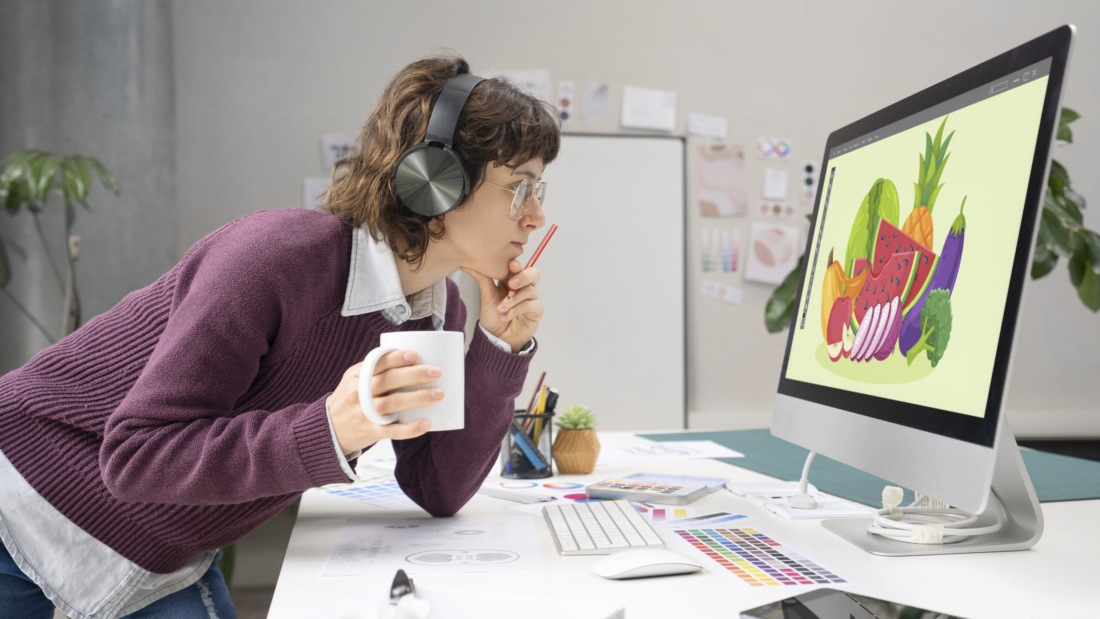
logo-designer-working-computer-desktop graphic design

Jobs in Graphic Design in India Opportunities & Growth Trend

The graphic design industry in India is experiencing rapid growth, offering a wide range of job opportunities for creative individuals. With the increasing digitalization of businesses, the demand for skilled graphic designers has surged across various sectors, including advertising, media, e-commerce, and technology.

1. Overview of the Graphic Design Industry in India

Graphic designs is more than just creating visually appealing images; it’s about communicating ideas and solving problems through design. In India, the industry has evolved significantly over the past decade. The rise of social media, digital marketing, and e-commerce has further fueled the demand for graphic design professionals. According to a report by KPMG, the Indian media and entertainment industry, a major employer of graphic designers, is expected to grow at a CAGR of 10.5% to reach INR 2.23 trillion by 2024.
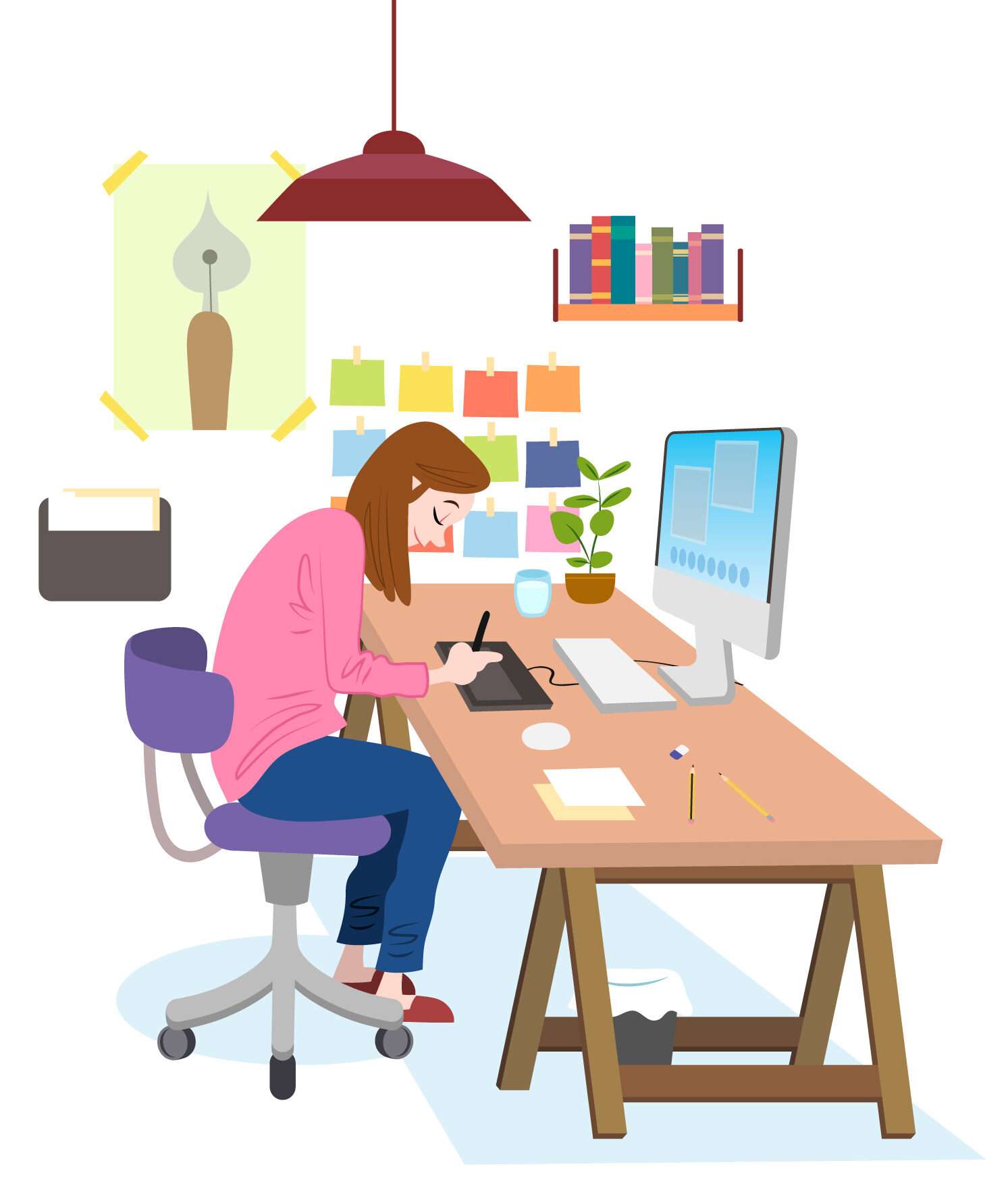
graphic design workplace

2. Key Job Roles in Graphic Design

Graphic designs offers a variety of job roles, each requiring different skills and expertise. Some of the prominent roles include:
  • Graphic Designer: Creates visual content for print and digital media.
  • UI/UX Designer: Focuses on user interface and user experience design for websites and apps.
  • Art Director: Oversees the visual aspects of marketing campaigns, publications, and media.
  • Motion Graphics Designer: Specializes in creating animated graphics for videos and multimedia.
  • Brand Identity Designer: Develops logos, brand guidelines, and visual identities for businesses.

3. Career Prospects and Salary Trends

The career prospects in graphic design are promising, with a steady demand for skilled professionals. According to Payscale, the average salary for a graphic designer in India is around INR 3,00,000 per annum, with experienced designers earning upwards of INR 7,00,000 annually. UI/UX designers and art directors tend to command higher salaries due to the specialized skills required.

4. Industry Growth and Future Trends

The graphic designs industry in India is expected to continue its upward trajectory. With the ongoing digital transformation across industries, there will be a growing need for graphic designers who can adapt to new technologies and design trends. The rise of augmented reality (AR) and virtual reality (VR) is also opening new avenues for designers to explore.

5. How to Get Started in Graphic Design

For those interested in pursuing a career in graphic design, there are various paths you can take. A formal education in design, such as a degree or diploma in graphic design, is often preferred by employers. However, self-taught designers with strong portfolios can also find success in the industry. Mastery of design software like Adobe Photoshop, Illustrator, and InDesign is essential, along with a strong understanding of design principles and trends.

Conclusion

The graphic design industry in India is brimming with opportunities for creative minds. As the industry continues to grow, so does the demand for skilled professionals. Whether you’re just starting or looking to advance your career, now is an excellent time to be in the field of graphic design.

Call to Action:

Looking to start or advance your career in graphic design? Explore the latest trends and tips on our blog and stay ahead in the ever-evolving world of design.
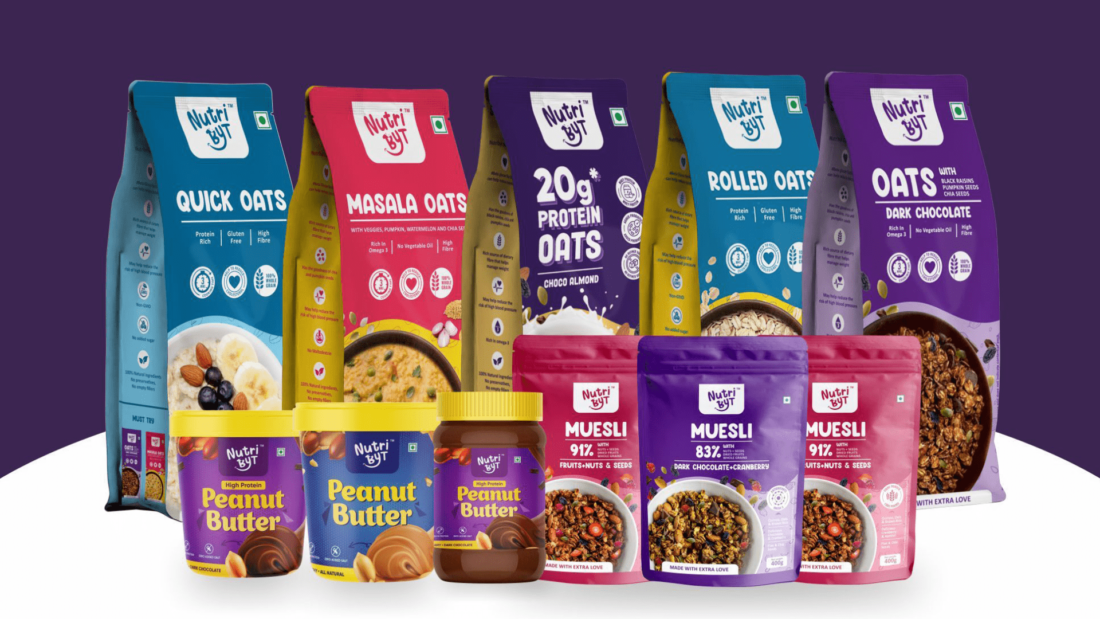
Oats, Muesli, Peanut Butter Packaging Design Nutri Byt 4

Unlock the Secret of Packaging Design: Enhance Brand Today

What is Packaging Design?

Packaging design is more than just wrapping your product in a box or bag; it’s a crucial element of your brand’s identity. The way a product is packaged can significantly impact consumer perception, purchasing decisions, and overall brand loyalty. But what exactly is packaging design, and why is it so important?


Understanding Packaging Design

Packaging design is the process of creating the exterior of a product. This includes choices in material, form, color, typography, and imagery that make a product suitable for the market. The design needs to reflect the product inside, be functional, and appeal to the target audience. It’s the first thing a consumer sees, so it must capture their attention and convey the brand message effectively.


Why is Packaging Design Important?

  1. First Impressions Matter: The packaging is often the first interaction a customer has with your product. A well-designed package can attract attention, create a memorable experience, and set the expectation for the product inside.
  2. Brand Identity and Recognition: Packaging is a vital part of your brand’s identity. It’s how consumers recognize your products among the competition. Consistent packaging design reinforces your brand’s image and helps build customer loyalty.
  3. Influences Buying Decisions: Good packaging design can influence buying decisions. It can communicate the quality and value of the product, appeal to emotions, and ultimately lead to a purchase.
  4. Communicates Essential Information: Packaging is also functional; it needs to communicate important information such as the product name, description, usage instructions, and ingredients. It should be easy to read and understand.
  5. Sustainability Matters: In today’s eco-conscious world, sustainable packaging is becoming increasingly important. Consumers are more likely to choose products with eco-friendly packaging, which can enhance your brand’s image.

Elements of Effective Packaging Design

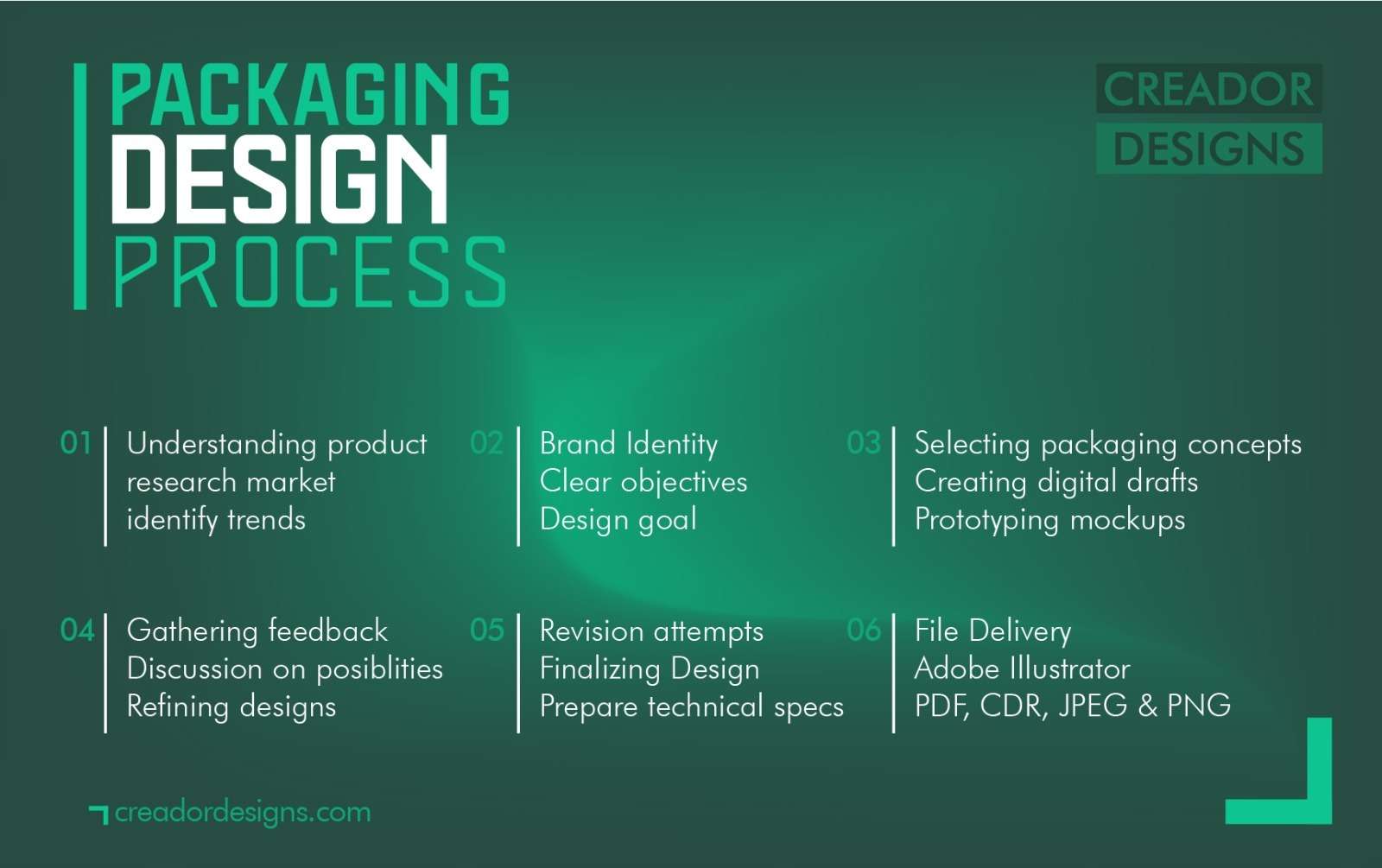
process

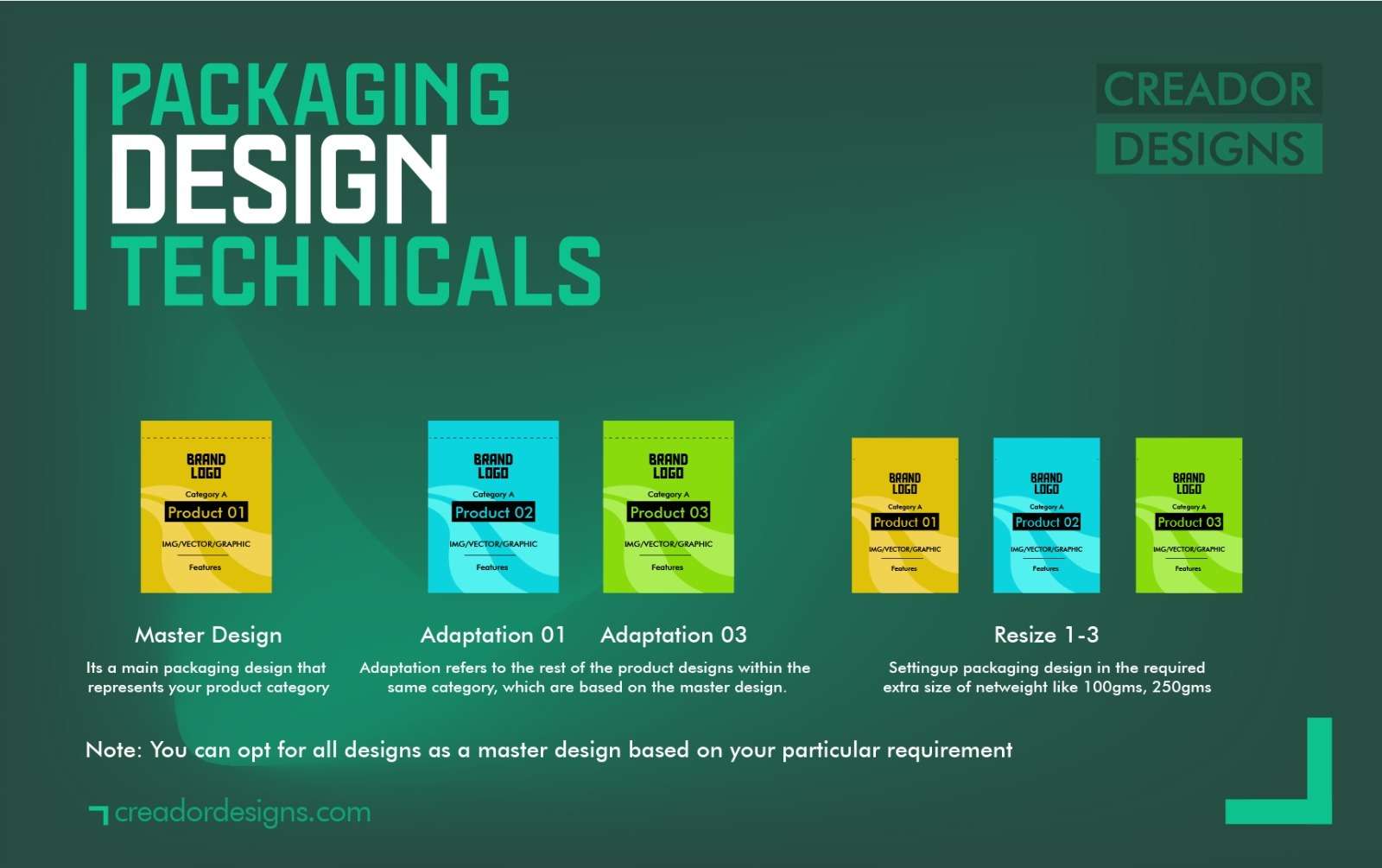
technicals

  1. Material Choice: The material used should be appropriate for the product, durable, and, if possible, eco-friendly.
  2. Visual Appeal: The design should be visually appealing, using colors, typography, and images that align with your brand.
  3. Functionality: Packaging should be functional, protecting the product during transport and making it easy to use for the consumer.
  4. Brand Consistency: Ensure that your packaging design is consistent with your brand’s overall aesthetic and message.
  5. Innovation: Stand out from the competition by incorporating innovative design elements that surprise and delight your customers.

Conclusion

Packaging design is a powerful tool in the branding arsenal. It’s not just about making a product look good; it’s about creating an experience that resonates with consumers, communicates the brand’s values, and drives purchasing decisions. Investing in good packaging design is investing in the success of your brand.
tablet-stylus-with-design-go-text-isolated-white-background-concept-as-camera-movement

The Evolution of Graphic Design: From Print to Digital Mastery

Graphic design has undergone a remarkable transformation over the centuries, evolving from simple, handcrafted illustrations to sophisticated digital artworks that shape our modern visual culture. This journey reflects broader technological advancements and shifts in cultural paradigms. In this blog, we’ll explore the key stages in the evolution of graphic design, highlighting how it has adapted to meet the demands of different eras.

The Beginnings: Print Design

Graphic design, in its earliest form, can be traced back to the invention of the printing press in the 15th century. Before this, visual communication was largely limited to hand-drawn illustrations and manuscripts. The printing press revolutionized the dissemination of information, making books, posters, and pamphlets more accessible to the masses. Designers in this era focused on typography, layout, and the use of imagery to enhance the readability and appeal of printed materials.

During the Renaissance, graphic design began to flourish as artists and printers experimented with new typefaces, layouts, and printing techniques. This period saw the rise of the poster as a powerful medium for communication, with bold, eye-catching designs used to advertise products, events, and political messages.


The 20th Century: The Rise of Modernism

The 20th century brought about significant changes in the field of graphic design. The advent of modernism introduced a new approach to design, characterized by simplicity, minimalism, and functionality. Influenced by movements such as Bauhaus, designers began to prioritize clean lines, geometric shapes, and sans-serif typefaces. This era also saw the emergence of corporate identity design, with logos and branding becoming essential elements of business communication.

The development of advertising in the 1920s and 1930s further pushed the boundaries of graphic design. Designers began to experiment with photography, photomontage, and bold color schemes to create striking visual compositions. This period laid the foundation for the commercial graphic design industry, which would continue to grow throughout the century.


The Digital Revolution

The late 20th century marked the beginning of the digital revolution, which would forever change the landscape of graphic design. The introduction of computers and graphic design software, such as Adobe Photoshop and Illustrator, allowed designers to create and manipulate images with unprecedented precision and ease. The shift from analog to digital design opened up new possibilities for creativity, enabling designers to experiment with 3D modeling, animation, and interactive media.

The rise of the internet in the 1990s further transformed graphic design. Web design emerged as a new discipline, requiring designers to consider user experience, screen resolution, and interactivity. The rapid growth of social media in the 2000s added another layer of complexity, as designers needed to create content that was not only visually appealing but also optimized for sharing and engagement across multiple platforms.


Contemporary Graphic Design: Merging Disciplines

Today, graphic design is a dynamic and multifaceted field that blends traditional design principles with cutting-edge technology. Designers are no longer confined to one medium; they work across print, digital, motion, and interactive design, often combining elements from different disciplines to create innovative and immersive experiences.

The proliferation of mobile devices and the increasing importance of responsive design have further challenged designers to think creatively about how their work is viewed and interacted with on different screens. At the same time, the growing awareness of environmental sustainability has led to a resurgence of interest in eco-friendly design practices, such as using recycled materials and minimizing waste in the production process.


The Future of Graphic Design

As we look to the future, the evolution of graphic design shows no signs of slowing down. Emerging technologies such as virtual reality (VR), augmented reality (AR), and artificial intelligence (AI) are poised to revolutionize the field once again, offering new ways for designers to engage audiences and tell stories. The integration of these technologies with traditional design principles will likely lead to the creation of even more immersive and interactive experiences.

At the same time, the importance of design thinking and human-centered design is becoming increasingly recognized across industries. As designers continue to adapt to new tools and technologies, their ability to solve complex problems and communicate ideas visually will remain at the core of their work.


Conclusion

The evolution of graphic design is a testament to the power of creativity and innovation. From the early days of print design to the digital age and beyond, graphic designers have continually pushed the boundaries of what is possible, shaping the way we see and interact with the world. As technology continues to advance, the future of graphic design promises to be as exciting and transformative as its past.