Forex trading

Unlock Profitable Indian Forex Trading with Tech and Design

Mastering Indian & Forex Trading: Tech, Design, and Digital Marketing Insights

Mastering the Indian and Forex Trading Markets

The financial trading landscape, particularly in India and the global Forex market, is evolving at lightning speed. With increasing access to technology, intuitive designs, and impactful marketing strategies, traders now have unprecedented opportunities to engage with trading markets. But navigating these opportunities successfully requires understanding how different elements—software development, graphic design, UI/UX, and digital marketing—converge to create a seamless trading experience.

Forex trading

Unprecedented Growth in the Indian Trading Ecosystem

India’s trading market has become a beacon of opportunity, driven by a tech-savvy population and cutting-edge platforms. Companies like Zerodha and Groww have transformed the way Indian traders interact with the stock and commodity markets. Their focus on simplifying complex financial concepts and providing easy access through mobile apps has democratized trading for millions. This growth is further accelerated by government initiatives like Digital India, which has expanded internet accessibility to even remote regions, pushing more retail traders into the market.

Forex Trading: Understanding the Global Impact

On the global stage, Forex trading remains one of the most lucrative yet volatile markets, with trillions of dollars traded daily. As Indian traders venture into the Forex market, they bring a fresh perspective, often aided by technological innovations that simplify currency trading. With platforms like MetaTrader and advanced trading algorithms, Forex traders can execute trades quickly, analyze market movements, and stay ahead of trends.

The Digital Revolution in Trading Markets

Technology has fundamentally changed the way people trade. Gone are the days of manual trading and slow decision-making. Today, advanced trading platforms, real-time data feeds, and algorithmic trading are leading the charge, allowing traders to capitalize on even the smallest market movements.

How Technology Transforms Modern Trading

From high-frequency trading algorithms to real-time price tracking, technology allows traders to execute orders faster than ever. Sophisticated software solutions ensure that traders stay connected to the global markets 24/7, making it possible for even individual investors to participate on a level playing field with institutional players.

The Impact of Automated Trading Systems on Market Efficiency

Automated trading systems, or “bots,” are programmed to follow pre-set conditions, removing human emotion from the trading equation. These systems can execute trades instantly based on market signals, making trading more efficient and reducing the risk of human error.

The Power of Graphic Design in Trading Platforms

In the world of trading, where speed and clarity are paramount, graphic design plays an often underappreciated role. It’s not just about aesthetics—it’s about guiding user behavior, enhancing decision-making, and creating a platform that users trust.

Designing for User Success: The Role of Graphic Design

Graphic design helps traders quickly interpret complex data, improving decision-making. Clean, intuitive interfaces with clear visual hierarchy enable users to focus on the most critical information, whether it’s stock charts, Forex movements, or real-time analytics.

How Visual Branding Establishes Trust in Financial Markets

Branding in financial platforms is crucial for user retention. A visually consistent and professional design communicates trustworthiness. In trading, where users entrust platforms with significant capital, trust is everything. A well-designed logo, a cohesive color palette, and easy navigation can foster long-term loyalty.

The Role of Cutting-Edge Software Development in Trading

Software development has revolutionized the way trading platforms function, bringing seamless execution, enhanced security, and high scalability. Trading platforms like MetaTrader, used widely in Forex, or Zerodha, a leader in the Indian market, thrive on robust backend solutions and front-end usability.

Advanced Software Solutions: A Game-Changer for Traders

Whether through the integration of real-time data or sophisticated APIs, advanced software development helps traders make quick, informed decisions. Custom solutions tailored to specific markets allow trading platforms to address unique challenges, such as regulatory requirements or the need for multilingual support.

Leveraging APIs and Integrations to Maximize Trading Potential

API integrations allow platforms to connect with various data providers, analytics tools, and even other trading platforms, enhancing the overall functionality. Traders can access third-party tools for technical analysis, news aggregation, and even social trading features, all within a single platform.

Frequently Asked Questions (FAQs)

1. How does technology impact trading in India?

Technology has simplified trading by providing real-time data, mobile accessibility, and algorithmic trading, making it easier for Indian traders to enter and succeed in the market.

2. How important is graphic design in a trading platform?

Graphic design is critical as it enhances the user experience, ensures quick interpretation of data, and fosters trust through professional branding and intuitive navigation.

3. What is the role of software development in Forex trading?

Software development powers the backend of Forex platforms, ensuring fast trade execution, high security, and integration with real-time data and analytics for better trading decisions.

4. How do UI/UX design principles apply to trading apps?

UI/UX design enhances user engagement by making trading apps intuitive, easy to navigate, and accessible, ensuring that users can trade efficiently and confidently.

5. How does digital marketing help promote trading platforms?

Digital marketing uses SEO, content marketing, and social media to attract and retain users, making trading platforms more visible in a highly competitive market.

6. How is mobile trading shaping the future?

Mobile trading apps offer flexibility and real-time access to markets, enabling traders to make informed decisions on the go, driving the future of trading.

Conclusion :

The Indian and Forex trading markets are experiencing unparalleled growth, fueled by technological advancements, cutting-edge software development, and intelligent design. Trading platforms that harness the power of graphic design, UI/UX best practices, and data-driven digital marketing are poised to dominate. The integration of these elements ensures an exceptional user experience, builds trust, and drives profitability. For traders and developers alike, understanding how these components intertwine is key to success in this ever-evolving landscape.

iphone 16 review-highresolution-display-sleek-design-highlighted-vibrant-colors-clarity

Apple iPhone 16: iOS 18 & Graphic Design Innovations

graphic design

India’s Digital Revolution: Graphic Design is Shaping Future

India is currently experiencing a massive digital transformation, where industries are rapidly adapting to technological advancements. This surge is not just limited to IT sectors but has extended its influence into creative domains, especially graphic design. As businesses and startups continue to flourish in the digital economy, the demand for unique, impactful designs has become integral for their growth.

The Rise of Graphic Design in Digital India

With over 700 million internet users, India’s online presence has skyrocketed. As businesses transition online, the importance of graphic design in defining their identity has become undeniable. A well-crafted design not only captures attention but conveys the essence of a brand. Whether it’s a visually stunning logo, an engaging social media post, or an intuitive UI/UX for a mobile app, good design plays a critical role in success.

Startups and businesses, especially e-commerce platforms, are heavily relying on graphic design to differentiate themselves in a competitive market. Platforms like Flipkart, Amazon, and Zomato are prime examples of Indian companies that have embraced creative design, enabling them to connect with their target audience on a deeper level.

Key Graphic Design Trends Influencing India’s Market

India’s graphic design landscape is evolving, with new trends and technologies shaping its future. Here are some of the most notable trends that are influencing the industry:

  • Minimalist Design: Modern Indian consumers prefer simplicity. Clean, clutter-free designs with ample white space, clear typography, and subtle color schemes are gaining traction.
  • Bold Typography: To make a strong visual impact, many designers are opting for bold, oversized fonts that dominate the design, capturing instant attention.
  • AI in Design: Artificial intelligence is gradually entering the creative field, enabling faster design processes, creating logo suggestions, or even crafting entire layouts.
  • 3D and Isometric Design: As technologies like augmented reality (AR) and virtual reality (VR) grow in India, 3D and isometric design are becoming popular for websites, apps, and marketing materials.
  • Sustainable Design: With increasing awareness about environmental issues, many Indian brands are now focusing on sustainable, eco-friendly design choices that align with their values.

The Future of Graphic Design Education in India

Graphic design education in India is also witnessing significant changes. Creador Academy, for instance, offers comprehensive courses that focus on the latest industry trends, from industrial graphic designing to advanced digital tools. As more institutions embrace modern techniques, the next generation of designers will be better equipped to meet the challenges of a fast-evolving market.

Online platforms such as Canva and Adobe Illustrator have further democratized design, allowing aspiring designers to hone their skills with minimal resources. With accessibility to advanced design tools, even small businesses and freelancers can create professional-quality designs.

Graphic Design and India’s Growing Entrepreneurial Ecosystem

India’s vibrant entrepreneurial ecosystem is also benefiting from the surge in graphic design services. As startups emerge in diverse sectors such as fintech, health tech, and digital services, their need for compelling visuals to attract investors, clients, and customers has become paramount.

Whether it’s building a website that speaks to their core values or designing packaging that resonates with eco-conscious consumers, the role of graphic design in enhancing business prospects cannot be overstated.

Conclusion:

India’s digital revolution is not only transforming technology but also sparking creativity in fields like graphic design. As brands and businesses adapt to the online world, visually compelling designs will become even more critical for creating lasting impressions. Whether it’s through social media, websites, or apps, the future of graphic design in India is bright, diverse, and filled with opportunities.

As this industry grows, creative hubs like Creador Academy are providing students and professionals the skills they need to thrive in a competitive market. By staying ahead of trends, using cutting-edge tools, and embracing innovation, India is set to become a global leader in both digital and creative industries.

logo-designer-working-computer-desktop graphic design

Jobs in Graphic Design in India Opportunities & Growth Trend

The graphic design industry in India is experiencing rapid growth, offering a wide range of job opportunities for creative individuals. With the increasing digitalization of businesses, the demand for skilled graphic designers has surged across various sectors, including advertising, media, e-commerce, and technology.

1. Overview of the Graphic Design Industry in India

Graphic designs is more than just creating visually appealing images; it’s about communicating ideas and solving problems through design. In India, the industry has evolved significantly over the past decade. The rise of social media, digital marketing, and e-commerce has further fueled the demand for graphic design professionals. According to a report by KPMG, the Indian media and entertainment industry, a major employer of graphic designers, is expected to grow at a CAGR of 10.5% to reach INR 2.23 trillion by 2024.

graphic design workplace

2. Key Job Roles in Graphic Design

Graphic designs offers a variety of job roles, each requiring different skills and expertise. Some of the prominent roles include:
  • Graphic Designer: Creates visual content for print and digital media.
  • UI/UX Designer: Focuses on user interface and user experience design for websites and apps.
  • Art Director: Oversees the visual aspects of marketing campaigns, publications, and media.
  • Motion Graphics Designer: Specializes in creating animated graphics for videos and multimedia.
  • Brand Identity Designer: Develops logos, brand guidelines, and visual identities for businesses.

3. Career Prospects and Salary Trends

The career prospects in graphic design are promising, with a steady demand for skilled professionals. According to Payscale, the average salary for a graphic designer in India is around INR 3,00,000 per annum, with experienced designers earning upwards of INR 7,00,000 annually. UI/UX designers and art directors tend to command higher salaries due to the specialized skills required.

4. Industry Growth and Future Trends

The graphic designs industry in India is expected to continue its upward trajectory. With the ongoing digital transformation across industries, there will be a growing need for graphic designers who can adapt to new technologies and design trends. The rise of augmented reality (AR) and virtual reality (VR) is also opening new avenues for designers to explore.

5. How to Get Started in Graphic Design

For those interested in pursuing a career in graphic design, there are various paths you can take. A formal education in design, such as a degree or diploma in graphic design, is often preferred by employers. However, self-taught designers with strong portfolios can also find success in the industry. Mastery of design software like Adobe Photoshop, Illustrator, and InDesign is essential, along with a strong understanding of design principles and trends.

Conclusion

The graphic design industry in India is brimming with opportunities for creative minds. As the industry continues to grow, so does the demand for skilled professionals. Whether you’re just starting or looking to advance your career, now is an excellent time to be in the field of graphic design.

Call to Action:

Looking to start or advance your career in graphic design? Explore the latest trends and tips on our blog and stay ahead in the ever-evolving world of design.
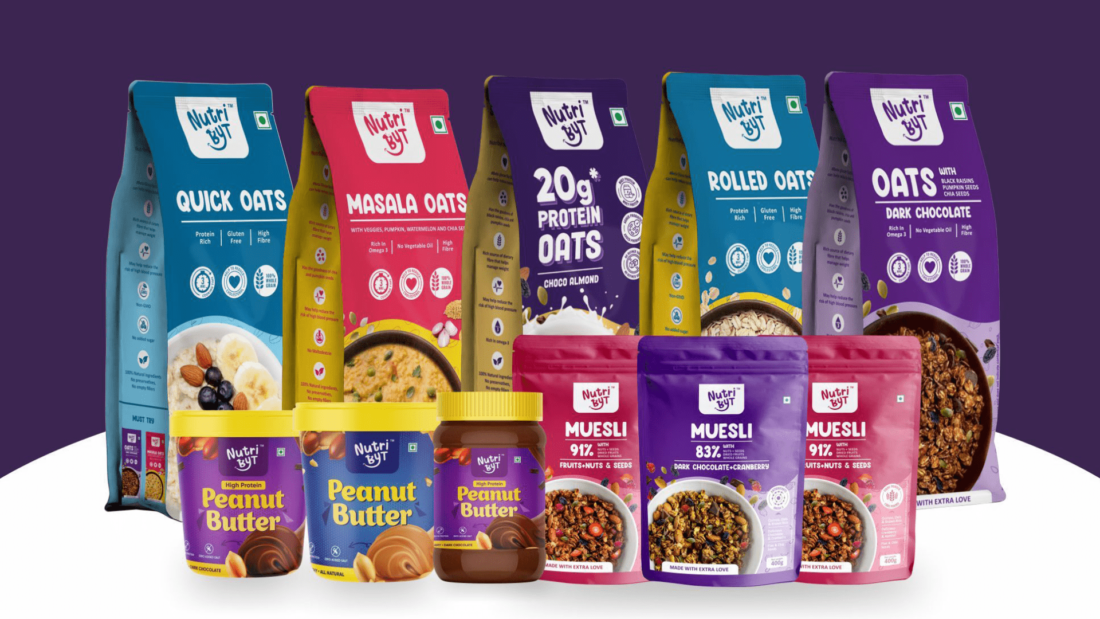
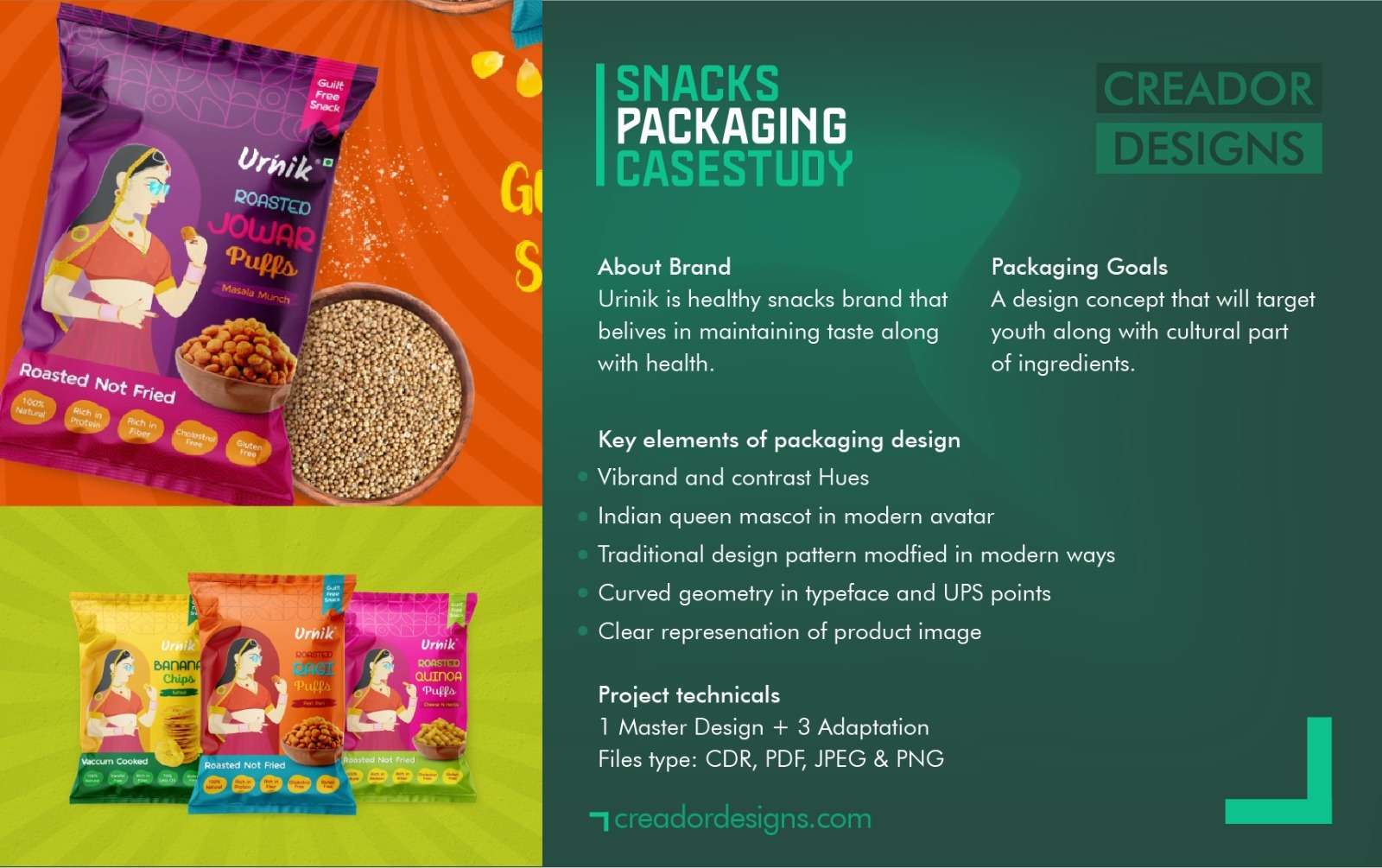
Oats, Muesli, Peanut Butter Packaging Design Nutri Byt 4

Unlock the Secret of Packaging Design: Enhance Brand Today

What is Packaging Design?

Packaging design is more than just wrapping your product in a box or bag; it’s a crucial element of your brand’s identity. The way a product is packaged can significantly impact consumer perception, purchasing decisions, and overall brand loyalty. But what exactly is packaging design, and why is it so important?


Understanding Packaging Design

Packaging design is the process of creating the exterior of a product. This includes choices in material, form, color, typography, and imagery that make a product suitable for the market. The design needs to reflect the product inside, be functional, and appeal to the target audience. It’s the first thing a consumer sees, so it must capture their attention and convey the brand message effectively.


Why is Packaging Design Important?

  1. First Impressions Matter: The packaging is often the first interaction a customer has with your product. A well-designed package can attract attention, create a memorable experience, and set the expectation for the product inside.
  2. Brand Identity and Recognition: Packaging is a vital part of your brand’s identity. It’s how consumers recognize your products among the competition. Consistent packaging design reinforces your brand’s image and helps build customer loyalty.
  3. Influences Buying Decisions: Good packaging design can influence buying decisions. It can communicate the quality and value of the product, appeal to emotions, and ultimately lead to a purchase.
  4. Communicates Essential Information: Packaging is also functional; it needs to communicate important information such as the product name, description, usage instructions, and ingredients. It should be easy to read and understand.
  5. Sustainability Matters: In today’s eco-conscious world, sustainable packaging is becoming increasingly important. Consumers are more likely to choose products with eco-friendly packaging, which can enhance your brand’s image.

Elements of Effective Packaging Design

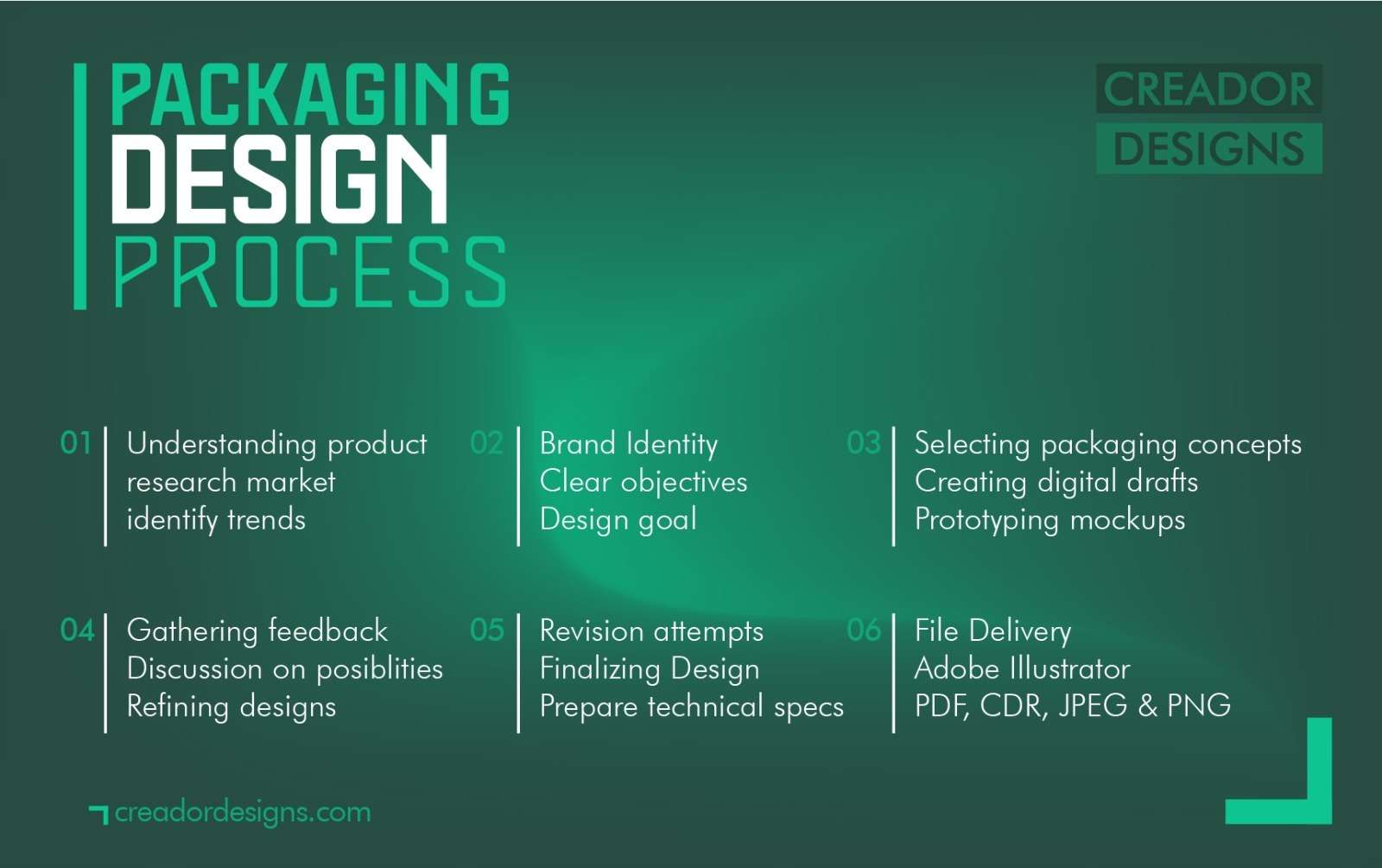
process

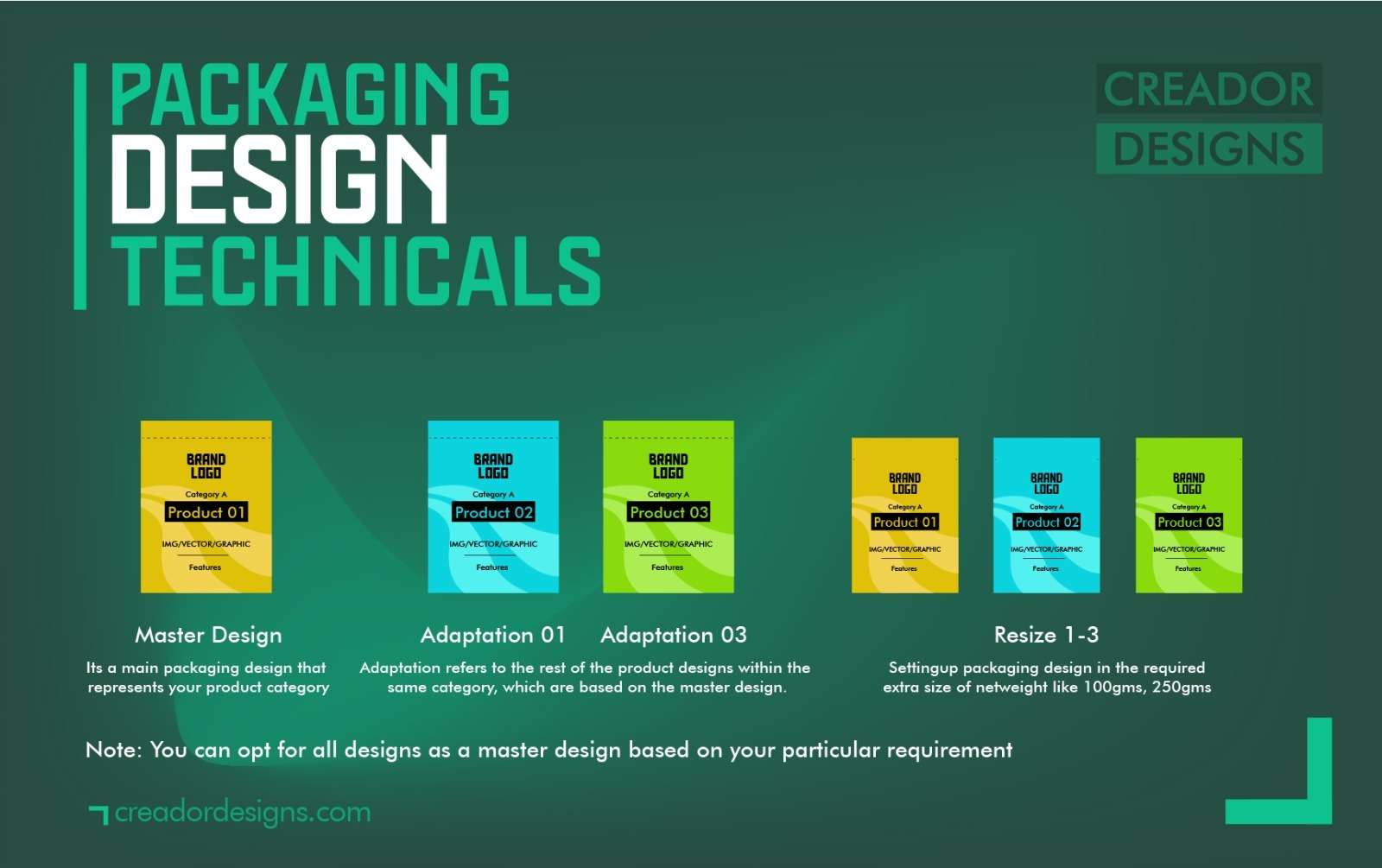
technicals

  1. Material Choice: The material used should be appropriate for the product, durable, and, if possible, eco-friendly.
  2. Visual Appeal: The design should be visually appealing, using colors, typography, and images that align with your brand.
  3. Functionality: Packaging should be functional, protecting the product during transport and making it easy to use for the consumer.
  4. Brand Consistency: Ensure that your packaging design is consistent with your brand’s overall aesthetic and message.
  5. Innovation: Stand out from the competition by incorporating innovative design elements that surprise and delight your customers.

Conclusion

Packaging design is a powerful tool in the branding arsenal. It’s not just about making a product look good; it’s about creating an experience that resonates with consumers, communicates the brand’s values, and drives purchasing decisions. Investing in good packaging design is investing in the success of your brand.
tablet-stylus-with-design-go-text-isolated-white-background-concept-as-camera-movement

The Evolution of Graphic Design: From Print to Digital Mastery

Graphic design has undergone a remarkable transformation over the centuries, evolving from simple, handcrafted illustrations to sophisticated digital artworks that shape our modern visual culture. This journey reflects broader technological advancements and shifts in cultural paradigms. In this blog, we’ll explore the key stages in the evolution of graphic design, highlighting how it has adapted to meet the demands of different eras.

The Beginnings: Print Design

Graphic design, in its earliest form, can be traced back to the invention of the printing press in the 15th century. Before this, visual communication was largely limited to hand-drawn illustrations and manuscripts. The printing press revolutionized the dissemination of information, making books, posters, and pamphlets more accessible to the masses. Designers in this era focused on typography, layout, and the use of imagery to enhance the readability and appeal of printed materials.

During the Renaissance, graphic design began to flourish as artists and printers experimented with new typefaces, layouts, and printing techniques. This period saw the rise of the poster as a powerful medium for communication, with bold, eye-catching designs used to advertise products, events, and political messages.


The 20th Century: The Rise of Modernism

The 20th century brought about significant changes in the field of graphic design. The advent of modernism introduced a new approach to design, characterized by simplicity, minimalism, and functionality. Influenced by movements such as Bauhaus, designers began to prioritize clean lines, geometric shapes, and sans-serif typefaces. This era also saw the emergence of corporate identity design, with logos and branding becoming essential elements of business communication.

The development of advertising in the 1920s and 1930s further pushed the boundaries of graphic design. Designers began to experiment with photography, photomontage, and bold color schemes to create striking visual compositions. This period laid the foundation for the commercial graphic design industry, which would continue to grow throughout the century.


The Digital Revolution

The late 20th century marked the beginning of the digital revolution, which would forever change the landscape of graphic design. The introduction of computers and graphic design software, such as Adobe Photoshop and Illustrator, allowed designers to create and manipulate images with unprecedented precision and ease. The shift from analog to digital design opened up new possibilities for creativity, enabling designers to experiment with 3D modeling, animation, and interactive media.

The rise of the internet in the 1990s further transformed graphic design. Web design emerged as a new discipline, requiring designers to consider user experience, screen resolution, and interactivity. The rapid growth of social media in the 2000s added another layer of complexity, as designers needed to create content that was not only visually appealing but also optimized for sharing and engagement across multiple platforms.


Contemporary Graphic Design: Merging Disciplines

Today, graphic design is a dynamic and multifaceted field that blends traditional design principles with cutting-edge technology. Designers are no longer confined to one medium; they work across print, digital, motion, and interactive design, often combining elements from different disciplines to create innovative and immersive experiences.

The proliferation of mobile devices and the increasing importance of responsive design have further challenged designers to think creatively about how their work is viewed and interacted with on different screens. At the same time, the growing awareness of environmental sustainability has led to a resurgence of interest in eco-friendly design practices, such as using recycled materials and minimizing waste in the production process.


The Future of Graphic Design

As we look to the future, the evolution of graphic design shows no signs of slowing down. Emerging technologies such as virtual reality (VR), augmented reality (AR), and artificial intelligence (AI) are poised to revolutionize the field once again, offering new ways for designers to engage audiences and tell stories. The integration of these technologies with traditional design principles will likely lead to the creation of even more immersive and interactive experiences.

At the same time, the importance of design thinking and human-centered design is becoming increasingly recognized across industries. As designers continue to adapt to new tools and technologies, their ability to solve complex problems and communicate ideas visually will remain at the core of their work.


Conclusion

The evolution of graphic design is a testament to the power of creativity and innovation. From the early days of print design to the digital age and beyond, graphic designers have continually pushed the boundaries of what is possible, shaping the way we see and interact with the world. As technology continues to advance, the future of graphic design promises to be as exciting and transformative as its past.

top designing softwares

Top Graphic Design Software for 2024: Best Tool for Designer

In the ever-evolving world of graphic design, having the right software can make all the difference. Whether you’re a seasoned professional or a budding designer, the tools you use can elevate your work from good to extraordinary. Here’s a look at some of the top graphic design software available in 2024, each with unique features to help you unleash your creativity.

Top Graphic Design Software: Adobe Creative Cloud

Overview:

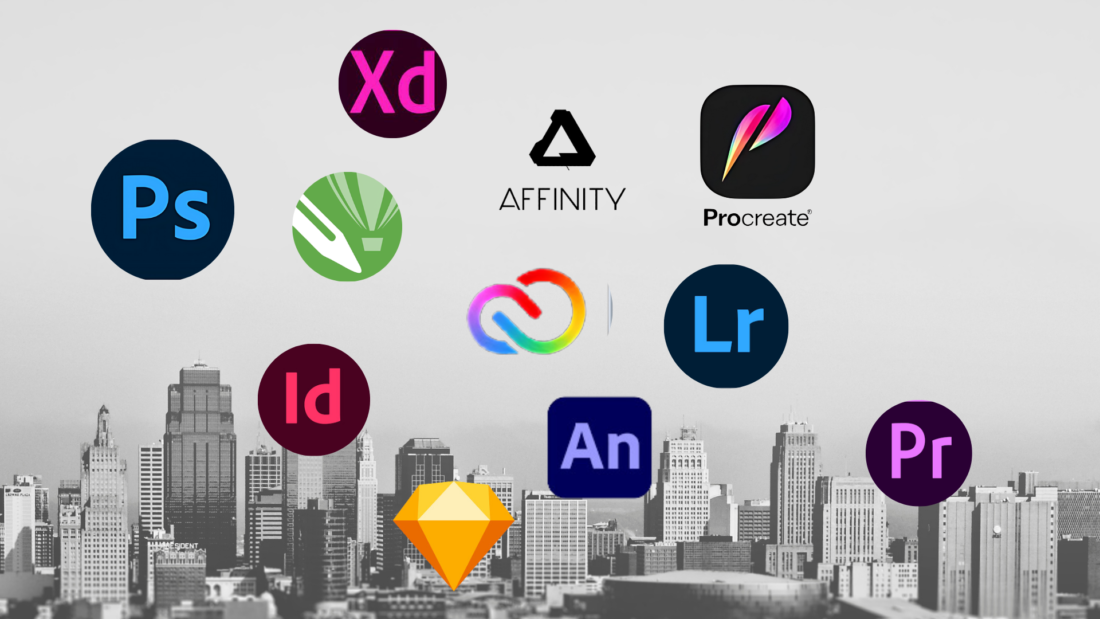
Adobe Creative Cloud remains the gold standard in the graphic design industry. With a suite of tools like Photoshop, Illustrator, and InDesign, it offers comprehensive solutions for any design project.

Features:

Photoshop:

Perfect for photo editing, digital painting, and more.

Illustrator:

Ideal for vector graphics and illustrations.

InDesign:

The go-to for layout design, especially for print and digital publications.

Pros:

Extensive toolset and features

Regular updates and new features

Wide range of tutorials and community support

Cons:

The subscription-based model can be expensive

The steep learning curve for beginners

CorelDRAW: Versatile Graphic Design Software

Overview:

CorelDRAW is known for its user-friendly interface and powerful tools. It’s a favorite among designers for vector illustration, layout, photo editing, and typography.

Features:

CorelDRAW: Comprehensive vector design and page layout.

Photo-Paint:

Advanced photo editing capabilities.

Corel Font Manager:

Efficient font exploration and management.

Pros:

One-time purchase option

Intuitive interface

Robust features for vector and raster graphics

Cons:

Less prevalent in professional settings compared to Adobe

Some advanced features can be overwhelming

Affinity Designer: Affordable Graphic Design Software

Overview:

Affinity Designer is a rising star in the graphic design world. It’s praised for its affordability and performance, making it a great alternative to Adobe Illustrator.

Features:

Real-time performance with pan and zoom at 60fps

Seamless switching between vector and raster workspaces

Comprehensive vector and pixel toolsets

Pros:

Affordable, one-time purchase

Highly efficient and fast

Professional-grade tools

Cons:

Smaller user community

Fewer tutorials and resources

Sketch: Graphic Design Software for UI/UX

Overview:

Sketch has carved out a niche in the UI/UX design space. It’s tailored for creating user interfaces and prototypes, making it indispensable for web and app designers.

Features:

Vector-based design for scalability

Symbols and reusable design components

Extensive plugin ecosystem

Pros:

Optimized for UI/UX design

Easy collaboration and sharing

Regular updates and enhancements

Cons:

Mac-only software

Limited photo editing capabilities

Procreate: Top Software for Digital Painting

Overview:

Procreate is a powerhouse for digital artists. Available on the iPad, it offers a natural drawing experience with a wide range of brushes and tools.

Features:

High-resolution canvases with up to 16k by 4k dimensions

Over 130 customizable brushes

Animation assist for creating animated illustrations

Pros:

Intuitive and user-friendly

Powerful tools for digital painting

Affordable and portable

Cons:

iPad exclusive

Not suited for traditional graphic design tasks

Conclusion

Choosing the right graphic design software depends on your specific needs and workflow. Adobe Creative Cloud is unmatched in its versatility and industry acceptance, while Affinity Designer offers a cost-effective alternative with professional-grade tools. CorelDRAW provides a user-friendly interface with powerful features, and Sketch is the best choice for UI/UX design. For digital painting, Procreate stands out as the preferred tool for artists.

No matter which software you choose, each offers unique features that can help bring your creative visions to life. Experiment with different tools to find the one that best suits your style and needs.

firefly

Unleash Creativity with Adobe Firefly: AI-Powered Design Revolution

In the fast-paced world of graphic design, staying ahead of the curve is crucial. Adobe has consistently been a leader in providing innovative tools for designers, and their latest offering, Adobe Firefly, is no exception. Powered by cutting-edge artificial intelligence (AI), Adobe Firefly: AI-Powered Design Revolution is set to revolutionize the way we approach graphic design. In this blog post, we’ll explore how this powerful tool can help you unleash your creativity and take your design projects to new heights.

What is Adobe Firefly?

adobe firefly

Adobe Firefly is a state-of-the-art graphic design tool that leverages AI to enhance and streamline the creative process. Whether you’re a seasoned designer or just starting, Firefly offers a suite of features designed to make your work more efficient, intuitive, and, most importantly, creative. From generating design ideas to automating repetitive tasks, Firefly is your new best friend in the design world.

Key Features of Adobe Firefly: AI-Powered Design Revolution

AI-Powered Design Suggestions

One of the standout features of Adobe Firefly is its ability to provide AI-powered design suggestions. By analyzing your existing work and understanding your design preferences, Firefly can offer tailored suggestions that align with your style. This feature is perfect for overcoming creative blocks and finding inspiration quickly.

Automated Layouts and Templates

Creating layouts and templates from scratch can be time-consuming. With Firefly, you can generate professional-quality layouts and templates in seconds. The AI engine can adapt these templates to fit your specific needs, ensuring that your designs are always unique and visually appealing.

Intelligent Image Editing

Firefly’s intelligent image editing capabilities allow you to make precise adjustments with ease. From color correction to background removal, the AI-driven tools in Firefly simplify complex editing tasks, giving you more time to focus on the creative aspects of your project.

Seamless Integration with Adobe Creative Cloud

As part of the Adobe ecosystem, Firefly seamlessly integrates with other Creative Cloud applications like Photoshop, Illustrator, and InDesign. This integration ensures a smooth workflow, enabling you to easily transfer your Firefly creations into other Adobe programs for further refinement.

How Adobe Firefly Enhances Creativity

Breaking Down Creative Barriers

Creative blocks are a common challenge for designers. Adobe Firefly helps break down these barriers by providing instant inspiration and design suggestions. The AI-driven insights can spark new ideas and lead to innovative design solutions that you might not have considered otherwise.

Saving Time on Routine Tasks

By automating repetitive tasks, Firefly frees up valuable time that you can dedicate to exploring new creative avenues. Whether it’s generating layouts, editing images, or organizing assets, Firefly handles the mundane tasks so you can focus on what you do best – creating stunning designs.

Enhancing Collaboration

Firefly’s collaborative features make it easier to work with teams and clients. Share your designs effortlessly and receive real-time feedback, all within the Firefly platform. This streamlined collaboration process ensures that everyone is on the same page and that your projects progress smoothly.

Real-World Applications of Adobe Firefly

Graphic Design Agencies

For graphic design agencies, Adobe Firefly offers a competitive edge by increasing efficiency and creativity. With its AI-powered tools, agencies can deliver high-quality designs faster, meeting tight deadlines without compromising on creativity.

Freelance Designers

Freelance designers can benefit from Firefly’s user-friendly interface and powerful features. The AI suggestions and automated tasks make it easier to manage multiple projects simultaneously, allowing freelancers to take on more clients and grow their business.

Marketing Teams

Marketing teams can leverage Firefly to create eye-catching visuals for campaigns. The tool’s integration with Adobe Creative Cloud ensures that marketing materials are consistent with brand guidelines, helping to maintain a cohesive brand image across all channels.

Conclusion

Adobe Firefly is more than just a graphic design tool; it’s a game-changer for the creative industry. By harnessing the power of AI, Firefly enhances your creativity, streamlines your workflow, and opens up new possibilities for design innovation. Whether you’re an agency, a freelancer, or part of a marketing team, Adobe Firefly is the key to unlocking your full creative potential. Embrace the AI-powered graphic design revolution and see how Firefly can transform your design projects today.